Fertility treatments · Avida

In Vitro Fertilization (IVF) in CDMX

In Vitro Fertilization (IVF) is the most effective high-complexity assisted reproductive technology. It involves uniting the egg and sperm in our high-tech laboratory to create embryos, which are then transferred to the uterus.

At Avida Fertility, we focus on embryo quality: we culture embryos to the blastocyst stage, where they have shown greater potential for implantation and pregnancy by allowing us to select those with the best development and viability. This helps us maximize your chances of success, reducing, when possible, the need to transfer multiple embryos.

If you've been trying for months and feel you need a clear plan and a team to support you closely, we are here to help you understand your options and make the best decision for your situation.

  • In-house IVF laboratory
  • Blastocyst culture
  • Egg retrieval under sedation
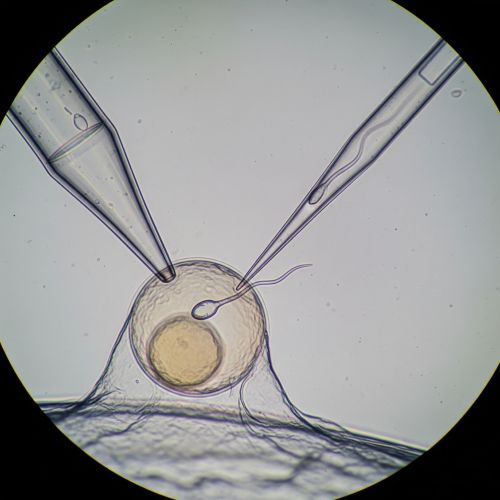
ICSI microinjection in the Avida Fertility IVF laboratory

Indications

When is In Vitro Fertilization Recommended?

In Vitro Fertilization (IVF) is typically recommended when, due to the medical characteristics of the couple or the individual wishing to conceive, simpler alternatives (such as artificial insemination) have a low probability of success. This section helps you determine if your situation fits the scenarios where IVF is often the best, or even the only, option.

Blocked or Damaged Fallopian Tubes

If one or both Fallopian Tubes are blocked, severely damaged by previous infections, surgeries, or adhesions, the egg and sperm will have difficulty meeting naturally. In these cases, IVF bypasses the fallopian tubes because fertilization occurs directly in the laboratory, and then the embryo is placed in the uterus.

Ask about my case
Severe Male Factor (low sperm count/quality)

When a sperm analysis shows a very low sperm count, poor motility, or significant abnormalities in shape, the probability of spontaneous pregnancy or pregnancy with insemination is limited. Here, IVF combined with techniques like ICSI (injecting a sperm into an egg) allows us to utilize even highly compromised samples and offer a real option for achieving embryos.

Ask about my case

Moderate or Severe Endometriosis

Endometriosis in moderate or severe stages can affect egg quality, pelvic anatomy, and the uterine environment, making implantation difficult. After an individual assessment, many patients with this diagnosis benefit more from proceeding directly to IVF, where we can stimulate the ovaries, obtain several eggs in one cycle, and select embryos with the best potential.

Ask about my case

Advanced Maternal Age (>38 years) or Low Ovarian Reserve

From age 38 onwards, egg quantity and quality decline rapidly, directly impacting pregnancy chances. The same applies when, even in younger women, low ovarian reserve is detected in tests like the anti-Müllerian hormone test or antral follicle count. In these situations, IVF allows for optimizing each cycle, obtaining the highest possible number of eggs, and focusing efforts on embryos with the best prognosis.

Ask about my case

Previous Artificial Insemination Failures

If you have already undergone several well-indicated artificial insemination cycles and still haven't achieved pregnancy, it's likely time to consider a change in strategy. IVF offers significantly higher success rates per attempt, especially when several factors are combined (age, sperm quality, time trying to conceive), and allows for a more detailed study of your ovarian response and embryo development.

Ask about my case
Not sure yet?

We review your case first

During your initial consultation at Avida Fertility, we review your medical history and tests to help you choose the treatment that offers the best combination of success probability and care for your body and time.

Book an appointment

Step by step

What does the IVF process involve? Step by step

When you hear "in vitro pregnancy," it's easy to picture something very complex. In reality, the In Vitro Fertilization (IVF) process follows a fairly clear path. Understanding each stage helps reduce the fear of the unknown and lets you feel in control of what's happening with your body.

  1. 01

    Ovarian stimulation

    10–12 days

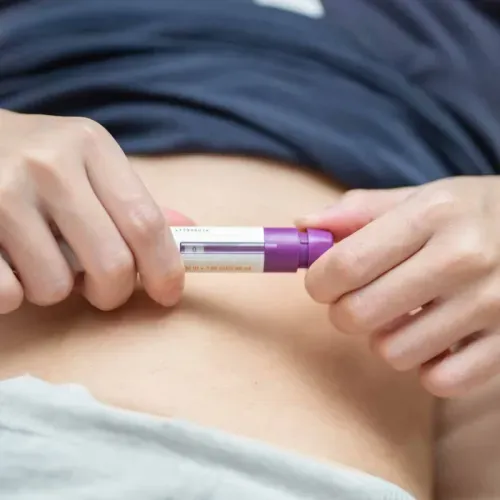
    Ovarian stimulation usually lasts 10 to 12 days. During this time, we administer medication (typically subcutaneous injections) so that, instead of maturing just one egg as in a natural cycle, multiple eggs can mature at the same time.

    We see you for follow-up appointments and serial ultrasounds to adjust the dosage and safeguard your wellbeing. The goal is to find the right balance: retrieving enough high-quality eggs without overstimulating your ovaries.

  2. 02

    Egg retrieval under sedation

    ≈ 20 min

    The egg retrieval is a short procedure (around 20 minutes) performed in an operating room, guided by ultrasound and under sedation, making it completely painless during the extraction.

    Through a fine needle, the fluid from the follicles containing the eggs is aspirated. Afterward, you rest briefly in recovery, and you can go home that same day with clear instructions and close follow-up from our team.

  3. 03

    Fertilization in the laboratory

    Same day

    In our high-tech laboratory, the embryology team receives your eggs and sperm sample. Here, in vitro fertilization can be done “conventionally” (eggs and sperm are placed together in a dish), or through IVF with ICSI, where we select a sperm and inject it directly into the egg when the male factor is more complex or we want to ensure fertilization.

  4. 04

    Embryo culture to blastocyst

    3–5 days

    After fertilization, embryos are kept in embryo culture, usually for 3 to 5 days, while the lab team monitors their development. Our goal is to reach the blastocyst, when the embryo has already demonstrated good division capacity and has a higher implantation potential. At this stage, we can assess the number of viable embryos and their morphological quality (how they look and how they divide).

    If indicated in your case, genetic testing like PGT-A can be integrated to analyze chromosomal health before transfer.

  5. 05

    Embryo transfer: the embryo comes home

    No anesthesia

    The embryo transfer is a quick, painless, and anesthetic-free procedure. We place the selected embryo into a very thin catheter, which is then guided through the cervix to carefully deposit it inside the uterus. Many patients describe it as a sensation similar to a Pap smear, but with much more emotional weight: it's the moment when “the embryo comes home.” Afterward, you can resume your usual activities with some gentle care recommendations.

  6. 06

    Pregnancy test and follow-up

    10–12 days

    Between 10 and 12 days after the transfer, we perform the blood pregnancy test (beta hCG). This period feels like an eternity for many, which is why we support you with clear instructions on medication, expected symptoms, and warning signs.

    Whatever the outcome, you are not alone. If the test is positive, we continue with follow-up appointments to confirm the pregnancy is progressing well. If this attempt is unsuccessful, we review the entire cycle and the embryos obtained, and if there are vitrified embryos remaining, we define the next steps together.

Personalized investment

How Much Does In Vitro Fertilization Cost in Mexico?

When you search "in vitro fertilization cost" online, it's easy to come across different ranges and packages that promise to include everything… until hidden fees appear. The reality is that there is no single price, because every body is different. Rather than fixating on a number, what really matters is understanding what you're paying for and what factors actually drive the cost of IVF in Mexico.

Why Does the Cost Vary So Much?

At Avida, we prefer to talk about personalized investment, not fixed packages. A generic quote can hide significant costs. The main variables that influence the price are:

Ovarian stimulation medication
Variable 1

Ovarian Stimulation Medication

The dosage and type of medication vary based on ovarian reserve, age, and weight; a low reserve may require more intensive protocols.

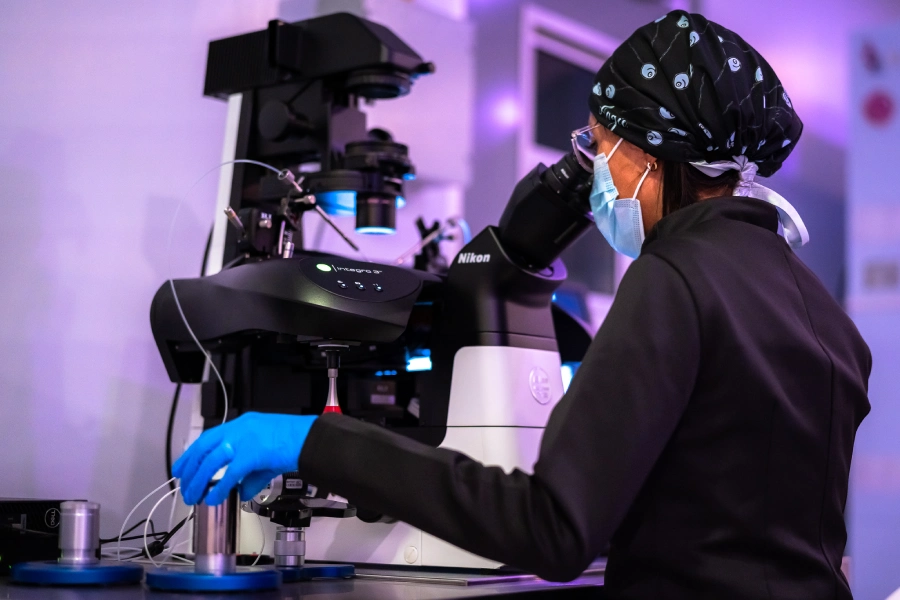
Embryology laboratory at Avida Fertility
Variable 2

Laboratory Technique: Conventional IVF or IVF with ICSI

It's not the same to allow sperm to fertilize an egg in a petri dish as it is to perform IVF with ICSI, where a single sperm is injected directly into the egg to overcome complex male factor infertility.

Embryo genetic testing laboratory
Only if indicated

Reproductive Genetics (PGT-A)

In certain cases, PGT-A is added, a test that analyzes the embryo's chromosomes before transfer and increases the cycle cost.

IVF vs. Insemination: Investment and Probabilities

It's also important to put the cost into context. For women under 35, intrauterine insemination offers a 10–20% chance of pregnancy per cycle (ESHRE, 2024), while IVF with one's own eggs reaches a 49.7% live birth rate per cycle (CDC, 2022). The two figures measure different outcomes (pregnancy vs. live birth), but the difference in effectiveness is clear, and it narrows with age.

Therefore, when deciding between continuing with multiple insemination cycles or investing in an IVF cycle, we don't just look at the price per cycle, but rather the cost per probability of pregnancy and the time you're willing to keep trying.

A clear, transparent quote

During your IVF consultation at Avida Fertility, we review your tests and priorities to provide you with a clear, transparent quote and guide you toward the treatment that makes the most sense for you.

IVF cost in Mexico: 2026 ranges by component

Comparison

Advantages of IVF vs. Other Treatments

When you're deciding between In Vitro Fertilization (IVF) and other fertility treatments, such as artificial insemination, it's natural to wonder if taking “the next step” is truly worth it. A clear way to look at it is to compare success rates, complexity, and for which type of patient each option is designed.

Clinical comparison between In Vitro Fertilization (IVF) and Intrauterine Insemination (IUI). The rates measure different outcomes (live birth vs. pregnancy); see every figure with its source on our success rates page.
FeatureIn Vitro Fertilization (IVF)Intrauterine Insemination (IUI)
Type of procedureFertilization of the egg in the laboratory; the embryo is then transferred to the uterus.Placement of prepared sperm inside the uterus during ovulation.
Success rate per cycle (women <35)49.7%live birth per cycle with own eggs; it decreases with age (CDC, 2022).10–20%pregnancy per cycle; under 5% after 40 (ESHRE, 2024).
Treatment complexityHigher complexity: ovarian stimulation, egg retrieval, embryo laboratory, transfer.Lower complexity: simple medication (sometimes) and quick outpatient procedure.
Typical indicationHigh-complexity infertility: damaged fallopian tubes, severe male factor, advanced age, previous failures.Mild cases or as a first therapeutic step when conditions are favorable.
Possibility of PGT-AYes. Allows adding PGT-A to analyze the embryo's chromosomes and improve selection, especially in older women.No. Does not allow genetic testing of the embryo because fertilization occurs inside the body.
Management of surplus embryosYes. Good quality embryos can be vitrified (frozen) for future attempts with success rates comparable to fresh cycles.No. Does not generate embryos to freeze; each insemination cycle starts from scratch.

Beyond the numbers, the main advantage of IVF is that it combines several tools in a single cycle to increase your chances: obtaining multiple eggs, selecting the best embryos, adding IVF with ICSI when male factor infertility is complex, and, if indicated, integrating PGT-A to reduce the risk of transferring embryos with chromosomal abnormalities.

IVF or insemination?

If you're weighing fertility treatments, during your initial consultation at Avida Fertility, we review your medical history to help you choose the treatment that offers the best combination of success probability and care for your body and time.

Inclusive care

IVF for All Family Models

In Vitro Fertilization (IVF) is not just for a “traditional couple.” Today, it's the technical foundation that allows diverse individuals and family structures in Mexico to pursue their parenthood journey with confidence and specialized support. At Avida Fertility, we work with an inclusive, respectful, and prejudice-free approach: your family model is welcome here. Based on IVF, we can adapt the treatment to different realities:

Female Couples and the ROPA Method

For female couples, IVF makes the ROPA method possible, where one partner provides the eggs to be fertilized and the other carries the pregnancy. This way, both actively participate: one as the genetic mother and the other as the gestational mother, sharing the experience of motherhood.

Egg Donation and Low Ovarian Reserve

When ovarian reserve is very low or there is a genetic problem preventing the use of one's own eggs, IVF with donated eggs (egg donation) may be considered. In this case, eggs from a donor are fertilized in the laboratory, and the embryo is then transferred to the recipient's uterus. This option is particularly useful for women with premature menopause, very advanced maternal age, or several previous failed attempts.

Single Parents by Choice

IVF also opens the way for women and men who decide to become parents on their own. Depending on each case, treatment can use donor sperm or donor eggs, with the same medical support at every step. Learn more about becoming a single mother by choice or a single father by choice.

Transgender Fertility

For transgender individuals, IVF allows for treatment planning that considers both gender identity and the effects of hormone therapies. In these cases, it is common to integrate fertility preservation strategies and close coordination with the medical team.

Medical team

Meet Your Assisted Reproduction Specialists

Your IVF cycle is planned and supervised by obstetrician-gynecologists specialized in human reproductive biology, together with the team of our in-house embryology and andrology laboratory. The specialist who assesses your case follows every step of your cycle.

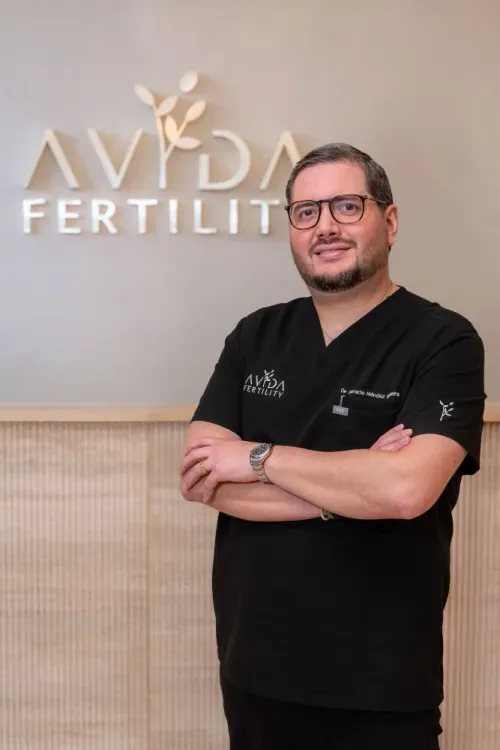
Dr. Horacio Méndez Filgueira

Dr. Horacio Méndez Filgueira

Co-founder and CEO

Surgeon with an MBA and extensive experience in healthcare project management.

SEP professional license 10096838

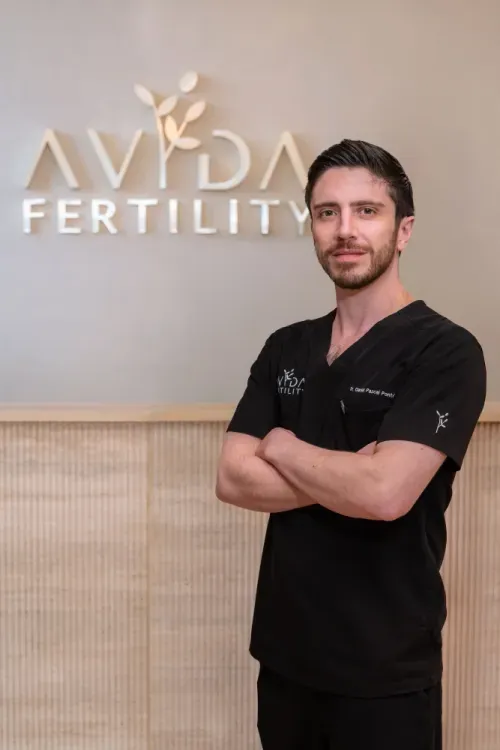
Dr. Daniel Pascal Pontón

Dr. Daniel Pascal Pontón

Co-founder and Co-Medical Director

Obstetrician-gynecologist and specialist in human reproductive biology.

SEP specialty license 13928465

M.A. Angie Díaz Acacio

M.A. Angie Díaz Acacio

Laboratory Director

Biologist specializing in clinical embryology and andrology.

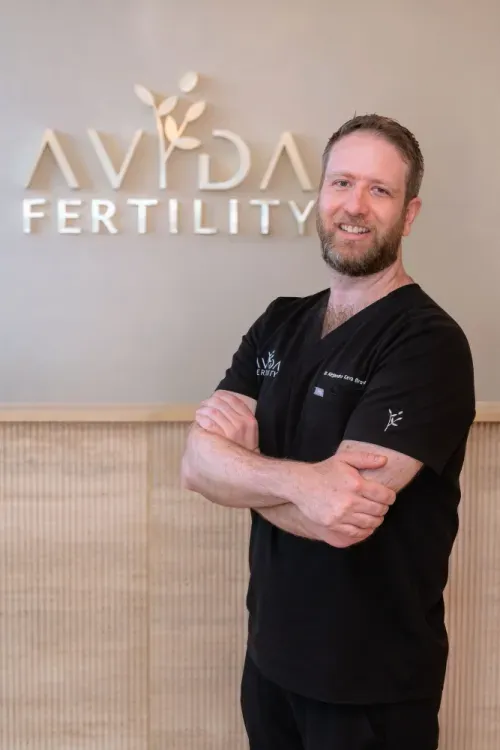
Dr. Alejandro Kava Braverman

Dr. Alejandro Kava Braverman

Co-founder and Co-Medical Director

Obstetrician-gynecologist and specialist in human reproductive biology.

SEP specialty license 09262416

Avida Fertility · Interlomas, Huixquilucan

Our Clinic and Laboratory in CDMX

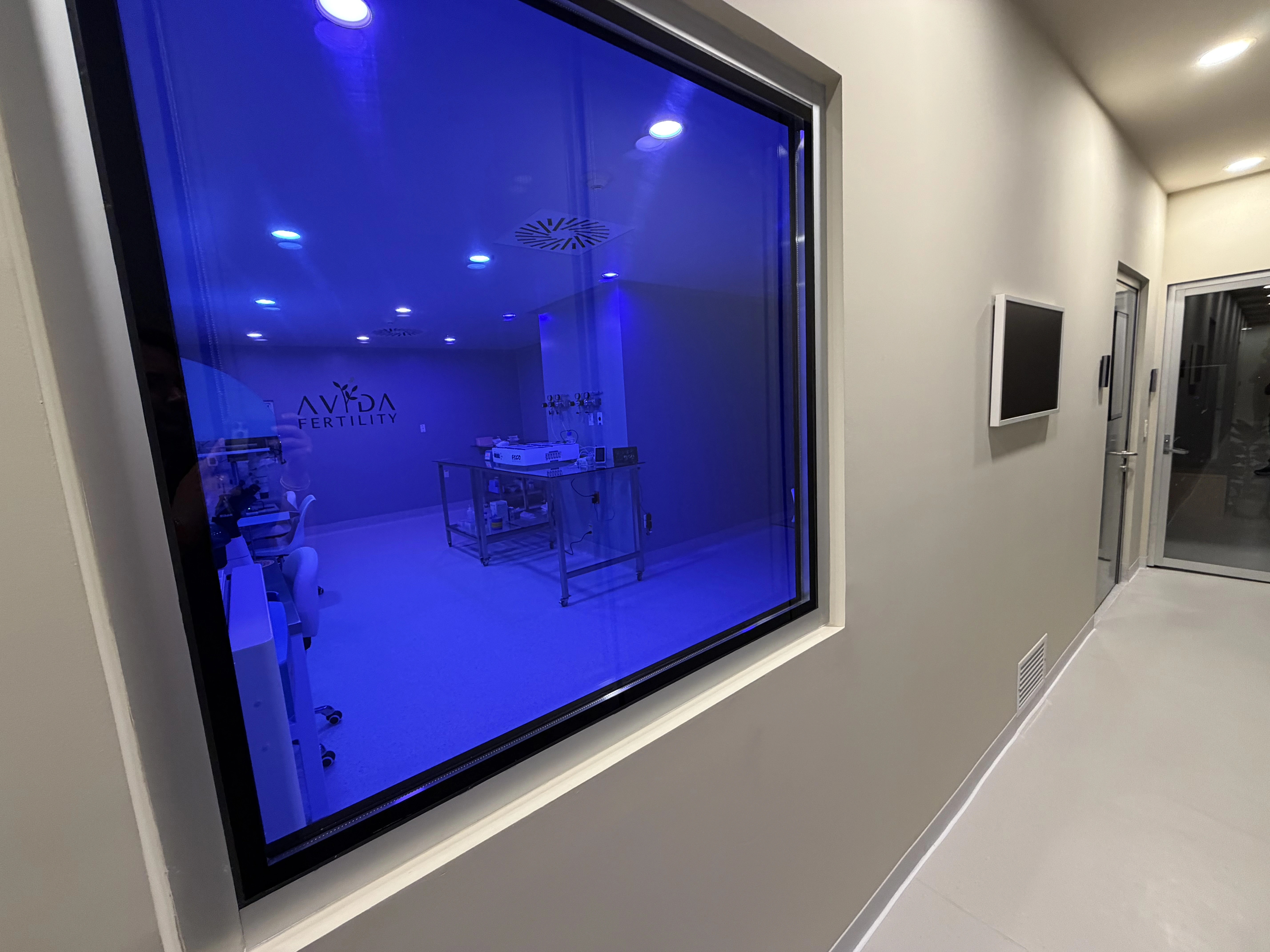
At Avida, we have a fertility clinic in CDMX with its own high-complexity laboratory in the metropolitan area of Huixquilucan: a safe, modern space equipped with world-class technology. Because we don't depend on third parties, every step of your diagnosis and treatment meets the strictest international standards in reproductive medicine.

  • In-house laboratoryHigh complexity
  • COFEPRIS permit253300201A1949
  • Fertility specialistsReproductive biology
  • Interlomas, HuixquilucanMexico City metro area

At our clinic you'll find

Advanced in-house laboratory

The heart of Avida. Because we have our own laboratory, we don't outsource your dream. Here we process everything from your fertility tests to embryo culture, keeping precise control of the environment and the traceability of every sample.

Private and comfortable sample collection rooms

We understand that this step can feel vulnerable and stressful (especially during the male fertility test). Our rooms are fully discreet and comfortable to reduce anxiety and protect your privacy.

Modern consultation rooms and waiting areas

From warm consultation rooms to modern waiting areas, in an easily accessible area of CDMX/Huixquilucan, so you can arrive without hassle and focus on what really matters: your path to parenthood.

Avida testimonials

Our patients

Hear from our happy families who found hope, strength and success on their fertility journey with us.

Avida Fertility patient
“After 4 years trying for our 4th baby, with Dr. Alex we achieved pregnancy through IVF. I always felt supported. Trust the treatment!”
Anonymous · Mexico★★★★★
Adela's testimonialWatch video
“After ectopic pregnancy I couldn't get pregnant. Dr. Alex helped with treatment to ovulate and through insemination I succeeded.”
Adela · Mexico★★★★★
Daniela's testimonialWatch video
“I'm Marina's mom thanks to Dr. Daniel and his team. It's not easy, but hurts less when you feel supported. What matters is the love.”
Daniela · Mexico★★★★★
Avida Fertility patient
“You're in the best hands. It was hard to let go, but when you trust the treatment, it happens. Trust it!”
Anonymous · Mexico★★★★★

The next step

Your first step is an initial consultation

During your IVF consultation at Avida Fertility, we review your tests and priorities to provide you with a clear, transparent quote and guide you toward the treatment that makes the most sense for you.

An advisor will contact you during business hours

FAQ

Frequently Asked Questions about In Vitro Fertilization (IVF)

Can't find your question?

Message us and an advisor will answer.

What is the success rate of IVF on the first attempt?

According to CDC data (2022), the live birth rate per IVF cycle with one's own eggs is 49.7% in women under 35, 36.3% between 35 and 37, 23.1% between 38 and 40, and 7.7% over 40. These are reference figures, not Avida Fertility's own rates: results depend on age, diagnosis and each case, and your specialist will give you a personalized estimate after reviewing your tests. See all figures on our success rates page.

What is the age limit for In Vitro Fertilization (IVF)?

Egg quality significantly decreases after age 40–42, which significantly lowers the chance of pregnancy with one's own eggs. In many cases, egg donation is considered from that age onwards, which can offer real pregnancy options up to approximately age 50, depending on the individual case.

Does in vitro fertilization (IVF) hurt?

No. The most "invasive" part is the follicular puncture (egg retrieval), which is performed in an operating room, guided by ultrasound and under sedation, so you shouldn't feel any pain during the procedure. Embryo transfer is quick, done without anesthesia, and many patients describe it as discomfort similar to a Pap smear.

How long does the entire IVF process take?

A complete IVF cycle usually takes between 3 and 4 weeks: around 10–12 days of ovarian stimulation, the day of egg retrieval, 3 to 5 days of embryo culture until the blastocyst stage, and finally, the transfer and a blood pregnancy test about 10–12 days later.

Can I choose the baby's sex with IVF?

The genetic study of embryos (PGT-A) allows us to determine, among other information, the chromosomal sex before transfer. In some regulatory contexts, this can be used to select embryos of a specific sex; it is always evaluated on a case-by-case basis, respecting the current legal framework and ethical principles.

What is the difference between conventional IVF and ICSI?

In conventional IVF, eggs and sperm are placed in the same dish, and fertilization occurs "spontaneously" in the laboratory. In IVF with ICSI, however, the embryologist selects a single sperm and directly injects it into the egg. This approach is beneficial when the male factor is more complex or when we want to ensure fertilization.

Is it possible to have twins with IVF?

Yes, it is possible if two embryos are transferred in the same cycle, which increases the risk of multiple pregnancies. At Avida Fertility, we typically prioritize Single Embryo Transfer, especially when we have good quality blastocysts, as it reduces complications and maintains excellent chances of achieving a healthy pregnancy.

Are there financing plans for IVF in CDMX?

Many patients need to plan their financial investment over time. At Avida Fertility in CDMX, we can guide you on financing options and agreements with financial institutions to make IVF treatment payments more flexible, always with transparent budgets and no hidden costs. We will review this with you during your consultation.

What happens to the leftover embryos?

When, after IVF, we obtain several good quality embryos and decide to transfer only one or two, the remaining embryos can be vitrified (frozen) for future attempts. This allows for new transfer cycles without repeating the entire ovarian stimulation and egg retrieval process, and also offers the possibility of trying for another child later on.

What happens if I don't get pregnant on the first try?

If a first attempt isn't successful, it doesn't mean that treatment "won't work for you." We review the entire cycle: ovarian response, egg and embryo quality, transfer, and supportive medication. If vitrified embryos are available, we can plan a new transfer; it's also possible to adjust the protocol to optimize the chances for the next attempt.

Reviewed by the Avida Fertility Medical Board: Dr. Daniel Pascal Pontón, Dr. Alejandro Kava Braverman and Dr. Horacio Méndez Filgueira. Last reviewed: November 1, 2025.
Medical disclaimer: This content is for informational and educational purposes only. It does not replace a personalized medical consultation. The probabilities mentioned are references that depend on age, diagnosis and each individual case.

Leave us a message.

Thank you! Your submission has been received!
Oops! Something went wrong while submitting the form.