

Anti-Müllerian Hormone (AMH) Test in CDMX: Know Your Ovarian Reserve
Now, it's important to know that for fertility specialists, this hormone is only a guide, not a definitive answer. In other words, having a certain level of anti-Müllerian hormone does not guarantee you will achieve a pregnancy, nor does it mean you cannot get pregnant if the level is low. It's just one part of the picture.
At Avida Fertility, we work with science, empathy, and transparency to help you move from data to informed action, without hasty conclusions or false promises.
Key facts you should know about your ovarian reserve and AMH

Understanding your test results is much simpler when you know the full context of how your body works. Here, we explain five fundamental aspects we consider when evaluating your profile, so you have the best information before taking the next step.
AMH measures the quantity, not the quality, of your eggs


The anti-Müllerian hormone test indicates the approximate volume of eggs you have, but it does not assess if they are genetically healthy. Egg quality is primarily determined by your chronological age. If you are 30 years old with a low reserve, your eggs still have the expected quality for a 30-year-old woman. This means that the statistical probabilities of achieving a healthy pregnancy are still in your favor if we act with a clear plan.
Contraceptives can slightly alter the result
Prolonged use of birth control pills can temporarily suppress your anti-Müllerian hormone levels. This happens because the ovaries are in a state of rest induced by the medication. If you are taking contraceptives, you do not need to stop them to take the test. Our medical team will simply take this factor into account when interpreting your results.
Is it possible to increase anti-Müllerian hormone levels?
Clinically, it's not possible to increase the number of eggs or genuinely raise anti-Müllerian hormone levels. Every woman is born with a finite number of follicles that naturally decreases over time. While we cannot create new eggs, we can work together to optimize your overall reproductive health. Focusing on making the most of your current reserve through medical treatments is the most effective path.
A very high AMH can indicate polycystic ovary syndrome (PCOS)
A significantly high AMH result is often a clinical indicator of polycystic ovary syndrome. This is because many small follicles in the ovaries are producing the hormone simultaneously. If this is your case, you might experience irregular cycles or difficulty ovulating predictably. At Avida, we help you regulate these cycles or support you with options to facilitate your pregnancy.
Age matters as much as your test result
Your AMH value should always be interpreted in conjunction with your age, never in isolation. The same reserve number means very different things for a 32-year-old patient than for a 41-year-old. We consider all factors, regardless of your family model, to design a plan that truly fits your probabilities. That's why we insist that the number alone never diagnoses infertility.
.svg)
How is the anti-Müllerian hormone test performed? The process and next steps
Easy preparation
We perform complete seminal analysis, sperm DNA fragmentation and detailed morphological evaluation. Our AI system analyzes all parameters to determine the best ICSI strategy.
Ovarian preparation and stimulation
Personalized stimulation protocol to retrieve the highest-quality eggs. Continuous monitoring with high-resolution ultrasound and hormonal analysis optimized by artificial intelligence. A quick, safe blood draw is taken, similar to any other routine lab test. It usually takes just a few minutes and won't interfere with your daily activities. The goal is to obtain an accurate measurement of circulating AMH to estimate your current ovarian reserve.
Specialized lab analysis
Once the sample is taken, it is processed in a laboratory with specific controls for hormonal studies. This technical part of the analysis ensures that the values obtained are as reliable as possible, within the reference ranges used by each instrument.
Results Delivery and Medical Interpretation
Once the results are ready, you don't just receive them as a number on a report. At Avida Fertility, we schedule a medical consultation, either in person or via video call, to interpret your AMH in a clinical context, considering your age, reproductive history, and goals.
This is where that value takes on real significance. For example:
- We could discuss the current status of your ovarian reserve and how it compares to what's expected for your age.
- Discuss whether it's advisable to wait to try for pregnancy, preserve fertility, or proceed with treatment specific.
- Evaluate whether it's necessary to add other hormonal studies or ultrasounds to get a more complete picture.
Next steps after your results
Once your results are interpreted, the next step will always be to align them with your reproductive goals. AMH alone does not predict pregnancy, but it does provide guidance on your current ovarian capacity and allows you to plan with clear information.
Depending on your results and personal goals, during your consultation we can suggest options such as:
- Attempt natural conception or with medical assistance, if clinically indicated.
- Consider egg preservation if you're not yet planning to conceive but want to protect your future fertility.
- Design an assisted reproduction plan, such as protocols for ovarian stimulation or IVF, if your reserve suggests it's the most appropriate path for your goals within your desired timeframe.
At Avida Fertility, we support the entire process, from sample collection to medical interpretation and clinical planning, with transparency, empathy, and scientific rigor. We know that every reproductive journey is unique, and our goal is for each step to be guided by solid information and well-informed decisions.
Anti-Müllerian Hormone Test Price in CDMX
If you are comparing prices for the anti-Müllerian hormone test, keep in mind that it can vary depending on what your clinical evaluation includes (consultation, interpretation, plan, and, if applicable, complementary tests).
In many clinics and laboratories, AMH determination may be offered alone as a laboratory test, or as part of a broader fertility evaluation. For example, in some diagnostic services, the individual test is priced separately, while in clinical packages, it is integrated into an evaluation with a consultation and ultrasound.
At , we prioritize transparency and personalization. Before conducting the test, we explain in detail what your evaluation includes, how much it may vary, and why. This allows you to make a decision calmly and without surprises, knowing that your reproductive journey is being guided by specialists who understand your history and your goals.
If you would like a detailed and personalized quote for your case, you can schedule a medical evaluation where we will explain each cost component and how it aligns with your reproductive plan.
What Does the Anti-Müllerian Hormone Test Involve?
At Avida Fertility, the anti-Müllerian hormone test is not just a single, isolated test. It's experienced as a complete clinical process, designed to give you clear answers and a defined plan, not just a result on paper.
The process includes an initial consultation where we listen to your story, understand your age, medical history, and reproductive goals. From there, we perform the blood sample collection, a simple and quick procedure that is sent to a specialized hormonal testing laboratory.
Once the result is ready, you won't be left alone with just a number. We schedule the delivery and interpretation of the result with a fertility specialist, who will explain what that value means in your particular case. The final step is to turn information into action, with a personalized clinical plan that can range from trying to conceive now, considering fertility preservation, or evaluating assisted reproductive treatments, always with realistic expectations and medical support.
The objective of this approach is clear: for you to leave the consultation with certainty, direction, and peace of mind, knowing your real options and what your next step is.
Anti-Müllerian Hormone (AMH) Reference Values
We measure anti-Müllerian hormone (AMH) through a blood sample to estimate your ovarian reserve and guide clinical fertility decisions. Ranges may vary slightly between laboratories and by age, which is why this table is for guidance only and should always be complemented with clinical interpretation.
Important: These values are a guide to understanding your result, but they are not a diagnosis on their own. A low AMH does not mean you cannot achieve pregnancy, nor does a high AMH guarantee that conceiving will be easy. Interpretation always considers your age, reproductive history, and other clinical tests.
Interpretation by Our Specialist
An anti-Müllerian hormone test (AMH) is more than just a number on a piece of paper. At a fertility clinic, that number translates into clinical decisions that can help you plan your reproductive journey with greater clarity and peace of mind. Here's how we approach it at Avida Fertility, with a medical, compassionate, and well-being-focused approach.
Clinic vs. Lab
A fertility clinic interprets this value within the context of your history: your age, your goals (pregnancy now, later, or preservation), your general health, and other relevant tests. This interpretation empowers you to make informed decisions, free from fear.
Normal or high reserve
An AMH level within typical or high ranges for your age indicates a healthy ovarian reserve, suggesting a robust number of developing follicles and a potentially good response to ovarian stimulation if needed. Clinically, a normal or high result, especially if you're not trying to conceive right now, might be the ideal time to consider egg freezing, offering flexibility to calmly plan your reproductive future.
Low Ovarian Reserve
I understand what might come to mind when hearing these words; many people feel concerned. But low ovarian reserve is not the same as infertility. It means there are fewer growing follicles, which can affect the time available to conceive or the response to treatments. In these cases, the recommendation is usually not to postpone decisions and to evaluate options such as in vitro fertilization (IVF), which is designed to make the most of available eggs and expedite the journey if that aligns with your goals.
Meet your assisted reproduction specialists
At Avida Fertility, we have a medical team focused on advanced reproductive medicine, backed by real clinical experience to interpret your studies and design a plan that respects your context and goals. The team combines training, experience, and a human touch to support you from diagnosis to your course of action.

Co-founder and CEO
Surgeon with an MBA and extensive experience in healthcare project management.

Obstetrician-gynecologist and specialist in human reproductive biology

Biologist specializing in clinical embryology and andrology

Obstetrician-gynecologist and specialist in human reproductive biology
Your Fertility Clinic and Laboratory in Mexico



.webp)


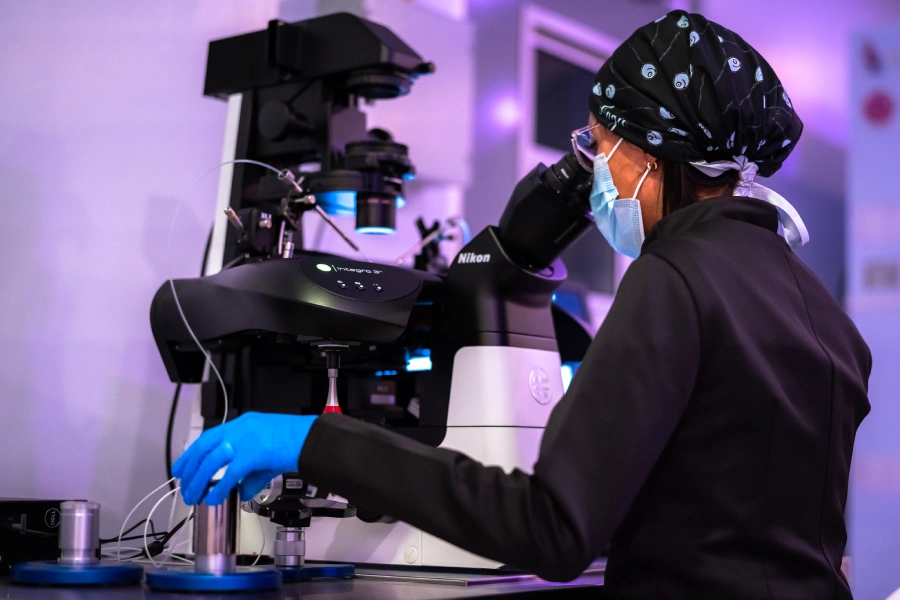
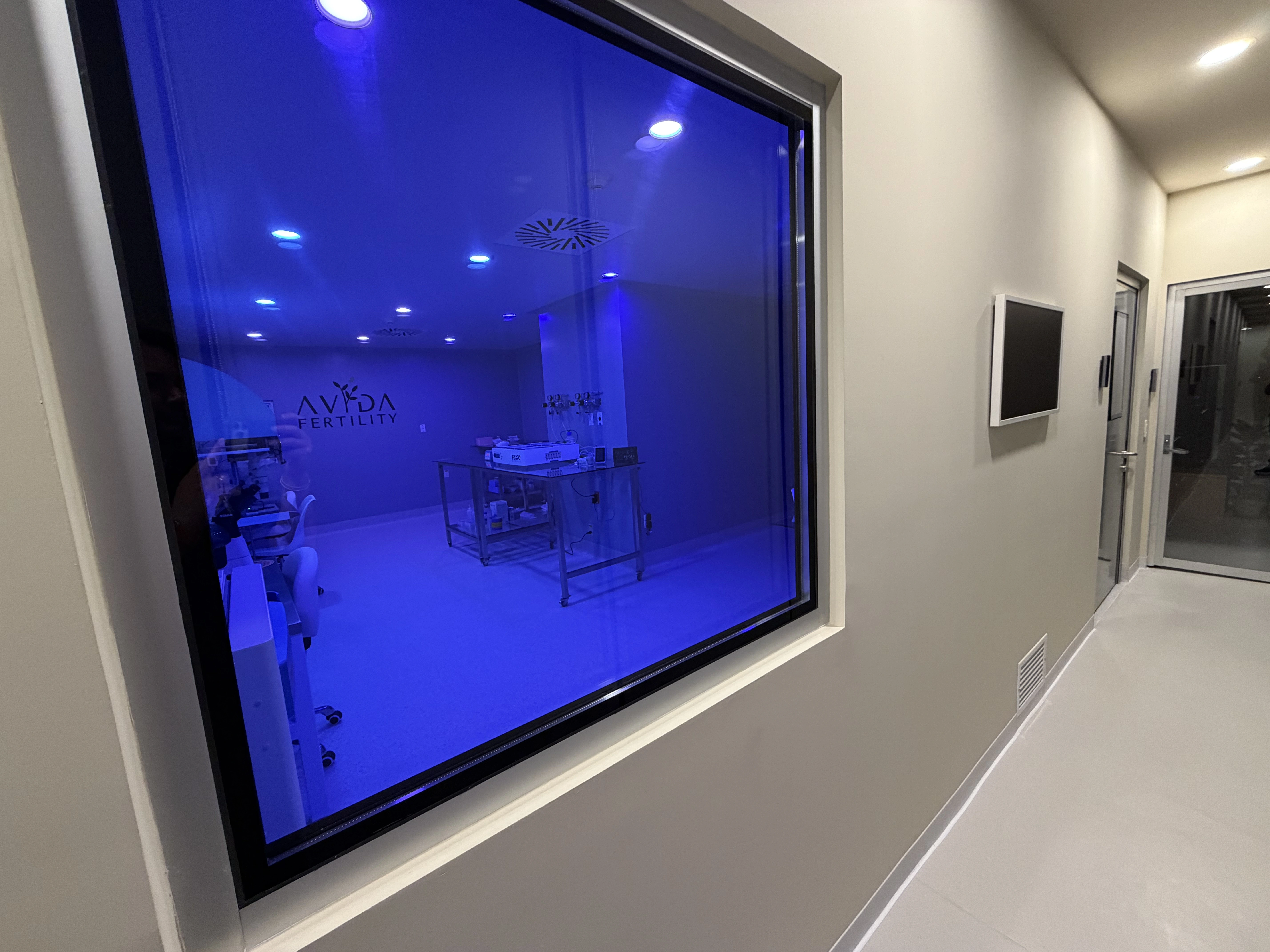
At Avida Fertility, we are convinced that trust comes from lived experience and technical expertise. We believe that our modern facilities on the outskirts of CDMX are the ideal place to support you on your reproductive journey, providing a warm, professional, and well-coordinated environment where sample collection, analysis, and consultation flow seamlessly.
Our approach is comprehensive, meaning that from the moment the test date is set to the medical interpretation of the results, the process is seamless. This helps reduce waiting times and confusion, and ensures clarity and medical support. This means that when you come for a consultation, you're not just undergoing an isolated procedure, but rather becoming part of a diagnostic and planning process designed for you and your goals.
We have specialized clinical and laboratory personnel with whom we work collaboratively, which means that the results of your hormonal studies, including tests like AMH, are interpreted quickly and within a real medical context.
At Avida Fertility, we support you with clinical expertise, seamless logistics, and compassionate care from your first visit through your complete reproductive plan.
Our patients




.jpg)

.png)
Frequently Asked Questions about the Anti-Müllerian Hormone Test
What is the anti-Müllerian hormone test used for?
The anti-Müllerian hormone (AMH) test is used to estimate your ovarian reserve, meaning the quantity of eggs available. It helps guide you if you are planning a pregnancy, preparing for fertility treatment, or if you want to understand your current reproductive status. AMH alone does not predict pregnancy or egg quality without considering the broader context. That's why a good medical explanation is always more valuable than a number read in isolation.
How is an anti-Müllerian hormone test performed?
The anti-Müllerian hormone (AMH) analysis is performed with a simple blood draw, similar to any routine blood test. The procedure takes a few minutes, is non-invasive, and generally requires no special preparation. The result is analyzed in a laboratory and becomes useful information when you review it with your specialist, not before.
When should an anti-Müllerian hormone test be done?
The test is generally indicated when a person is evaluating their fertility, before starting assisted reproductive treatments, or if there are concerns about ovarian reserve due to age or medical history. The ideal timing may vary depending on your case and reproductive goals, so it's best to discuss it with your specialist.
What day of the cycle is the anti-Müllerian hormone test taken?
Unlike other hormones, the anti-Müllerian hormone test can be performed on any day of the menstrual cycle, as its levels remain stable throughout the month.
Is fasting required for an AMH test?
Generally, fasting is not required for an AMH test, as the result is not affected by food intake. However, if you are having other blood tests done on the same day, you might be asked to fast for those. It's best to confirm when scheduling your appointment so you can arrive feeling calm and without doubts.
What are the requirements for an anti-Müllerian hormone test?
The requirements are usually minimal: generally, they will only ask for identification and, in some cases, a doctor's order. It's important to inform them if you are taking hormones or other medications. If the test is part of a more comprehensive evaluation, the team will clearly explain how to prepare so everything goes smoothly.
How long does it take to get anti-Müllerian hormone test results?
The turnaround time for results varies by laboratory; some issue reports within a few business days, while others may take a bit longer. Your clinic will clearly inform you when and how your results will be delivered.
How do I know if my anti-Müllerian hormone level is normal?
There isn't a universally 'good' or 'bad' AMH value; the interpretation always depends on your age, reproductive health, and other clinical studies. Higher levels suggest a greater ovarian reserve, while lower values indicate a more reduced reserve. This alone does not predict your ability to conceive.
What are the symptoms of low anti-Müllerian hormone?
Low AMH itself doesn't usually cause specific symptoms, as it's a hormonal marker, not a disease. It's commonly detected when someone is evaluating their fertility or experiencing difficulties conceiving. If you notice difficulty getting pregnant, changes in your cycles, or have concerns, discussing it with your specialist will provide a more comprehensive assessment.
How much does an anti-Müllerian hormone test cost?
The cost of an AMH test can vary depending on whether it's done as a standalone analysis or as part of a comprehensive clinical evaluation that includes consultation, interpretation, and additional tests. Prices depend on the lab and the type of care you choose, but the important thing is that the real value lies in what you learn and how that information is used clinically. (See previous section)
Visit our Fertility Center in CDMX


Leave us a message.
.svg)


©2026 AVIDA FERTILITY™
Dr. Daniel Pascal Pontón
Professional License SEP: 13928465

.svg)
.svg)
