

Fertility and Assisted Reproduction Treatments in CDMX
Finding the ideal fertility treatment in CDMX is not just about choosing between in vitro fertilization or artificial insemination; it is about designing a medical plan tailored to your history. At Avida, we integrate everything from low-complexity solutions to high-tech laboratory services, always following safety protocols and scientific evidence.
If you are unsure when to see a specialist, you can follow this simple rule:
- Under 35 years old: request an evaluation if you have been having regular unprotected intercourse for 12 months without achieving pregnancy.
- 35 years or older: request an evaluation after 6 months of trying, or sooner if you are already aware of any condition that may affect your fertility.
If you find yourself in any of these situations, the following sections will explain how our fertility specialists in CDMX review your case and design a personalized protocol before recommending the most suitable fertility treatment. Later on, you will see, with complete transparency, how much a fertility treatment costs in CDMX and what factors influence that investment.
Types of Fertility Treatments: The Ideal Solution for You
Before choosing a fertility treatment, it is important to understand that not all paths have the same level of complexity. There are Low Complexity options (less invasive and simpler) and High Complexity options (involving more laboratory steps). The choice is always based on your diagnosis, following protocols aligned with guidelines from societies such as ASRM and RedLARA.
- - Low complexity: hormonal adjustments, ovulation monitoring, timed intercourse, or Artificial Insemination.
- - High complexity: In Vitro Fertilization (IVF) and advanced laboratory techniques for more complex cases.
This page serves as an index to help you navigate to the fertility treatment that best fits your situation:

Treatments for Men (Andrology)
Specialized studies for the male factor, such as semen analysis and sperm DNA fragmentation. Start with male fertility testing, where the appropriate approach for fertility treatment in men is defined.
Learn more >
Timed Intercourse
Timed intercourse is a low-complexity treatment that synchronizes your sexual activity with your most fertile days. Through precise medical monitoring, we identify your exact ovulation window. Discover if timed intercourse is the ideal fertility treatment for you.
Learn more >.webp)
Artificial Insemination
We facilitate the meeting of egg and sperm at the exact right moment. Ideal for mild cases and for couples or individuals who need a little extra help without moving immediately to IVF. Learn more about Artificial Insemination.
Learn more >.webp)
In Vitro Fertilization (IVF)
The technique with the highest success rate: fertilization takes place in our high-tech laboratory, allowing us to address more complex female and male cases. Discover how In Vitro Fertilization (IVF) works.
Learn more >.webp)
Frozen Embryo Transfer (FET)
This is the treatment to achieve pregnancy using previously vitrified embryos. It is the indicated procedure if you have embryos from a previous cycle, following genetic diagnosis (PGT-A), or through egg donation. It focuses on preparing your uterus for implantation without the need for a new, full ovarian stimulation. Learn about the Frozen Embryo Transfer process.
Learn more >Assisted Reproduction for All Family Models
At Avida Fertility, assisted reproduction is not limited to one type of couple: fertility treatment protocols are designed for single mothers, single fathers, and same-sex couples, following international medical and ethical standards (ASRM, RedLARA) that promote access regardless of marital status or sexual orientation.
Rather than just selling a diagnosis, we work with established treatment protocols for every family model. The goal is for you to feel that your specific situation is already covered by the clinic's experience and that there is a clear path to building your project of motherhood or fatherhood, always with individual medical evaluation.
Practically speaking, these are some of the paths we can map out with you:
Rather than just selling a diagnosis, we work with established treatment protocols for every family model. The goal is for you to feel that your specific situation is already covered by the clinic's experience and that there is a clear path to building your project of motherhood or fatherhood, always with individual medical evaluation.
Practically speaking, these are some of the paths we can map out with you:

ROPA Method (Female Couples)
The ROPA Method (Reception of Oocytes from the Partner), also known as Co-IVF or reciprocal IVF, allows one mother to provide the eggs and the other to carry the baby, sharing the biological and emotional process of pregnancy.
At Avida, the protocol includes a complete evaluation of both mothers, the decision of who provides the eggs and who carries the pregnancy, selection of the sperm donor according to medical and legal criteria, and an IVF cycle in a high-complexity laboratory, aligned with the quality and safety standards reported by ASRM and RedLARA for assisted reproduction techniques.
Discover how this process is organized on the ROPA Method page.

Motherhood by Choice (Single Mothers)
If you wish to become a mother without a partner, one of the most common paths is to combine a certified sperm bank with a protocol that can range from intrauterine insemination (IUI) to IVF, depending on your ovarian reserve, age, and other health factors.
At Avida, the team reviews your case and helps you choose between IUI or IVF within a personalized fertility treatment, always aligned with the donor eligibility and evaluation criteria established by ASRM and the experience reported by RedLARA in Latin America.
Learn more about this route on the single mother by choice page.

Parenthood by Choice (Single Fathers)
For single fathers, the path often includes egg donation and, in certain contexts, the participation of a surrogate.
At Avida Fertility, our role is not to sell a promise, but to help you understand which steps are viable for your situation: fertility testing, determining the source of the eggs, and, when Mexican legislation and ethical criteria allow, coordination with teams specializing in surrogacy.
Everything is conducted under safety and sample traceability protocols, following the standard that RedLARA promotes in the region. You can explore this route in the single father by choice section.

At Avida, fertility treatments also include trans and gender-diverse individuals.
ASRM ethical opinions state that gender identity or expression should not be a barrier to accessing fertility preservation or assisted reproduction techniques; the key is to offer the same quality of care and counseling regarding how hormones or surgeries may affect future fertility.
Learn more about how we organize these inclusive protocols in our transgender fertility section.
If you see yourself in any of these scenarios, schedule an appointment to learn about your personalized treatment protocol.
Your 4-Step Path to Pregnancy
Starting fertility treatment can be anxiety-inducing because you often don't know what to expect at each stage. To reduce that uncertainty, at Avida, we organize the process into four clear steps, following the recommendations of societies like the ASRM and the quality standards promoted by RedLARA for assisted reproduction centers in Latin America.
Regardless of whether you end up with intrauterine insemination (IUI), IVF, or a combined treatment, the journey can be understood as follows: first, we understand the causes; then, we design the plan; next, we carry out the treatment; and finally, we confirm the pregnancy and define the follow-up.
Regardless of whether you end up with intrauterine insemination (IUI), IVF, or a combined treatment, the journey can be understood as follows: first, we understand the causes; then, we design the plan; next, we carry out the treatment; and finally, we confirm the pregnancy and define the follow-up.
Let's get started!
STEP 1
Comprehensive diagnosis


The first step is to understand what is happening with both partners or the individual seeking consultation. ASRM guidelines recommend a systematic evaluation: a complete medical history, physical examination, hormone studies, transvaginal ultrasound, and semen analysis, among others.
For you, this usually translates into:
- A detailed interview about your attempts to conceive, medical history, and previous treatments.
- Studies aimed at determining if you need a female fertility treatment, a male fertility treatment or a combination of both.
- Clear explanations of what each study looks for and when you will receive the results.
The goal is not to label you, but to find the root cause so we can propose a realistic path aligned with the evidence.
STEP 2
Plan design
With the results in hand, the team reviews the complexity of the case (age, ovarian reserve, male factor, medical history, time spent trying to conceive) and designs a personalized protocol. ASRM recommendations emphasize choosing interventions proportional to the problem and the duration of infertility, avoiding both under-treatment and unnecessarily complex procedures.
At this stage:
- Your diagnosis is explained in plain language, along with what it means for your prognosis.
- We decide whether the next step will be ovulation induction, artificial insemination, IVF/ICSI, or another alternative of fertility treatment.
- Medication (dosage, duration, type of drugs) is adjusted based on your expected response to find the best balance between safety and success rates.
Here you can also ask about timelines, the number of suggested attempts, and "plan B" scenarios if the first approach does not yield the expected result.
STEP 3
Results and Personalized Treatment Plan:
Unordered liOnce the plan is clear, the practical steps of the treatment begin. Although the details vary depending on the technique, the guidelines always describe a structured cycle: controlled stimulation, monitoring, the main procedure, and aftercare.
Depending on your case, this may include:
- Monitoring and medication: injections or other medications to stimulate ovulation, with frequent ultrasounds and blood tests to monitor your response.
- Main procedure:
- In IUI, the placement of prepared sperm into the uterus at the optimal time.
- In IVF/ICSI, the ovarian puncture to retrieve eggs, laboratory fertilization, and the subsequent transfer of one or more embryos into the uterus.
- Aftercare: instructions regarding relative rest, supportive medication, and warning signs for which you should contact the clinic.
Everything is performed under validated protocols and quality controls, such as those included in the RedLARA registry, which emphasizes safety, traceability, and outcome monitoring in accredited centers.
STEP 4
Pregnancy test and follow-up
A few days after the procedure (IUI or embryo transfer), a blood pregnancy test is scheduled, which is the most sensitive way to determine if the cycle was successful. Clinical recommendations typically suggest a beta-hCG test about 10–14 days after insemination or transfer to avoid false negatives or premature positives.
In this step:
- The result is interpreted with you, and the next steps are explained: monitoring an early pregnancy or adjusting the plan if the test is negative.
- Alternatives are reviewed in case the first attempt is unsuccessful (repeating the same protocol, changing the dosage, moving from IUI to IVF, considering egg donation, etc.), always within the limits set by ASRM and the effectiveness data collected by RedLARA for various techniques.
How much does fertility treatment cost in CDMX?
It is normal for our patients to wonder how much a fertility treatment costs. Every story is unique, and the reality is that there is no "list price": the cost is an investment that changes based on the complexity of your case, the type of protocol, and whether you need additional techniques like ICSI, PGT-A, or egg donation, following safety and effectiveness criteria endorsed by scientific societies.
To make it clearer, here are some factors that can affect your investment:
Furthermore, a protocol focused on fertility treatment for women (e.g., low ovarian reserve or endometriosis) is different from fertility treatment for men (such as sperm retrieval or systematic use of ICSI): the tests, timelines, and laboratory work change, and with them, the investment.
To better understand the investment for specific procedures like In Vitro Fertilization or Artificial Insemination, you can check our dedicated pages, which explain what each protocol includes and how costs are structured at Avida.
Avoid surprises: the only responsible way to provide you with an accurate quote is after a medical assessment that measures the complexity of your case and defines the most appropriate protocol for you.
Meet our Reproductive Specialists
When you choose a fertility treatment, you are also choosing the team that will make complex decisions about your health. At Avida, your treatment is in the hands of board-certified reproductive specialists, not just general gynecologists, in line with recommendations from societies like ASRM for high-complexity cases and the use of advanced techniques such as IVF or PGT-A.
Our team combines expertise in fertility treatment for women (low ovarian reserve, endometriosis, implantation failure) and fertility treatment for men (severe semen abnormalities, need for ICSI, or other procedures), working alongside embryologists and nursing staff who undergo continuous training, as promoted by ASRM educational and accreditation programs and Latin American networks like RedLARA.
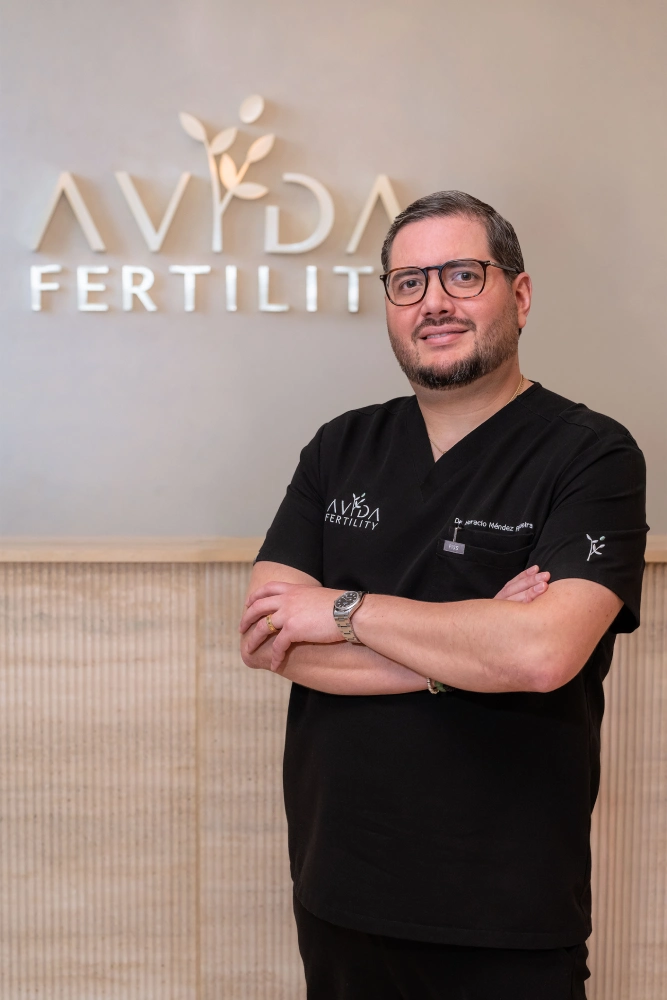
Dr. Horacio Méndez Filgueira
Co-founder and CEO
Surgeon with an MBA and extensive experience in healthcare project management.

Dr. Daniel Pascal Pontón
Co-founder and Co-Medical Director
Obstetrician-gynecologist and specialist in human reproductive biology
Obstetrician-gynecologist and specialist in human reproductive biology

M.A. Angie Díaz Acacio
Laboratory Director
Biologist specializing in clinical embryology and andrology
Biologist specializing in clinical embryology and andrology
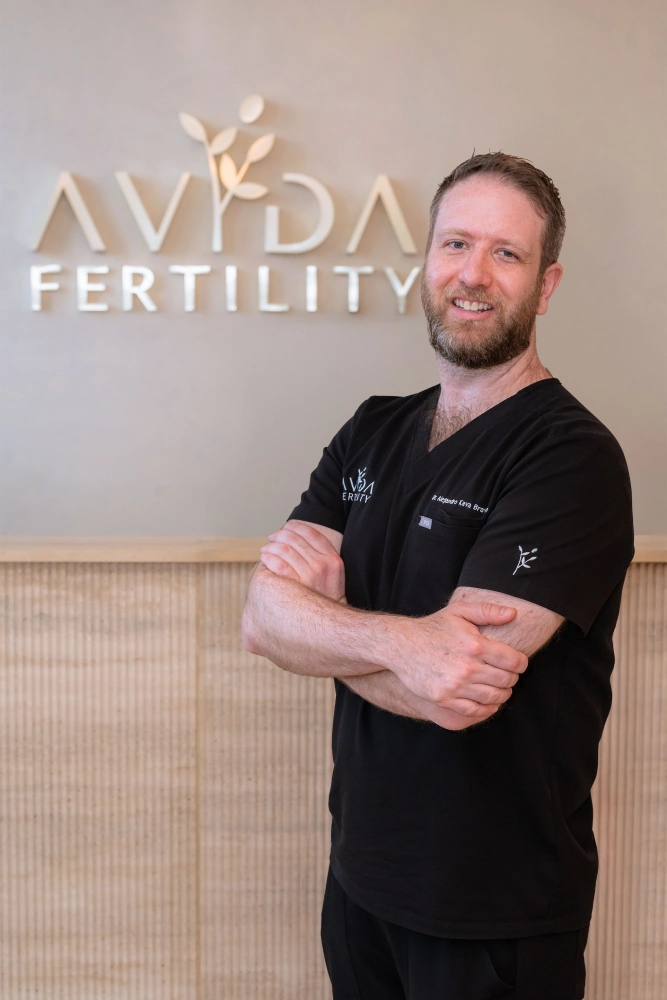
Dr. Alejandro Kava Braverman
Co-founder and Co-Medical Director
Obstetrician-gynecologist and specialist in human reproductive biology
Obstetrician-gynecologist and specialist in human reproductive biology
Our Clinic and Laboratory in CDMX



.webp)


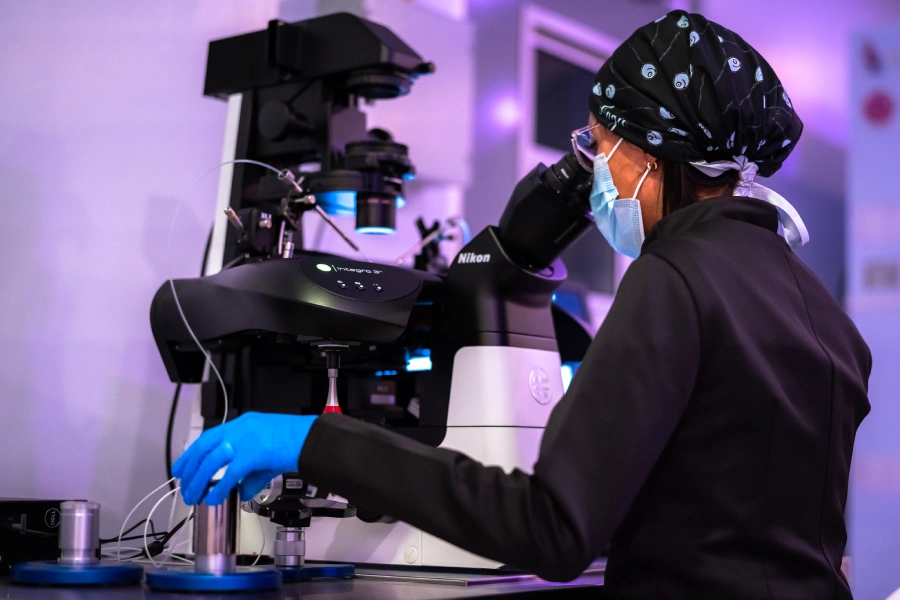

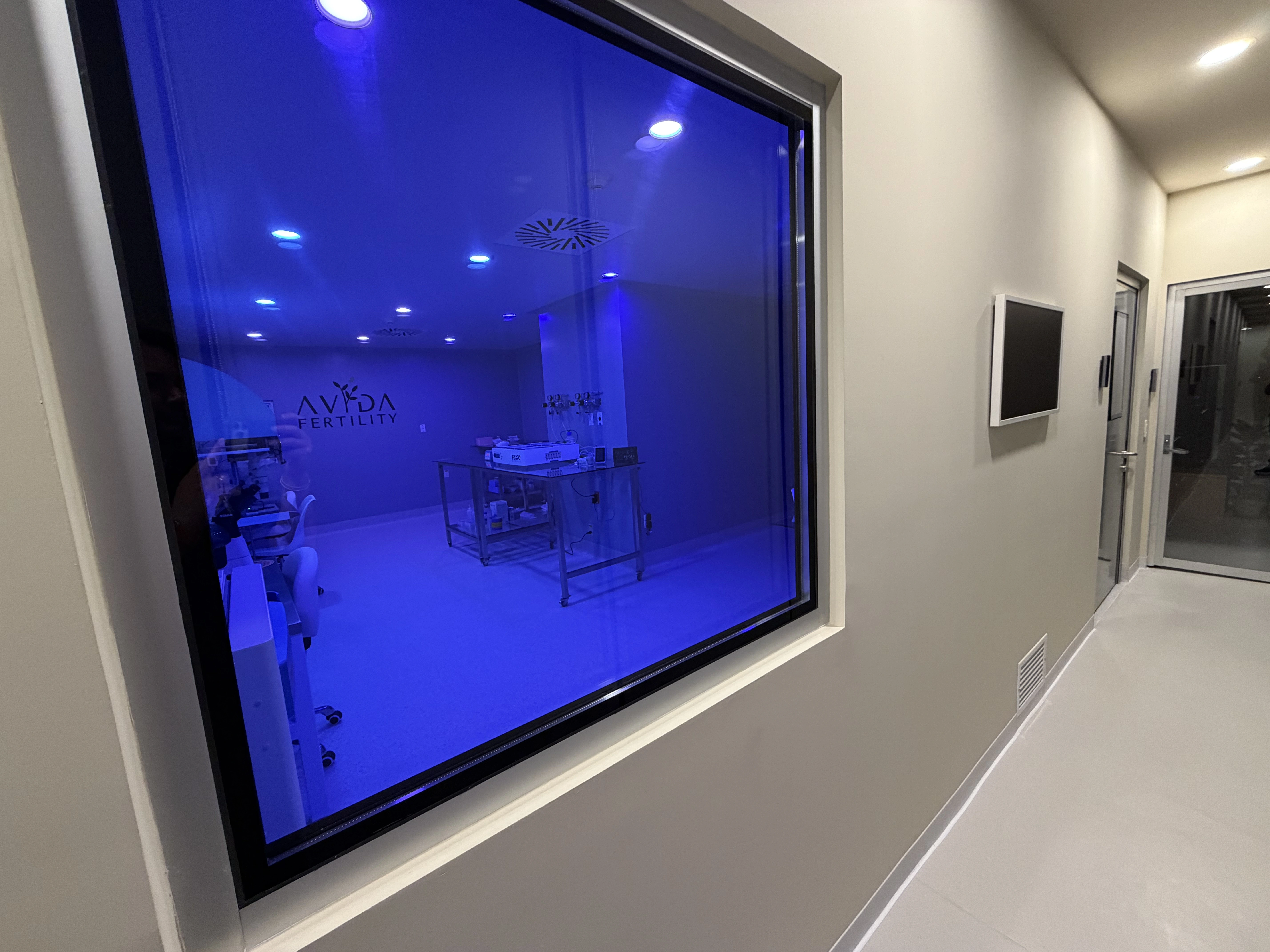
In a fertility treatment, it’s not just the protocol that matters: it’s also where your eggs, sperm, and embryos are cared for. At Avida, as a Fertility Solutions Hub in CDMX, our laboratory and operating room are specifically designed for IVF, featuring state-of-the-art equipment and controls based on ASRM recommendations and the standards of networks like RedLARA.
Visit our Fertility Center in CDMX


Leave us a message.
Oops! Something went wrong while submitting the form.
Frequently Asked Questions About Fertility Treatments
What is the difference between Artificial Insemination and IVF?
In both cases, we are talking about a fertility treatment, but in Artificial Insemination, fertilization occurs inside the body: prepared sperm are placed directly into the uterus at the time of ovulation. In IVF, eggs are fertilized in the laboratory and the embryos are then transferred to the uterus.
What is the best treatment for women over 40?
For women aged 40 or older, high-complexity fertility treatment, generally IVF, is usually recommended. Depending on ovarian reserve and medical history, the team may suggest IVF with PGT-A to select chromosomally healthy embryos or consider egg donation, always following a comprehensive assessment and medical counseling.
Are fertility treatments painful?
Modern fertility treatment is considered minimally invasive. Stimulation usually causes discomfort similar to premenstrual syndrome. Artificial insemination can cause mild cramping and lasts only a few minutes. The egg retrieval for IVF is performed under sedation, so you should not feel pain, only some minor discomfort afterward.
How much does a fertility treatment cost at Avida Fertility?
At Avida, we do not work with generic packages or a single flat fee. The cost is determined after your assessment, based on your diagnosis, the complexity of the protocol, medication, and additional techniques. This allows us to offer you a transparent quote that is consistent with your clinical situation and your goals.
What is the success rate of fertility treatments?
The success rates of a fertility treatment depend on age, diagnosis, and the technique used. In general, IVF offers higher probabilities than Artificial Insemination, and in certain cases, IVF with PGT-A can improve embryo selection. Records from ASRM, SART, and RedLARA show variations across age groups.
What medications or supplements do you recommend to improve fertility?
We do not recommend self-medication or the use of "fertility pills" without supervision, as they can disrupt your hormonal cycle. At Avida, we use Ovulation Induction protocols with controlled medications under strict ultrasound monitoring to ensure their effectiveness and safety.
Do you offer options for same-sex couples or single women?
Yes, we are an inclusive clinic with specialized protocols. For female couples, we offer the ROPA Method (Shared Motherhood) or Artificial Insemination. For single women, we have a certified sperm bank. For male couples, we provide medical and legal guidance for surrogacy processes.
What treatments are available if the issue is male infertility?
40% of cases are due to male factors. If a semen analysis shows abnormalities, donor sperm is not always necessary. We use high-complexity techniques such as ICSI (Intracytoplasmic Sperm Injection), where we select the best sperm one by one to fertilize the egg, achieving pregnancy even with very low counts.
What technology does Avida use to increase the chances of treatment success?
Our laboratory features state-of-the-art technology, including tri-gas incubators that more accurately simulate the physiological conditions of the maternal uterus, as well as the capacity to perform PGT-A (Genetic Testing) if required. This allows us to select the embryo with the highest implantation potential, significantly increasing success rates compared to conventional methods.
.svg)
Life begins with a small flash, and we're here to accompany you on every step of this journey.

en

©2026 AVIDA FERTILITY™
©2026 AVIDA FERTILITY™
COFEPRIS Permit: 253300201A1949
Dr. Daniel Pascal Pontón
Professional License SEP: 13928465
Dr. Daniel Pascal Pontón
Professional License SEP: 13928465

.svg)
.svg)
