

Single Father by Choice: Independent Fatherhood in Mexico
From a clinical perspective, there are various possible routes, which may include egg donation, in vitro fertilization (IVF), and in some cases, surrogacy, always understanding that the legal framework is not uniform across the country and must be analyzed on an individual basis.
This page is designed to help you understand what options are available and how to begin a personalized medical assessment, providing accurate information without universal promises.
Single Fatherhood: Who is it for and what paths exist?

This path is often considered by men who wish to start a family without a partner, whether by personal choice, life stage, or specific circumstances. In the context of Mexico, it's crucial to begin with an individual assessment that considers both medical and legal aspects.
Single Fatherhood in Mexico: What You Need to Know Before Starting


Before proceeding, consider reviewing:
- Clear Family Decision
- Health Assessment
- Logistics and Timelines
- Close Support Network
- Financial Planning
- Adequate Legal Advice
The Importance of the Biological Link
Many men who choose single fatherhood deeply value establishing a genetic bond with their child. This desire for biological continuity is a fundamental driver in their family planning. Through In Vitro Fertilization (IVF), the embryo is formed specifically using your own sperm sample, ensuring a direct biological link with your future child from the moment of conception.
This technical process allows the father's genetic material to be the basis for the baby's development, even without a female partner in the project. In specialized laboratories like Avida's, high-precision techniques are applied to ensure that genetic material is handled with the highest standards of safety and traceability, providing certainty that the biological identity of the future child is protected during every phase of lab work.
Medical Options for Single Men: IVF and Surrogacy
The medical journey is central to the process and follows a general outline: assessment → plan definition → lab work. At Avida, egg donor selection is based on strict genetic and medical profiles. Subsequently, we perform in vitro fertilization (IVF) using the prospective father's sperm sample, and coordinate the surrogate's endometrial preparation for embryo transfer. The plan is tailored to each case to include gamete donation and assisted reproductive techniques.
Single Fatherhood: Support Network and Emotional Preparation
In addition to the medical process, it's important to have emotional support, plan for postpartum, and anticipate work and family adjustments to navigate this journey with greater stability.
.svg)
What does the process of becoming a single father by choice involve?
From your initial consultation to preservation, every stage of your journey is designed to give you peace of mind and confidence: a step-by-step path, where each stage is defined by medical, ethical, and legal criteria. Your journey may vary depending on your case, but these are the general phases.
Initial assessment and goal setting
We perform complete semen analysis, sperm DNA fragmentation testing, and detailed morphological evaluation. Our AI system analyzes every parameter to define the best ICSI strategy: your medical history, your general health, and your male fertility tests. This stage helps us understand your starting point and set realistic goals.
Ovarian preparation and stimulation
We design a personalized reproductive plan that, in your case, will include egg donation. With a tailored stimulation protocol, we work toward the highest-quality eggs, with continuous monitoring through high-resolution ultrasound and hormonal analysis optimized by artificial intelligence. Every decision is based on medical and ethical criteria, always with clear information for you.
Embryo creation in the lab (IVF / ICSI as applicable)
Embryo formation is carried out in the laboratory through in vitro fertilization (IVF) or ICSI, depending on the clinical indication and the embryologist's discretion.
Coordination with surrogate and clinical monitoring
The process includes medical coordination, continuous monitoring, and informed consent from all parties, ensuring both physical health and emotional support.
Embryo transfer and pregnancy monitoring
The embryo is transferred to the gestational carrier's uterus, and medical follow-up is provided throughout the pregnancy, without guaranteeing specific outcomes or standard timelines.
Birth, documentation, and process closure
Birth involves a legal component that depends on the federal entity where the process takes place. In Mexico, there is no single federal law on surrogacy, so regulation varies by state and requires specialized legal advice.
Costs of an independent parenthood process: what they depend on and how to get a quote for your case (without surprises)
In general, costs tend to depend on factors such as:
- Medical evaluation and initial studies
- Laboratory processes
- Egg donation
- Medications
- Egg donation
- Specialized legal advice
Benefits of a comprehensive clinical plan vs. going without guidance
When the process is approached in a structured way, with clinical coordination and monitoring, errors, redundancies, and blind decisions are reduced. The difference is not in “doing more,” but in doing it with order and traceability.
Route comparison
Meet your assisted reproduction specialists
A process of assisted reproduction does not depend on a single person. It involves a multidisciplinary team that works in a coordinated manner to make informed medical decisions and accompany each stage with clarity.
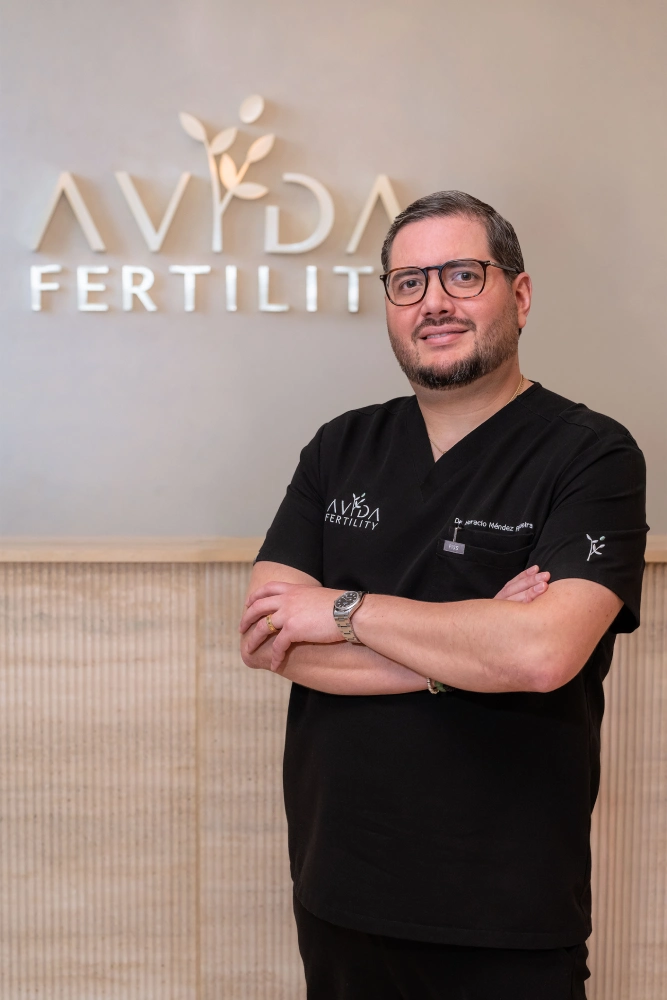
Co-founder and CEO
Surgeon with an MBA and extensive experience in healthcare project management.

Obstetrician-gynecologist and specialist in human reproductive biology

Biologist specializing in clinical embryology and andrology

Obstetrician-gynecologist and specialist in human reproductive biology
Our Clinic and Laboratory in CDMX



.webp)


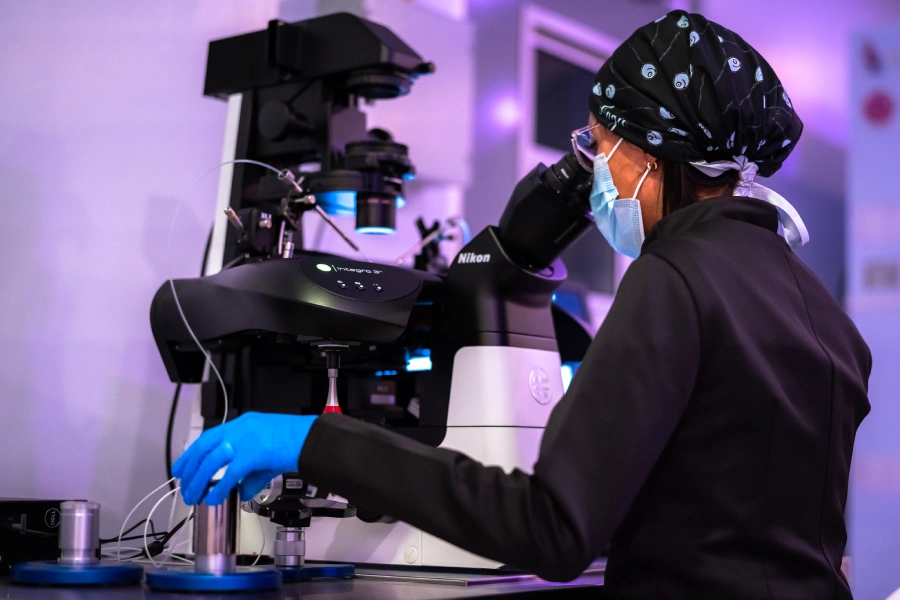

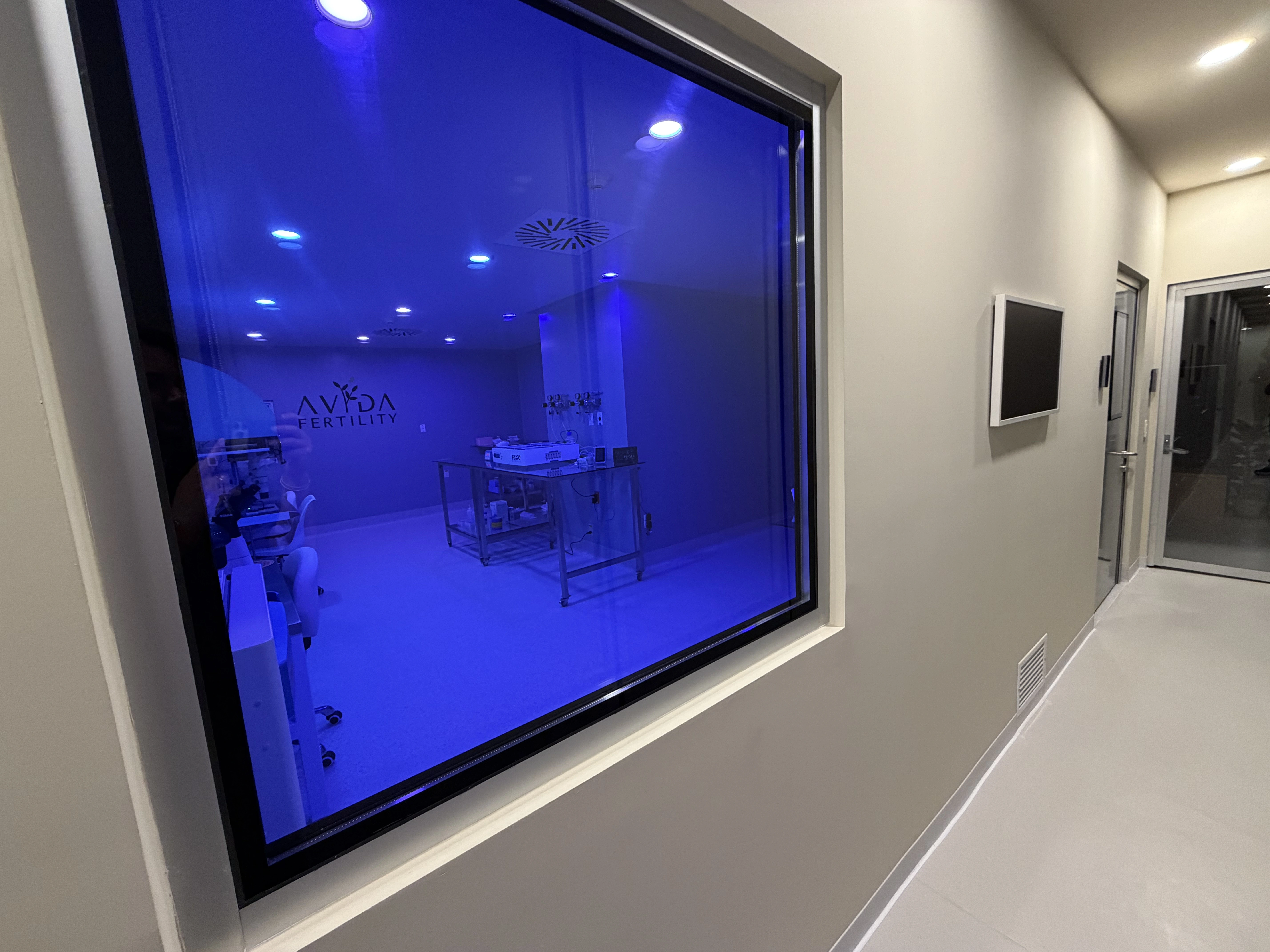
At Avida Fertility, your peace of mind is non-negotiable. In your journey, which involves donors and gestational carriers, genetic certainty is paramount. We operate under strict standards set by COFEPRIS and we use systems of electronic traceability (digital witness) that safeguard the identity of your sperm sample and embryos at every step. We guarantee a legal, ethical, and transparent process, so you can have absolute certainty that your future child is protected from the lab.
Having clinical facilities and a laboratory in one location, allows for centralized evaluations, procedures, and monitoring.
Our patients




.jpg)

.png)
Frequently Asked Questions about Choosing to be a Single Father
What are the options for a single father?
There are several viable paths: surrogacy (where applicable), adoption, and co-parenting. Each option has distinct medical and legal implications. The best path depends on your medical situation and the legal framework applicable to your case.
Can a man have a child on his own?
A single man can have a biological child through a process of comprehensive assisted reproduction that combines three elements: 1. Contribution of his own sperm sample. 2. Egg donation (to create the embryo through IVF). 3. Surrogacy (a gestational carrier carries the pregnancy). In Mexico, this process requires strict medical coordination and specialized legal advice depending on the state.
What does it mean to become a parent through surrogacy?
It involves the creation of embryos through assisted reproduction and a pregnancy carried by a gestational carrier. The process is based on informed consent, evaluation, and medical-legal coordination. The ASRM Guidelines recommend psychoeducational and legal evaluation and counseling.
Is surrogacy legal in Mexico?
The cautious answer is: it depends on the state and the specific case. Regulation is primarily state-level. Specialized legal advice is always recommended.
What does 'gestational carrier' mean?
The gestational carrier is the one who carries the pregnancy. This is not the same as the egg donor. Medical and psychological evaluation is required, as well as support throughout the entire process.
Whose sperm is used in surrogacy?
It is usually from the man who wishes to be a single father, unless, for medical reasons, sperm donation must be considered. In many cases, it can be from the intended father. If there is a medical indication, sperm donation may be considered. The decision is made after evaluation and informed consent.
How much does it cost to have a child through surrogacy?
There isn't a single figure. It depends on medical, laboratory, coordination, medication, and legal advisory components. It's advisable to request a transparent, phased quote.
What do single parents need most?
A support network, emotional stability, logistical organization, and professional medical and psychological support. Counseling is a best practice in third-party processes.
Visit our Fertility Center in CDMX


Leave us a message.
.svg)


©2026 AVIDA FERTILITY™
Dr. Daniel Pascal Pontón
Professional License SEP: 13928465

.svg)
.svg)
