

Artificial Insemination in Mexico
We know that when pregnancy doesn't happen, the first thing that arises is questions. Sometimes many, sometimes all at once. At Avida Fertility, a fertility clinic in Mexico City, we understand that this step is not taken lightly. It almost always comes after attempts, accumulated exhaustion, and doubts that repeat themselves over and over.
That's why we work closely and personally: with a scientific basis, but explaining things as they are. What the treatment is like, what the real probabilities are, and how much artificial insemination costs in Mexico.
What is artificial insemination and how does it work?
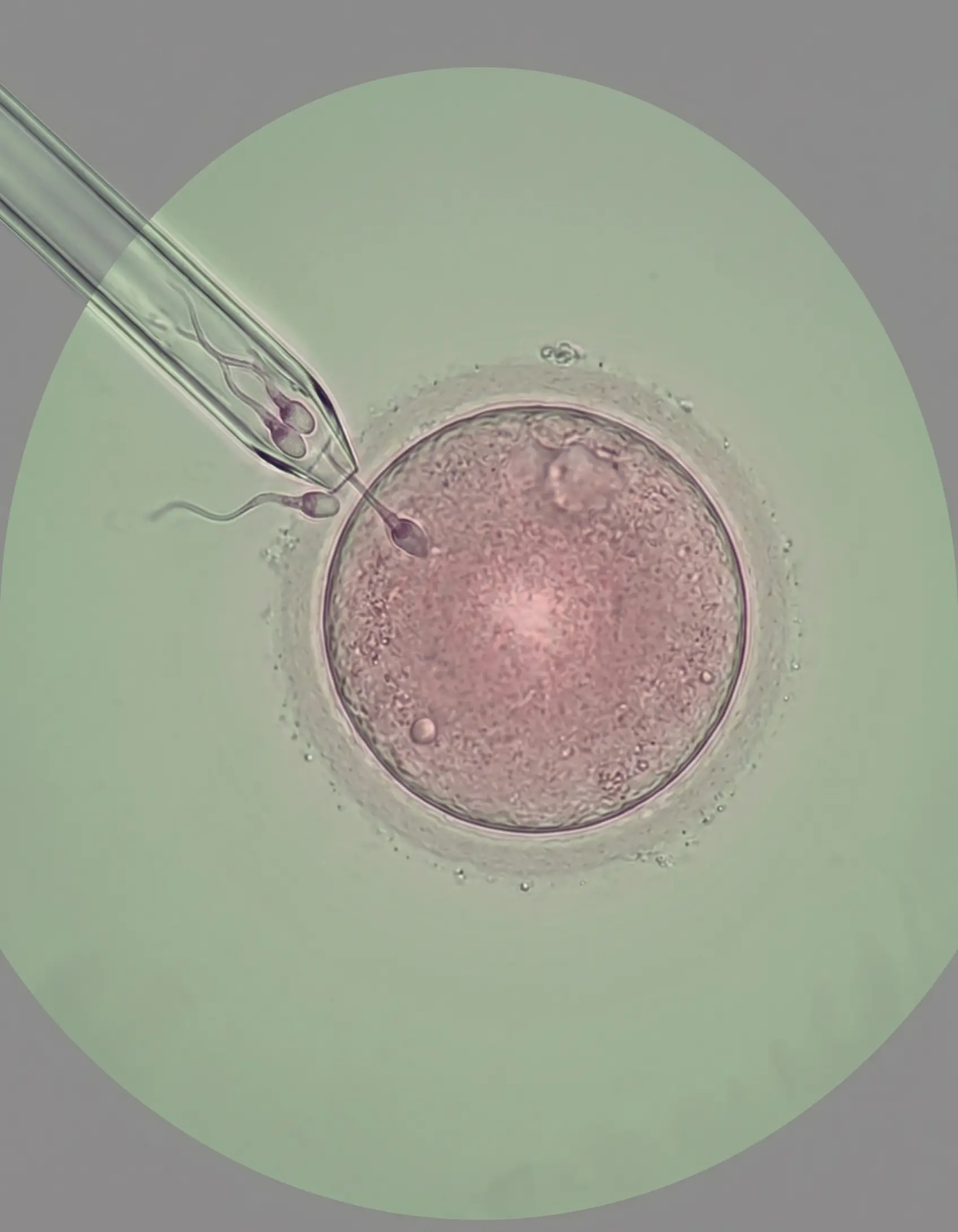
Artificial insemination is a fertility treatment performed during the most fertile time of the cycle. What we do is place a sperm sample, previously prepared in the lab, directly into the uterus when the body is ready to give the pregnancy the best possible chance. There are no surgeries or invasive procedures. Everything is done in a controlled manner, respecting the body's natural timing and function.
The idea behind it is quite logical: instead of leaving everything to chance, we shorten the sperm's journey and direct them where it truly matters. This way, they arrive in better condition and in greater numbers at the place where they can meet the egg, which is when fertilization occurs.
Artificial insemination does not force pregnancy; what it does is prepare the ground as best as possible by combining medical cycle monitoring, clinical expertise, and careful sample preparation. That's why it is often the first treatment recommended when there are mild reproductive challenges and an effective, safe option is sought, without taking unnecessary steps.
Ideal Candidates: Who is it recommended for?


Artificial insemination is often the first step in fertility treatments, especially when the woman is under 35 years old. It is recommended when there are mild reproductive challenges and a safe, less complex, and well-tolerated option is sought.
In practice, it is a suitable alternative in cases such as:
- Mild ovulation problems.
- Early-stage endometriosis.
- Cervical factor, when cervical mucus hinders sperm passage.
- Mild male factor, such as slightly below ideal sperm motility or concentration.
- Single women by choice or same-sex couples using a sperm bank sample.
An essential requirement is that at least one fallopian tube is open. When there is bilateral tubal obstruction or a severe male factor, insemination is no longer the best option, and our specialists usually guide patients towards in vitro fertilization (IVF), a treatment with higher success rates depending on the diagnosis.
.svg)
What is artificial insemination like? The step-by-step process
Let's get started!
Controlled ovarian stimulation
We perform complete semen analysis, sperm DNA fragmentation testing, and detailed morphological evaluation. Our AI system analyzes every parameter to define the best ICSI strategy. Treatment begins with low-dose hormones to help your ovaries work better that month. It's not about forcing anything, but about supporting your body. Through ultrasound monitoring, we track how your follicles are growing, which is where the eggs develop, until we identify the best moment for ovulation.
Ovarian preparation and stimulation
Personalized stimulation protocol to obtain the highest quality eggs. Continuous monitoring with high-resolution ultrasound and hormonal analysis optimized by artificial intelligence.
Sperm sample preparation
On the day of the procedure, the lab prepares the sample (either from the partner or a sperm bank). We select the sperm with the best motility and morphology, discarding those that are not viable. This sperm capacitation process increases the chances of the treatment being successful.
Insemination
This is the central and also the simplest step. The prepared sample is placed directly into the uterus using a very fine cannula. It only takes a few minutes, it's painless and is performed in the office. There's no anesthesia, no operating room, and no long recovery period afterward.
Pregnancy test and follow-up
Then comes the waiting period, which is often the most challenging part. Approximately 14 days later, we perform a blood pregnancy test (Beta hCG) to confirm the result and guide you through the next steps, whatever the outcome.
How much does artificial insemination cost in Mexico?

From $17,000 to $40,000 MXN, depending on the clinic and the services included.
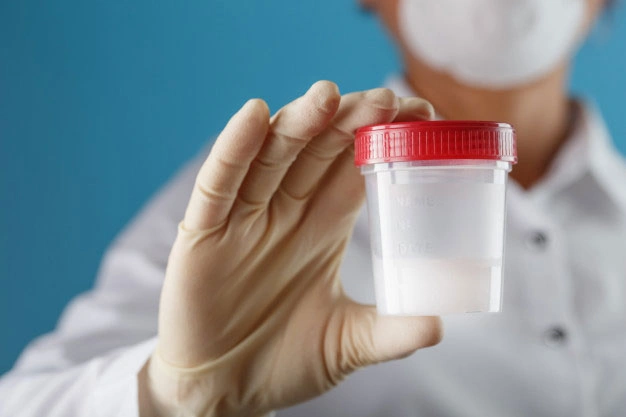
From $30,000 to $60,000 MXN, as it includes the cost of the sperm bank sample.
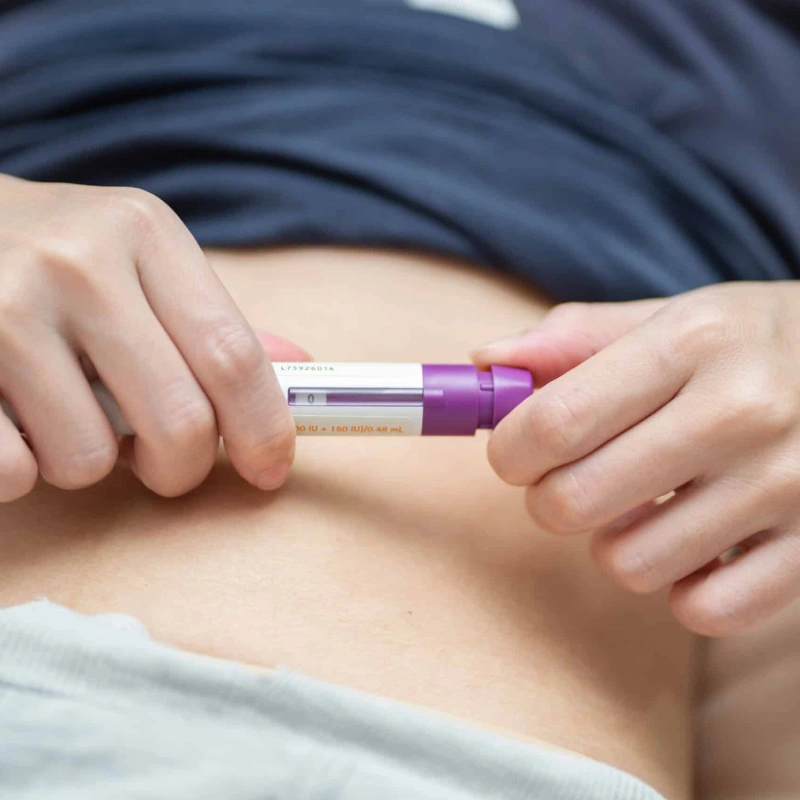
Between $5,000 and $15,000 MXN additionally, depending on each patient's hormonal response.
These ranges are reference points for the Mexican market and do not include prior diagnostic studies. The final cost varies depending on each case.
What Influences the Cost?
If you're looking for how much artificial insemination costs in Mexico, it's worth noting that the amount depends on several factors:
- Medical fees and the in-clinic procedure.
- Medications for ovarian stimulation, which vary according to your hormonal response.
- Use of a sperm bank, only if the treatment requires it.
- Prior diagnostic studies, such as a seminogram, anti-Müllerian hormone test, and hormonal profile.
- Number of cycles needed, as the success rate is cumulative and some patients require more than one attempt.
At Avida Fertility, we believe in total transparency. We don't have hidden costs or generic packages. After a complete medical evaluation, we provide you with a clear, written personalized quote tailored to your diagnosis, so you can plan with peace of mind and no surprises.
Differences Between Artificial Insemination and In Vitro Fertilization (IVF)
It's common to confuse these treatments, but the medical indication and scope of each are very different. This comparison helps you clearly understand which is usually recommended in each situation.
Artificial Insemination Success Rates
Generally, the pregnancy rate per cycle is usually around 15 to 20%. This might seem like a modest number, but it's important to understand something fundamental: the probabilities are cumulative. When the treatment is well-indicated, after 3 or 4 cycles, the chances of achieving pregnancy increase significantly.
Chances by Age
.png)
~18-22% chance of pregnancy per cycle.

~14-18% per cycle.
.png)
~10-14% per cycle.
.png)
The probabilities decrease significantly, and in many cases, in vitro fertilization (IVF) is recommended as an alternative with a higher success rate.
Meet Your Assisted Reproduction Specialists

Co-founder and CEO
Surgeon with an MBA and extensive experience in healthcare project management.

Obstetrician-gynecologist and specialist in human reproductive biology

Biologist specializing in clinical embryology and andrology

Obstetrician-gynecologist and specialist in human reproductive biology
Your Fertility Clinic and Lab in CDMX



.webp)


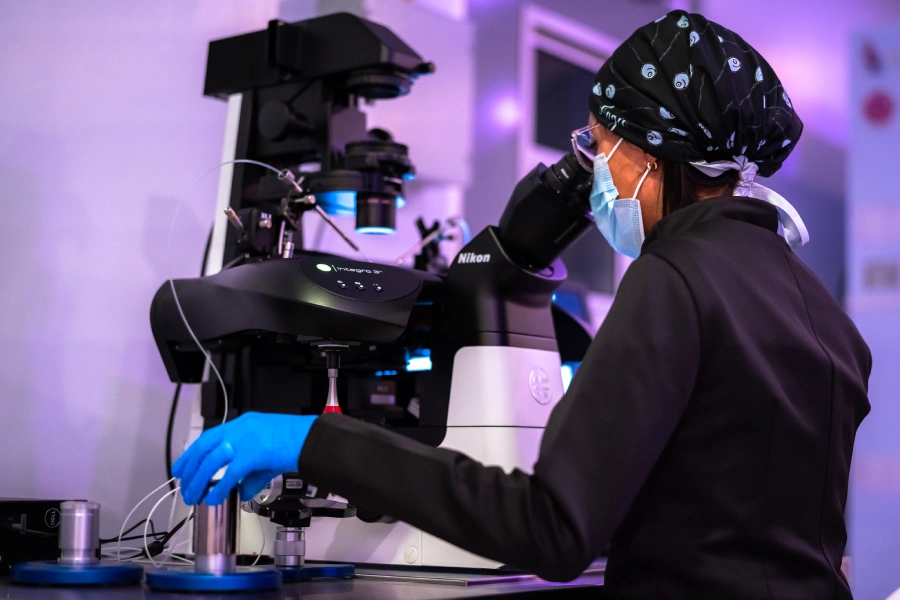

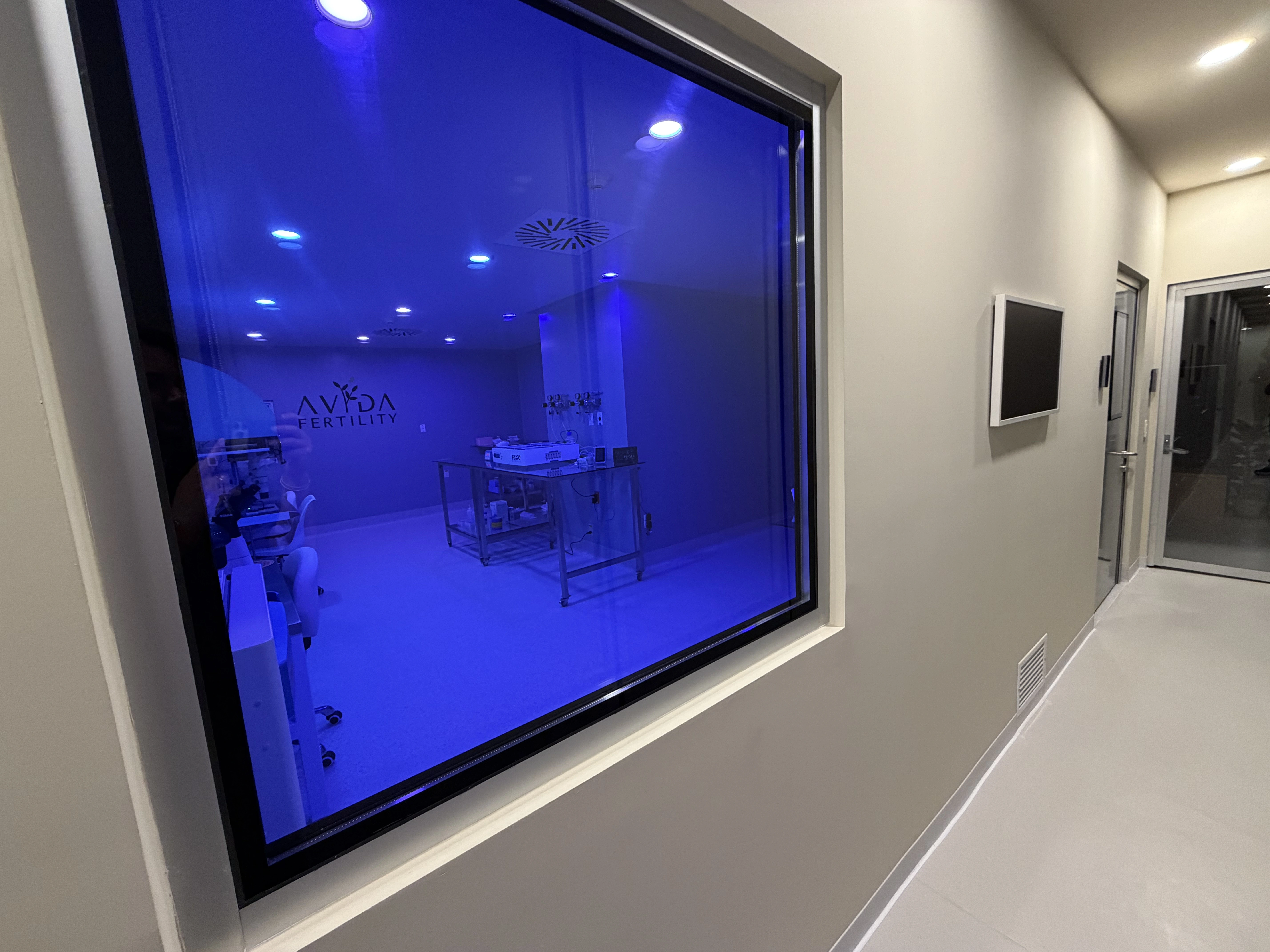
At Avida Fertility, we know that the environment matters as much as the science. That's why we've designed our fertility clinic in CDMX (strategically located in the metropolitan area of Huixquilucan) as a safe, modern space equipped with world-class technology. By not relying on third parties, we guarantee that every step of your diagnosis and treatment meets the strictest international standards of reproductive medicine.
At our facility, you'll find:
- High-Complexity Laboratory: The heart of Avida. By having our own laboratory, we don't outsource your dream. Here, we process everything from your fertility tests to embryo cultures, maintaining meticulous control over the environment and the traceability of each sample.
- Private Sample Collection Rooms: We fully understand that this step can create vulnerability and stress (especially during male fertility testing). We have designed completely discreet and comfortable spaces to reduce anxiety and protect your privacy to the fullest.
- Spaces Designed for Your Peace of Mind: From warm consultation rooms to modern waiting areas. Our location in Huixquilucan is easily accessible (whether by car or private transport), allowing you to arrive without complications so you can focus on the only thing that truly matters: your path to parenthood.
Our patients




.jpg)

.png)
Frequently Asked Questions about In Vitro Fertilization (IVF)
What is artificial insemination and how does it differ from IVF?
Artificial insemination (IUI) is a low-complexity treatment where sperm are placed directly into the uterus during ovulation. Fertilization occurs naturally inside the body. In IVF, however, the egg and sperm are united in the laboratory, and then the embryo is transferred to the uterus. IUI is recommended for mild cases; IVF for more complex situations.
How much does artificial insemination cost in Mexico in 2026?
In Mexico, the cost of artificial insemination varies between $17,000 and $60,000 MXN approximately, depending on whether partner or donor sperm is used, the necessary medications, and prior studies. Hormonal medication typically costs an additional $5,000 to $15,000 MXN. At Avida Fertility, we provide you with a personalized, written quote after your initial evaluation, broken down item by item.
Why don't all women get pregnant on the first insemination?
Factors such as age, fallopian tube patency, sperm quality, and the exact timing of ovulation are crucial. The success rate per cycle is around 15-20%, but it's cumulative: after 3-4 well-indicated cycles, the chances increase significantly. A thorough evaluation before starting identifies these factors and allows for optimizing each attempt.
How does age affect success rates?
Factors such as age, fallopian tube patency, sperm quality, and the exact timing of ovulation are crucial. The success rate per cycle is around 15-20%, but it's cumulative: after 3-4 well-indicated cycles, the chances increase significantly. A thorough evaluation before starting identifies these factors and allows for optimizing each attempt.
How does age affect success rates?
Age is the most important factor. Before age 35, pregnancy rates per cycle are around 18-22%. Between 35 and 40, they drop to 10-18%. After 40, the chances decrease significantly, and more complex options like IVF are usually recommended.
Is it possible to choose the baby's sex with insemination?
Not in a guaranteed way. IUI mimics natural conception in the uterus. There are sperm preparations that can slightly increase the probability of a specific sex, but for guaranteed selection due to medical or genetic reasons, it's necessary to consider highly complex options like IVF with preimplantation genetic testing (PGT).
What is the cost difference between IUI and IVF?
embryos in the lab and the involvement of embryologists, resources not used in an IUI. Generally, an IUI in Mexico can cost between $17,000 and $60,000 MXN, while an IVF starts from approximately $80,000 MXN without medication.
What does the initial assessment at Avida Fertility include?
At Avida Fertility, the initial assessment typically includes follicular ultrasounds, a semen analysis, relevant fertility tests, a review of your medical history, and an evidence-based success projection. This allows us to design a personalized treatment plan and provide you with a clear quote from the outset.
What's the first step to get started?
Schedule an initial consultation at Avida Fertility. In this first appointment, we evaluate your case, explain your real options, and provide you with a personalized quote. This way, you only invest in what is medically necessary for your specific situation.
Visit our Fertility Center in CDMX


Leave us a message.
.svg)


©2026 AVIDA FERTILITY™
Dr. Daniel Pascal Pontón
Professional License SEP: 13928465

.svg)
.svg)
