

In Vitro Fertilization (IVF) in CDMX
At Avida Fertility, we focus on embryo quality: we culture embryos to the blastocyst stage, where they have shown greater potential for implantation and pregnancy by allowing us to select those with the best development and viability. This helps us maximize your chances of success, reducing, when possible, the need to transfer multiple embryos.
If you've been trying for months and feel you need a clear plan and a team to support you closely, we are here to help you understand your options and make the best decision for your situation.
When is In Vitro Fertilization Recommended?
In Vitro Fertilization (IVF) is typically recommended when, due to the medical characteristics of the couple or the individual wishing to conceive, simpler alternatives (such as artificial insemination) have a low probability of success. This section helps you determine if your situation fits the scenarios where IVF is often the best, or even the only, option.
How does the in vitro fertilization procedure work?


If one or both Fallopian Tubes are blocked, severely damaged by previous infections, surgeries, or adhesions, the egg and sperm will have difficulty meeting naturally. In these cases, IVF bypasses the fallopian tubes because fertilization occurs directly in the laboratory, and then the embryo is placed in the uterus.
Severe Male Factor (low sperm count/quality)
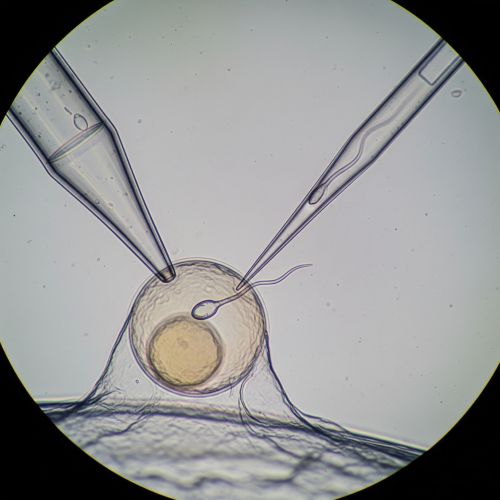
When a sperm analysis shows a very low sperm count, poor motility, or significant abnormalities in shape, the probability of spontaneous pregnancy or pregnancy with insemination is limited. Here, IVF combined with techniques like ICSI (injecting a sperm into an egg) allows us to utilize even highly compromised samples and offer a real option for achieving embryos.
Moderate or Severe Endometriosis
Endometriosis in moderate or severe stages can affect egg quality, pelvic anatomy, and the uterine environment, making implantation difficult. After an individual assessment, many patients with this diagnosis benefit more from proceeding directly to IVF, where we can stimulate the ovaries, obtain several eggs in one cycle, and select embryos with the best potential.
Advanced Maternal Age (>38 years) or Low Ovarian Reserve
From age 38 onwards, egg quantity and quality decline rapidly, directly impacting pregnancy chances. The same applies when, even in younger women, low ovarian reserve is detected in tests like the anti-Müllerian hormone test or antral follicle count. In these situations, IVF allows for optimizing each cycle, obtaining the highest possible number of eggs, and focusing efforts on embryos with the best prognosis.
Previous Artificial Insemination Failures
If you have already undergone several well-indicated artificial insemination cycles and still haven't achieved pregnancy, it's likely time to consider a change in strategy. IVF offers significantly higher success rates per attempt, especially when several factors are combined (age, sperm quality, time trying to conceive), and allows for a more detailed study of your ovarian response and embryo development.
.svg)
What does the IVF process involve? Step by step
Let's get started!
Specialized evaluation of the male factor
We perform complete semen analysis, sperm DNA fragmentation testing, and detailed morphological evaluation. Our AI system analyzes every parameter to define the best ICSI strategy. The next step is ovarian stimulation, which usually lasts 10 to 12 days.
During this time, we administer medication (typically subcutaneous injections) so that, instead of maturing just one egg as in a natural cycle, multiple eggs can mature at the same time.We see you for follow-up appointments and serial ultrasounds to adjust the dosage and safeguard your wellbeing. The goal is to find the right balance: retrieving enough high-quality eggs without overstimulating your ovaries.
Ovarian preparation and stimulation
Personalized stimulation protocol to retrieve the highest-quality eggs. Continuous monitoring with high-resolution ultrasound and hormonal analysis optimized by artificial intelligence. The next step is the egg retrieval. It's a short procedure (around 20 minutes) performed in an operating room, guided by ultrasound and under sedation, making it completely painless during the extraction.
Through a fine needle, the fluid from the follicles containing the eggs is aspirated. Afterward, you rest briefly in recovery, and you can go home that same day with clear instructions and close follow-up from our team.
Extraction of eggs and sperm
In our high-tech laboratory, the embryology team receives your eggs and sperm sample. Here, the in vitro fertilization:
- Or through IVF with ICSI, where we select a sperm and inject it directly into the egg when the male factor is more complex or we want to ensure fertilization.
- This can be done "conventionally" (eggs and sperm are placed together in a dish).
Egg extraction under conscious sedation and same-day sperm collection.
Sperm selection with AI
After fertilization, embryos are kept in embryo culture, usually for 3 to 5 days, while the lab team monitors their development. Our goal is to reach the blastocyst, when the embryo has already demonstrated good division capacity and has a higher implantation potential.
At this stage, we can assess:
- Number of viable embryos.
- Morphological quality (how they look and how they divide).
- If indicated in your case, genetic testing like PGT-A can be integrated in later stages, to analyze chromosomal health before transfer.
Embryo Transfer: The Embryo Comes Home
The embryo transfer is a procedure quick, painless, and anesthetic-free. We place the selected embryo into a very thin catheter, which is then guided through the cervix to carefully deposit it inside the uterus.
Many patients describe it as a sensation similar to a Pap smear, but with much more emotional weight: it's the moment when "the embryo comes home." Afterward, you can resume your usual activities with some gentle care recommendations.
Precision ICSI microinjection
Between 10 and 12 days after the transfer, we perform the blood pregnancy test (beta hCG). This period feels like an eternity for many, which is why we support you with clear instructions on medication, expected symptoms, and warning signs.
Whatever the outcome, you are not alone:
- If the test is positive, we continue with follow-up appointments to confirm the pregnancy is progressing well.
- If this attempt is unsuccessful, we review the entire cycle, the embryos obtained, and if there are vitrified embryos remaining, we define the next steps together.
When you understand the In Vitro Fertilizationprocess step-by-step, it stops being a "black box" and becomes a concrete plan. During your consultation at Avida Fertility we review your history and test results, and adapt each of these stages to your body and your family planning goals.
How Much Does In Vitro Fertilization Cost in Mexico?
The reality is that there is no single price, because every body is different. Rather than fixating on a number, what really matters is understanding what you're paying for and what factors actually drive the cost of IVF in Mexico.
Why Does the Cost Vary So Much?
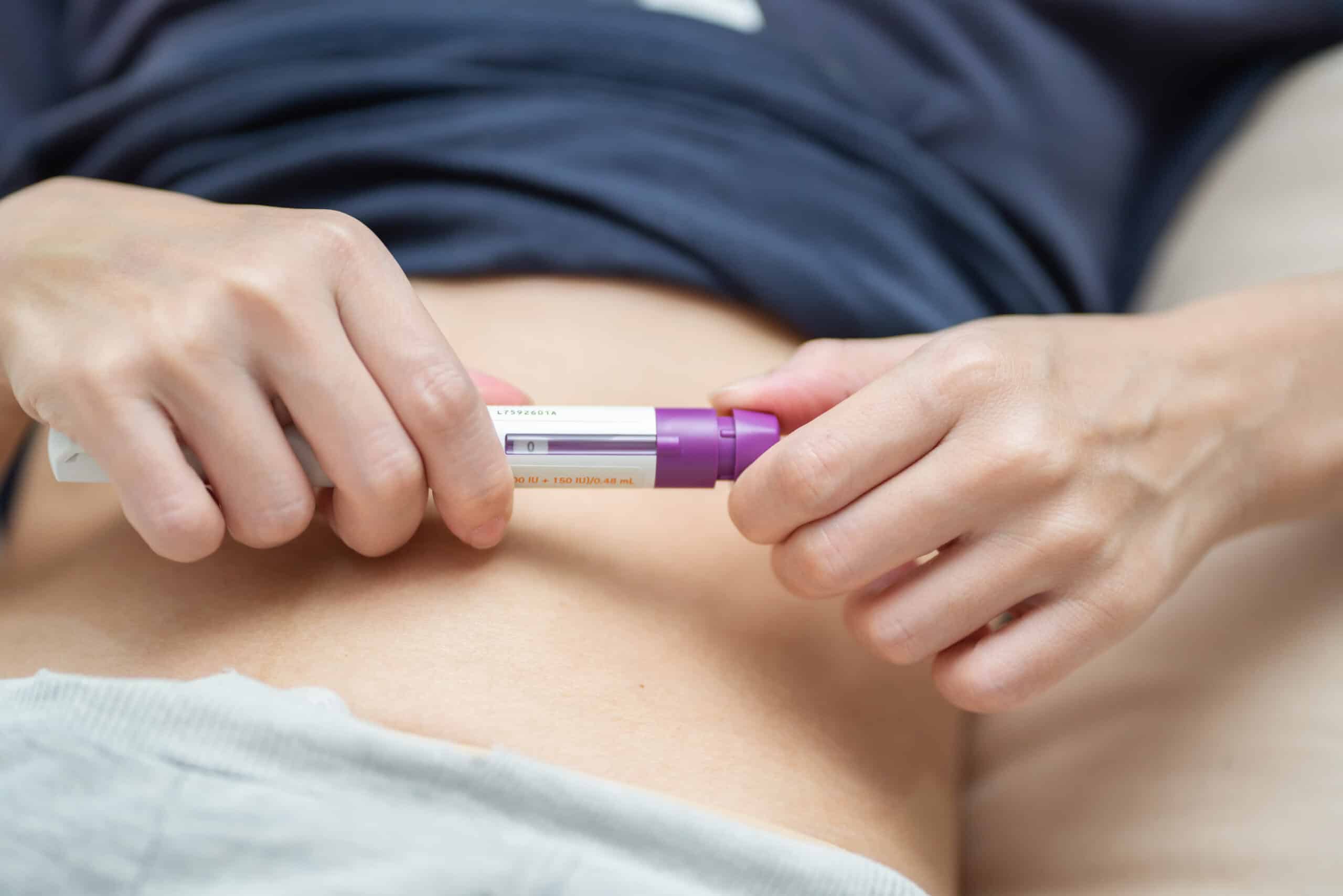
The dosage and type of medication vary based on ovarian reserve, age, and weight; a low reserve may require more intensive protocols.
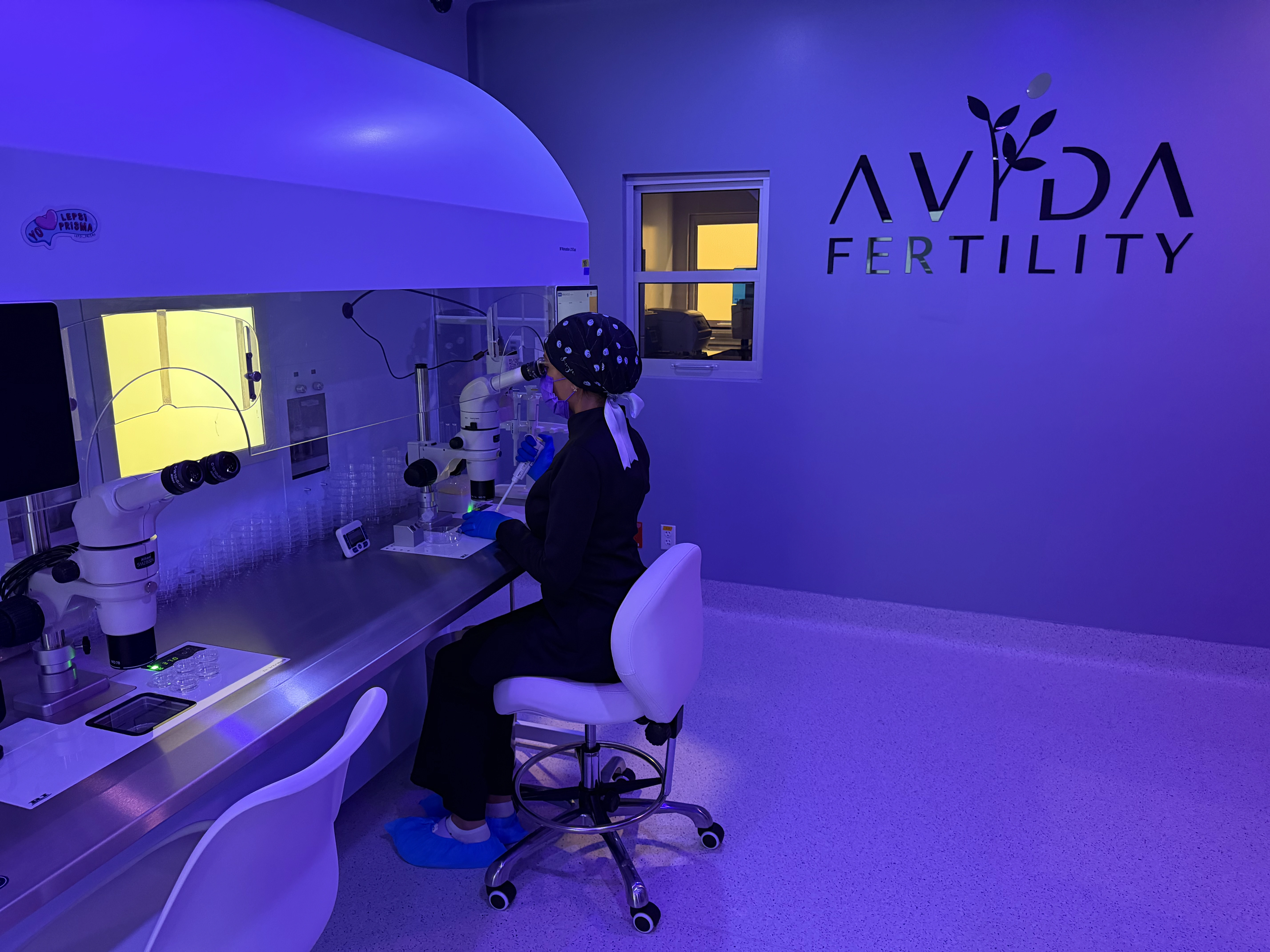
It's not the same to allow sperm to fertilize an egg in a petri dish as it is to perform IVF with ICSI, where a single sperm is injected directly into the egg to overcome complex male factor infertility.

In certain cases, PGT-A is added, a test that analyzes the embryo's chromosomes before transfer and increases the cycle cost.
IVF vs. Insemination: Investment and Probabilities
It's also important to put the cost into context. For young women, intrauterine insemination typically offers a 10–20% chance of pregnancy per cycle, while IVF can approach 40–50% per attempt, depending on age and diagnosis—meaning up to three or four times higher probability of achieving pregnancy.
Therefore, when deciding between continuing with multiple insemination cycles or investing in an IVF cycle, we don't just look at the price per cycle, but rather the cost per probability of pregnancy and the time you're willing to keep trying. During your IVF consultation at Avida Fertility, we review your tests and priorities to provide you with a clear, transparent quote and guide you toward the treatment that makes the most sense for you.
Advantages of IVF vs. Other Treatments
When you're deciding between In Vitro Fertilization (IVF) and other fertility treatments, such as artificial insemination, it's natural to wonder if taking “the next step” is truly worth it. A clear way to look at it is to compare success rates, complexity, and for which type of patient each option is designed.
IVF for All Family Models

Female Couples and the ROPA Method. For female couples, IVF makes the ROPA method possible, where one partner provides the eggs to be fertilized and the other carries the pregnancy. This way, both actively participate: one as the genetic mother and the other as the gestational mother, sharing the experience of motherhood.

When ovarian reserve is very low or there is a genetic problem preventing the use of one's own eggs, IVF with donated eggs (egg donation) may be considered. In this case, eggs from a donor are fertilized in the laboratory, and the embryo is then transferred to the recipient's uterus. This option is particularly useful for women with premature menopause, very advanced maternal age, or several previous failed attempts.

We use state-of-the-art equipment and innovative techniques, supported by AI-powered ultrasound, to maximize your chances of success. This way, we eliminate uncertainty and adjust each step of your treatment based on exact data, not assumptions.

For transgender individuals, IVF allows for treatment planning that considers both gender identity and the effects of hormone therapies. In these cases, it is common to integrate fertility preservation strategies and close coordination with the medical team.
Your diagnosis in expert hands: our fertility specialists
Co-founder and CEO
Surgeon with an MBA and extensive experience in healthcare project management.

Obstetrician-gynecologist and specialist in human reproductive biology

Biologist specializing in clinical embryology and andrology
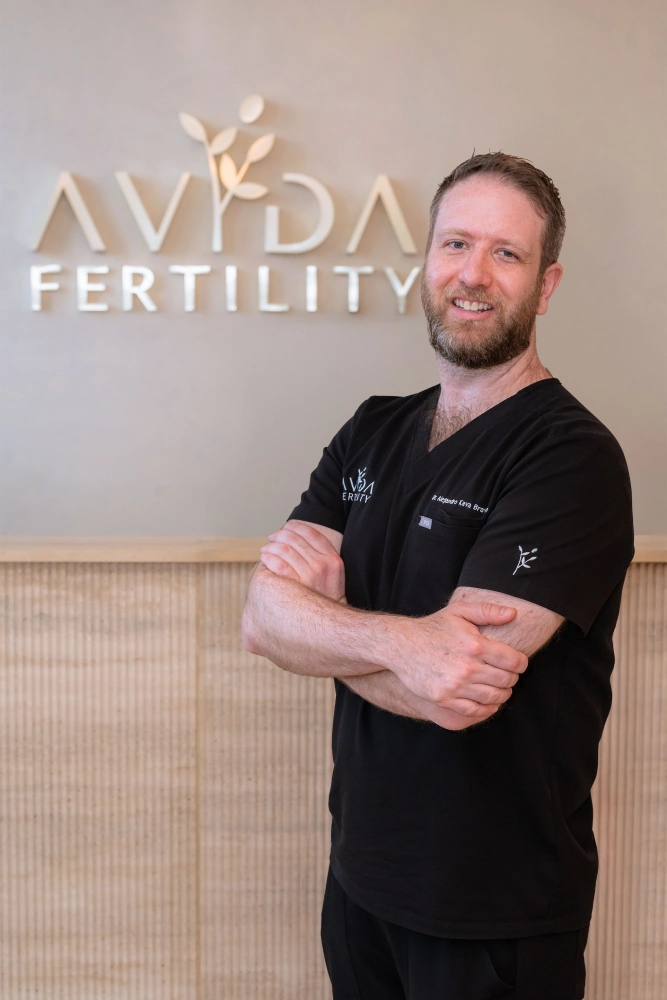
Obstetrician-gynecologist and specialist in human reproductive biology
Our Clinic and Laboratory in CDMX



.webp)


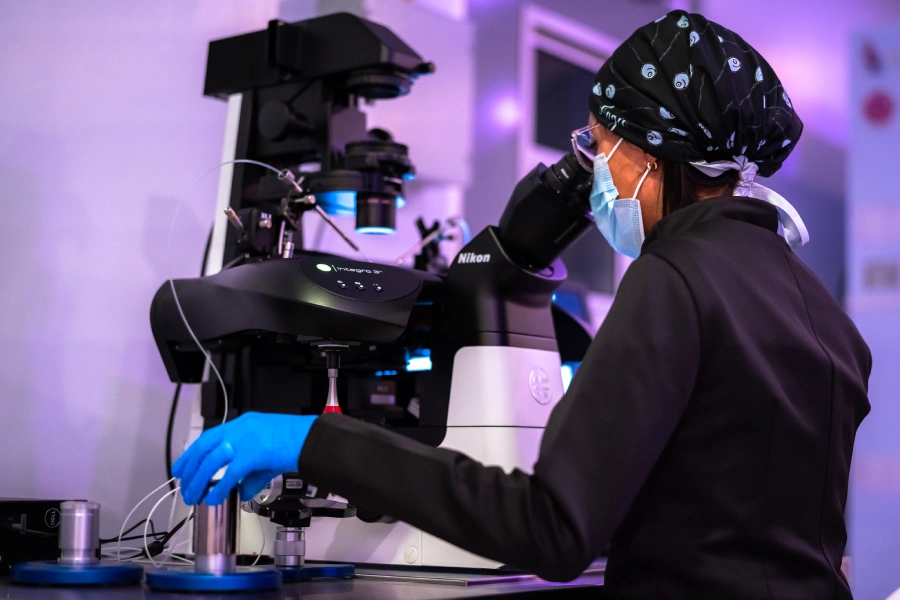

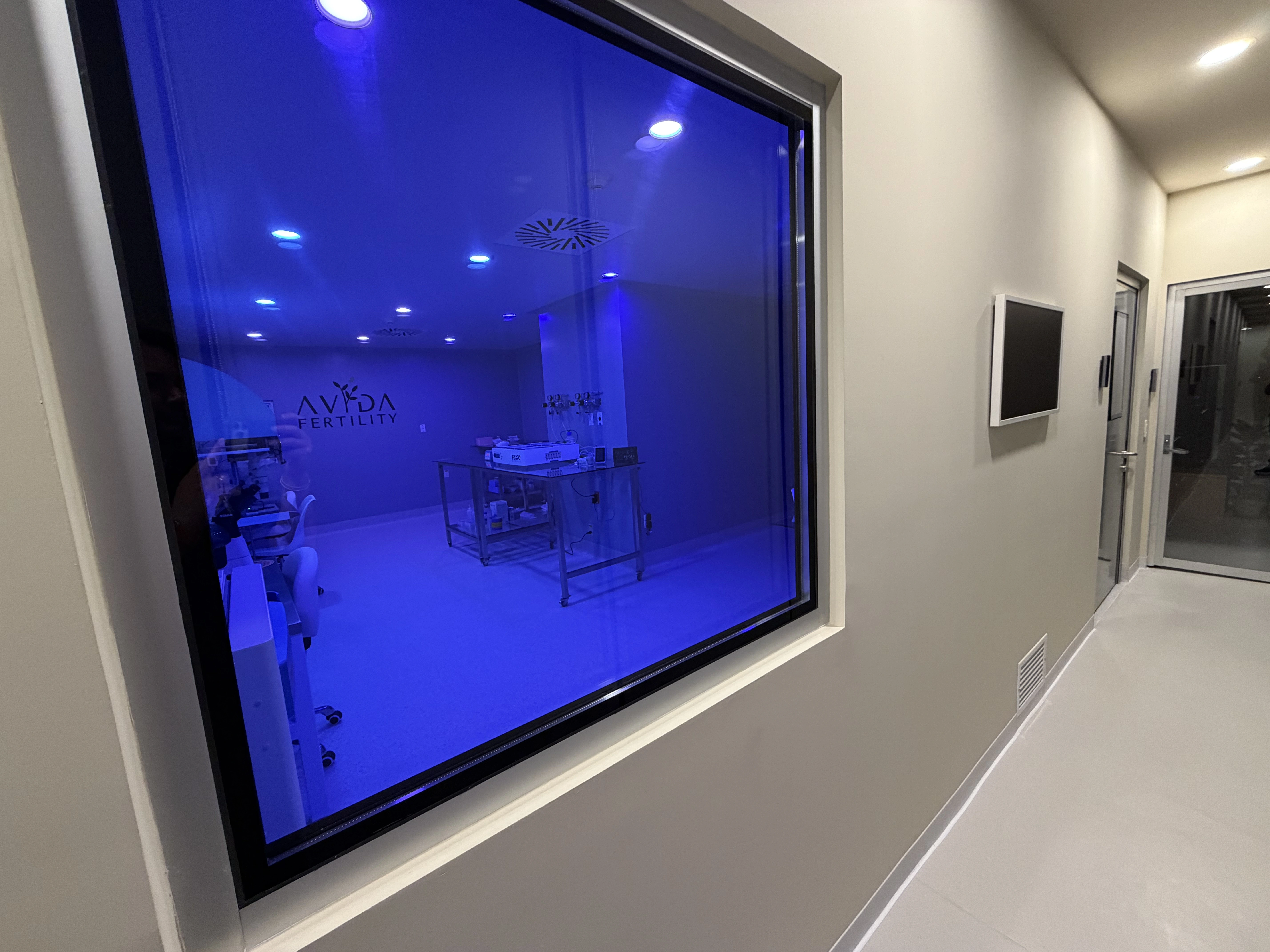
At Avida, we have a fertility clinic with its own high-complexity laboratory in the metropolitan area of CDMX, in Huixquilucan. This allows us to control every step of the diagnostic process and adhere to the standards recommended by the best assisted reproduction units regarding laboratory quality and sample handling.
Our facility offers:
- Advanced in-house laboratory, designed to perform the main fertility tests under strict control and traceability conditions, as laboratory quality is a key factor in assisted reproduction outcomes.
- Private and comfortable sample collection rooms, designed to provide discretion, reduce anxiety, and fully respect your privacy during sample collection.
- Modern consultation rooms and waiting areas in an easily accessible area of CDMX/Huixquilucan, making it easy to get to your appointment whether you come by car, private, or shared transport, allowing you to focus on what truly matters: your diagnostic and treatment process.
Our patients




.jpg)

.png)
Frequently Asked Questions about In Vitro Fertilization (IVF)
What is the success rate of IVF on the first attempt?
For women under 35, the IVF success rate is usually around 50–60% per cycle, depending on the diagnosis and the lab. When genetic testing of embryos (PGT-A) is added and healthy blastocysts are selected, this probability can approach figures around 70%.
What is the age limit for In Vitro Fertilization (IVF)?
Egg quality significantly decreases after age 40–42, which significantly lowers the chance of pregnancy with one's own eggs. In many cases, egg donation is considered from that age onwards, which can offer real pregnancy options up to approximately age 50, depending on the individual case.
Does in vitro fertilization (IVF) hurt?
No. The most "invasive" part is the follicular puncture (egg retrieval), which is performed in an operating room, guided by ultrasound and under sedation, so you shouldn't feel any pain during the procedure. Embryo transfer is quick, done without anesthesia, and many patients describe it as discomfort similar to a Pap smear.
How long does the entire IVF process take?
A complete IVF cycle usually takes between 3 and 4 weeks: around 10–12 days of ovarian stimulation, the day of egg retrieval, 3 to 5 days of embryo culture until the blastocyst stage, and finally, the transfer and a blood pregnancy test about 10–12 days later.
Can I choose the baby's sex with IVF?
The genetic study of embryos (PGT-A) allows us to determine, among other information, the chromosomal sex before transfer. In some regulatory contexts, this can be used to select embryos of a specific sex; it is always evaluated on a case-by-case basis, respecting the current legal framework and ethical principles.
What is the difference between conventional IVF and ICSI?
In conventional IVF, eggs and sperm are placed in the same dish, and fertilization occurs "spontaneously" in the laboratory. In IVF with ICSI, however, the embryologist selects a single sperm and directly injects it into the egg. This approach is beneficial when the male factor is more complex or when we want to ensure fertilization.
Is it possible to have twins with IVF?
Yes, it is possible if two embryos are transferred in the same cycle, which increases the risk of multiple pregnancies. At Avida Fertility, we typically prioritize Single Embryo Transfer, especially when we have good quality blastocysts, as it reduces complications and maintains excellent chances of achieving a healthy pregnancy.
Are there financing plans for IVF in CDMX?
Many patients need to plan their financial investment over time. At Avida Fertility in CDMX, we can guide you on financing options and agreements with financial institutions to make IVF treatment payments more flexible, always with transparent budgets and no hidden costs. We will review this with you during your consultation.
What happens to the leftover embryos?
When, after IVF, we obtain several good quality embryos and decide to transfer only one or two, the remaining embryos can be vitrified (frozen) for future attempts. This allows for new transfer cycles without repeating the entire ovarian stimulation and egg retrieval process, and also offers the possibility of trying for another child later on.
What happens if I don't get pregnant on the first try?
If a first attempt isn't successful, it doesn't mean that treatment "won't work for you." We review the entire cycle: ovarian response, egg and embryo quality, transfer, and supportive medication. If vitrified embryos are available, we can plan a new transfer; it's also possible to adjust the protocol to optimize the chances for the next attempt.
Visit our Fertility Center in CDMX


Leave us a message.
.svg)


©2026 AVIDA FERTILITY™
Dr. Daniel Pascal Pontón
Professional License SEP: 13928465

.svg)
.svg)
