
ROPA Method in Mexico: Shared Motherhood
If you're looking to understand what the ROPA method involves, here you'll find who it's for, how it works step-by-step, and what determines the cost in Mexico, explained with medical clarity and human sensitivity.
If this path resonates with you, schedule an assessment to confirm if the ROPA Method aligns with your medical history and what you are looking for as a family.
What is the ROPA method and how does it work?
The roles are clearly defined:
- The biological mother undergoes ovarian stimulation and provides the eggs.
- The gestational mother prepares her uterus for the transfer and carries the pregnancy.
Therefore, both require medical evaluation, although the tests and approach differ depending on their role.
A key point to avoid confusion: the ROPA Method is not artificial insemination (IUI). In ROPA, there is fertilization and embryo culture in the laboratory before transfer, which differentiates it from other treatments.
Who is the ROPA Method recommended for?

The ROPA Method is indicated for female couples who desire shared motherhood, where both actively participate in the reproductive process, albeit in different roles. It is usually recommended in scenarios such as:
How does the in vitro fertilization procedure work?


When one partner provides the eggs and the other carries the pregnancy, optimizing the chances due to ovarian or uterine health issues.
Couple's Project and Decision
When the choice of who donates and who carries the pregnancy is purely based on your preferences and life plan, provided it is medically viable.
Desire for Shared Motherhood
When you are looking for an assisted reproduction alternative where both partners have an active physical and biological role in the arrival of your baby.
.svg)
ROPA Method step-by-step: from the first consultation to the pregnancy test
Let's get started!
Initial assessment for both
With the ROPA method, your plan is built for two from the start, because it isn't the same for the partner who'll provide the eggs and the one who'll carry the pregnancy. For one, we design the stimulation protocol; for the other, the endometrial preparation that will receive the embryo.
Sperm donor selection
Personalized stimulation protocol to obtain the highest quality eggs. Continuous monitoring with high-resolution ultrasound and hormonal analysis optimized by artificial intelligence.
Ovarian stimulation and monitoring
The biological mother receives medication to stimulate her ovaries, and follicular monitoring is performed.
Sperm selection with AI
The eggs are retrieved and fertilized in our high-tech fertility laboratory. ICSI is used if indicated and embryo cultureis performed.
Endometrial preparation
The gestational mother prepares her uterus to receive the embryo at the appropriate time.
Embryo transfer and the wait
The embryo is transferred, and the waiting period begins until the pregnancy test.
Surplus embryos
If there are any, they can be cryopreserved for future attempts or subsequent decisions.
ROPA Method Cost in Mexico: What it includes and what it depends on
While this range typically covers the medical consultation, the In Vitro Fertilization (IVF) laboratory, and the embryo transfer, the exact amount will always depend on each couple's biological needs.
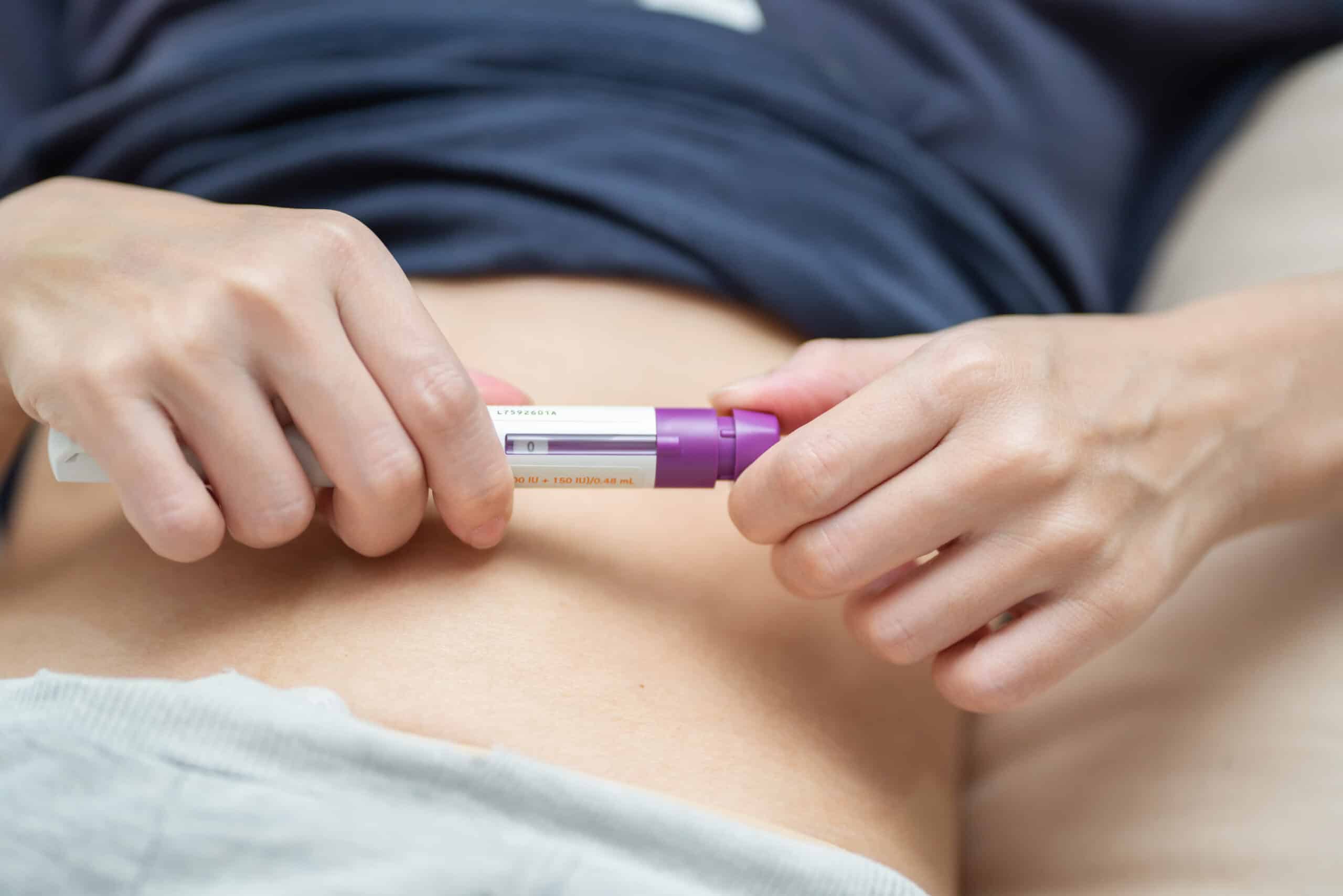
Doses are customized for both the partner providing the eggs (stimulation) and the gestational partner (uterine preparation).
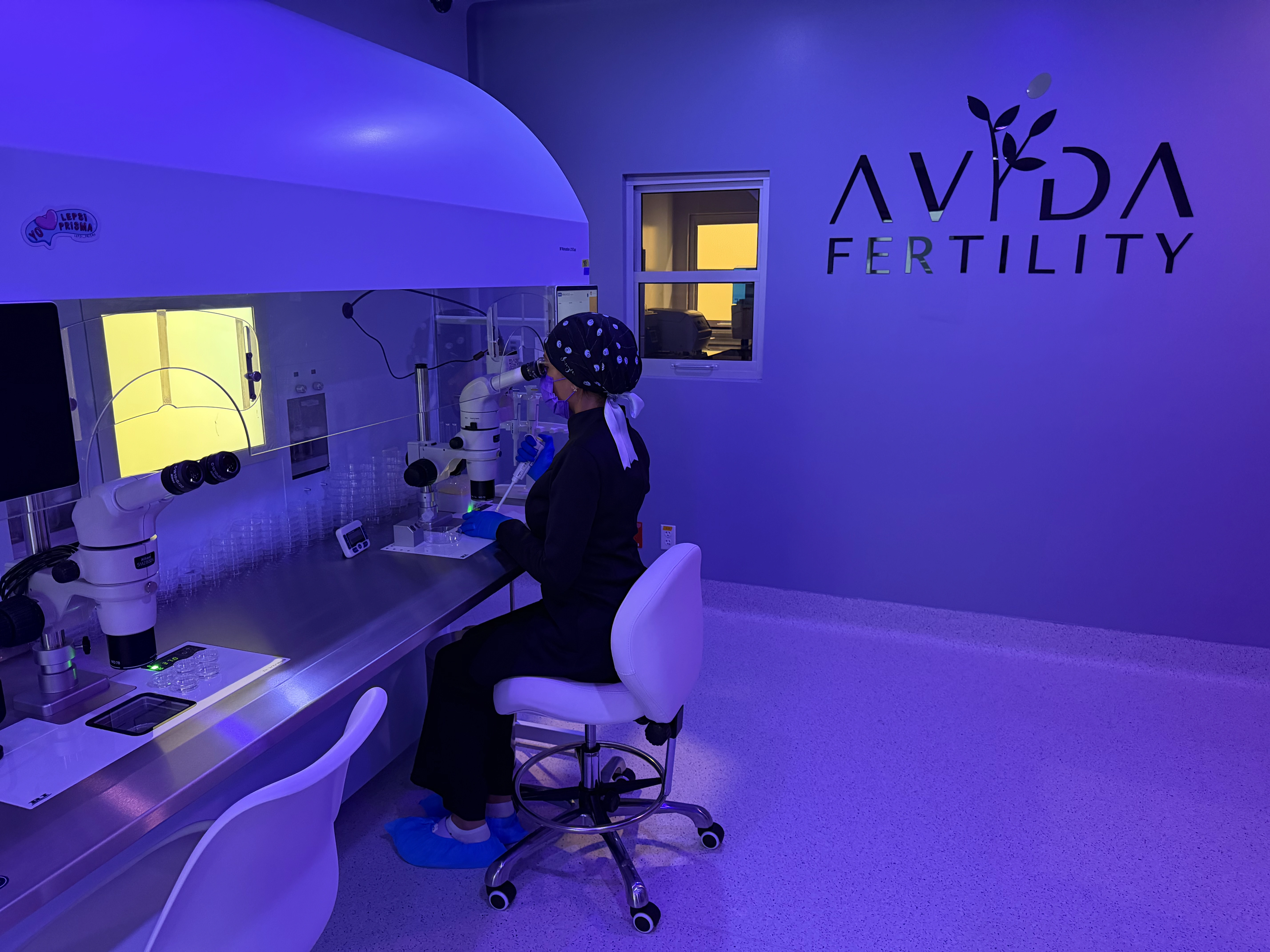
Whether conventional IVF or advanced intracytoplasmic sperm injection (ICSI) techniques are used.
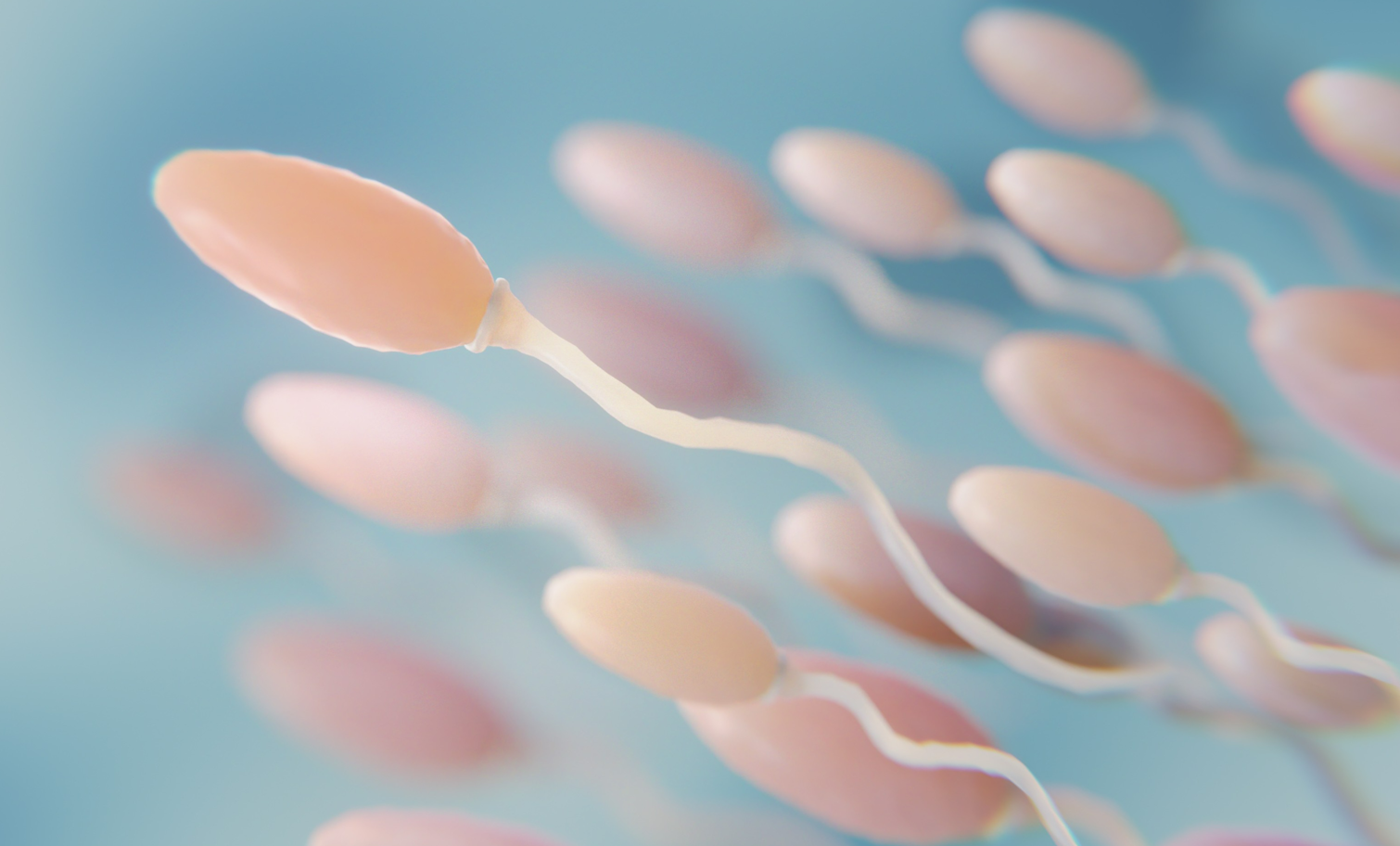
Costs associated with selection and transport from the sperm bank.

Genetic testing before or during embryonic development.
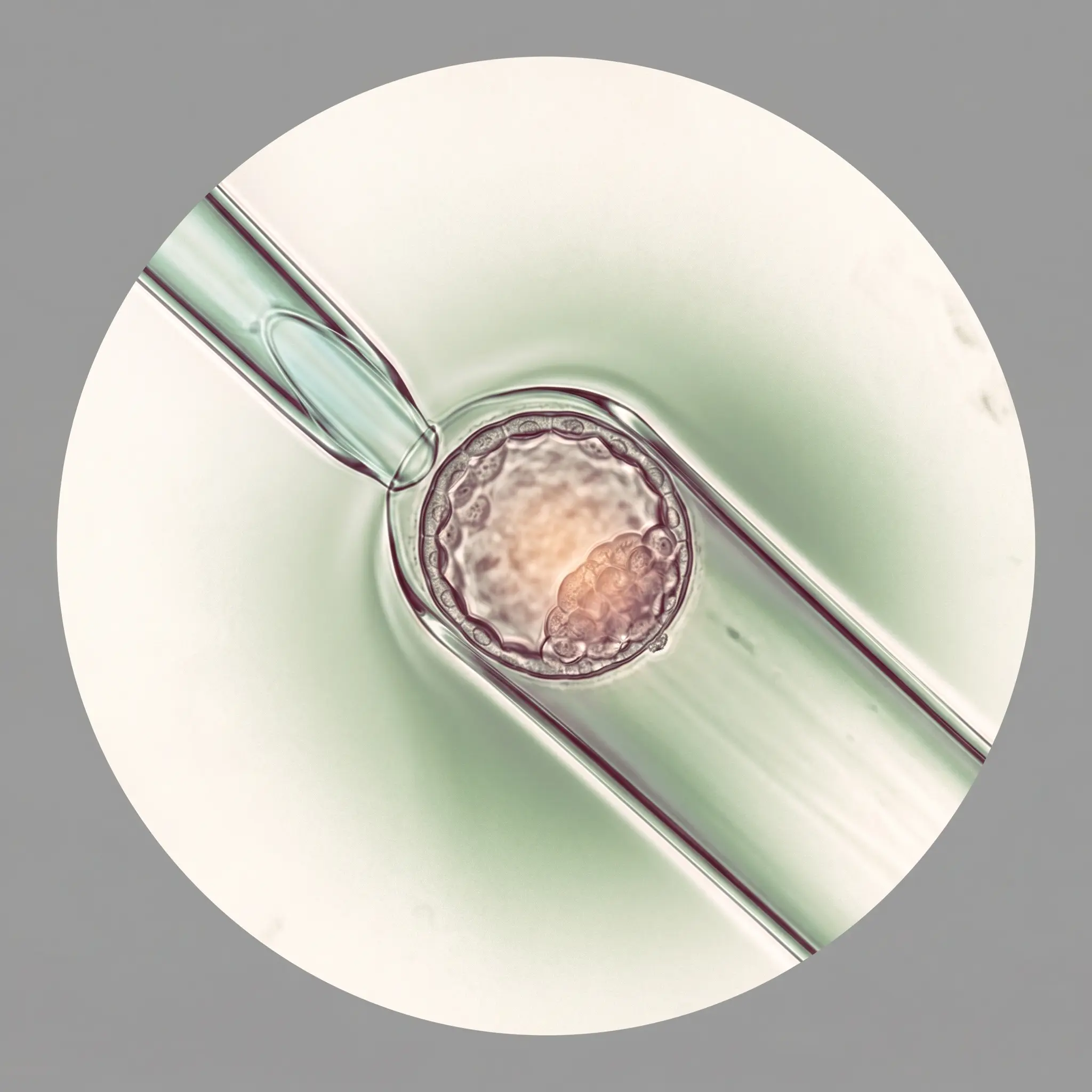
If there are surplus embryos
Depending on the clinical progression of your treatment.
It's important to be clear: sometimes, a very low initial price omits key steps, medication, or continuous medical support, which ultimately impacts your emotional and financial experience. At Avida Fertility, we will always provide you with a detailed written breakdown of costs. We want you to make decisions based on transparency and real value, not on sales "hooks."
Get a quote for your personalized treatmentROPA Method vs. Donor Insemination (DI) vs. IVF: Which option is right for you?
There is no "best" treatment for everyone. The choice depends on how you wish to start your family, your medical history, and your life plan.
ROPA Method: Who does the baby resemble?
Meet Your Assisted Reproduction Specialists
The ROPA Method requires a coordinated clinical and laboratory team. At Avida Fertility, each stage is supported by reproductive biology specialists with real experience in reciprocal IVF and shared motherhood in CDMX.
Our approach is clear from the first consultation: listen to your story, conduct studies, explain options in simple language, and define a personalized and ethical medical plan, without unrealistic promises.
Co-founder and CEO
Surgeon with an MBA and extensive experience in healthcare project management.

Obstetrician-gynecologist and specialist in human reproductive biology

Biologist specializing in clinical embryology and andrology
Obstetrician-gynecologist and specialist in human reproductive biology
Our Clinic and Laboratory in Interlomas



.webp)


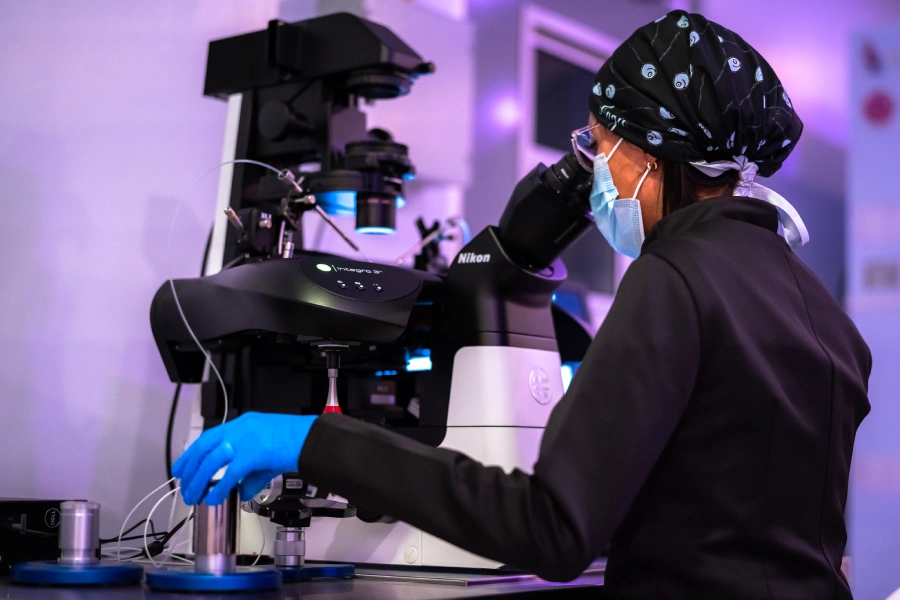

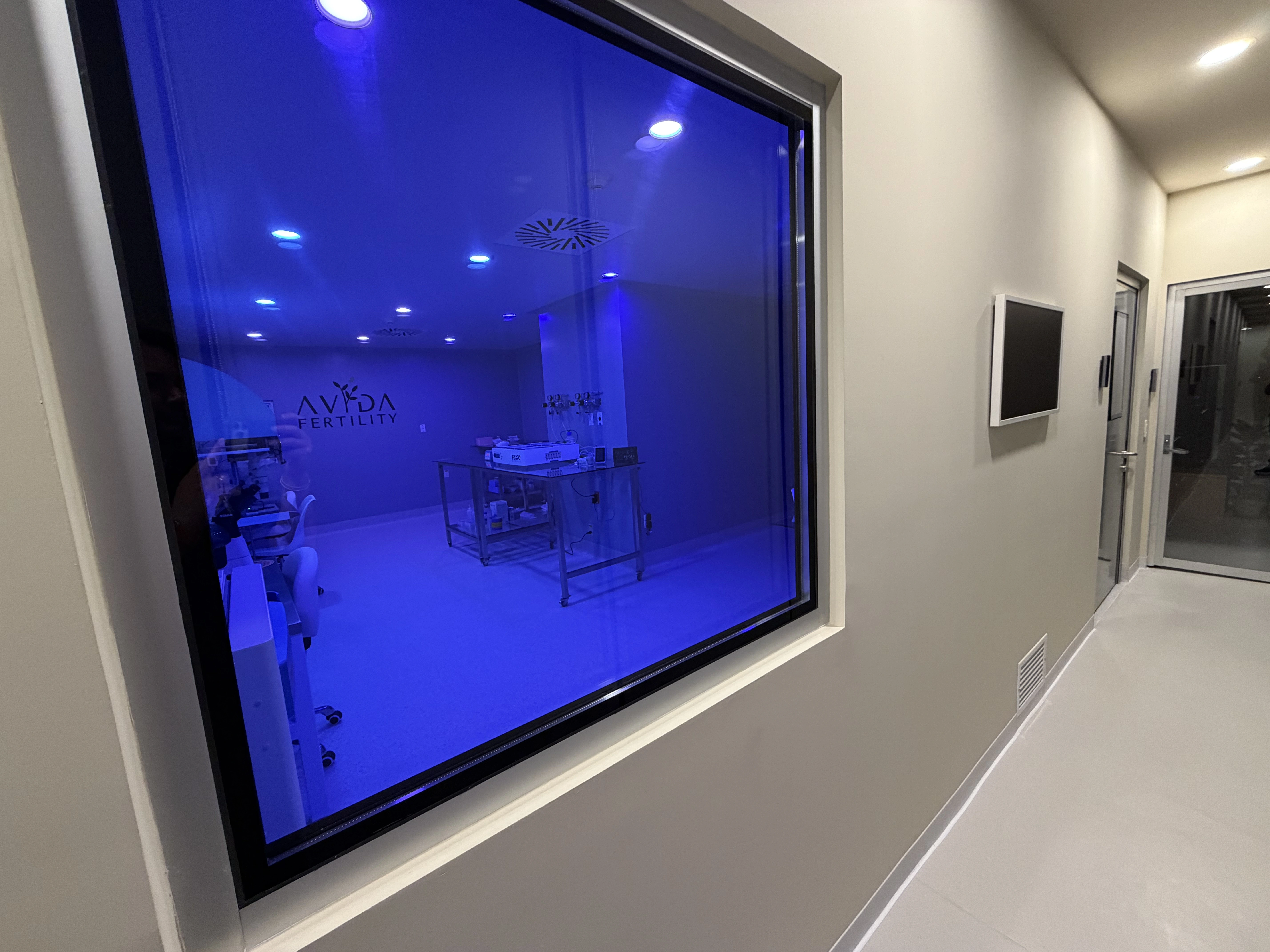
This is where the process becomes tangible. Our clinic and laboratory in the State of Mexico are designed to support you with privacy, clarity, and technology at every stage of the ROPA Method. From the initial consultation to the IVF laboratory, everything happens in one location, which facilitates clinical coordination and reduces unnecessary travel.
We operate under current health regulations and the provisions of the Federal Commission for the Protection against Sanitary Risks (COFEPRIS). We strictly maintain confidentiality and consent: we do not use identifiable patient images or share sensitive information without express authorization.
Our commitment is for you to feel safe, informed, and respected, from the moment you walk through our doors to every medical decision we make together.
Our patients




.jpg)

.png)
Frequently Asked Questions about the ROPA Method
How does the ROPA method work?
The ROPA Method stands for Reception of Oocytes from the Partner. One partner provides the eggs (genetic mother) and the other carries the pregnancy (gestational mother). The process includes ovarian stimulation, egg retrieval, in-vitro fertilization, and embryo transfer.
Is the ROPA method legal in Mexico?
Yes, it is completely legal in Mexico. Once the baby is born, the only step required is to register both partners as the baby's legal mothers.
How effective is the ROPA method?
Effectiveness is not the same for all couples. It depends on age, ovarian reserve, uterine health, embryo quality, and the medical protocol. During your consultation, we will explain realistic probabilities, without making promises.
How many injections are needed for the ROPA method?
It varies depending on the protocol. Generally, the biological mother receives injectable medication during ovarian stimulation. The number and duration are personalized and clearly explained before starting.
How much does the ROPA method cost in Mexico?
For 2026, the average price of the ROPA method in Mexico ranges from $90,000 to $180,000 MXN per cycle. The cost depends on the clinical plan and variables such as medication, lab work, tests, and freezing. The best way to determine the exact cost is through a medical evaluation and personalized quote.
Who will the baby resemble with the ROPA method?
Genetic resemblance depends on who provides the egg and the sperm donor, as this is where the DNA is defined. The gestational parent provides the pregnancy environment, without altering the genetics.
Visit our Fertility Center in CDMX


Leave us a message.
.svg)


©2026 AVIDA FERTILITY™
Dr. Daniel Pascal Pontón
Professional License SEP: 13928465

.svg)
.svg)
