

Fertility and Assisted Reproduction Treatments in CDMX
Finding the ideal fertility treatment in CDMX is not just about choosing between in vitro fertilization or artificial insemination; it is about designing a medical plan tailored to your history. At Avida, we integrate everything from low-complexity solutions to high-tech laboratory services, always following safety protocols and scientific evidence.
If you are unsure when to see a specialist, you can follow this simple rule:
- Under 35 years old: request an evaluation if you have been having regular unprotected intercourse for 12 months without achieving pregnancy.
- 35 years or older: request an evaluation after 6 months of trying, or sooner if you are already aware of any condition that may affect your fertility.
If you find yourself in any of these situations, the following sections will explain how our fertility specialists in CDMX review your case and design a personalized protocol before recommending the most suitable fertility treatment. Later on, you will see, with complete transparency, how much a fertility treatment costs in CDMX and what factors influence that investment.
Tres caminos, un mismo estándar
Opciones de preservación de fertilidad en Avida
En Avida Fertility ofrecemos tres opciones principales de preservación: congelación de óvulos, congelación de esperma y congelación de embriones. Cada una responde a una necesidad y a un momento de vida diferente, y todas comparten el mismo estándar de seguridad y seguimiento.
-
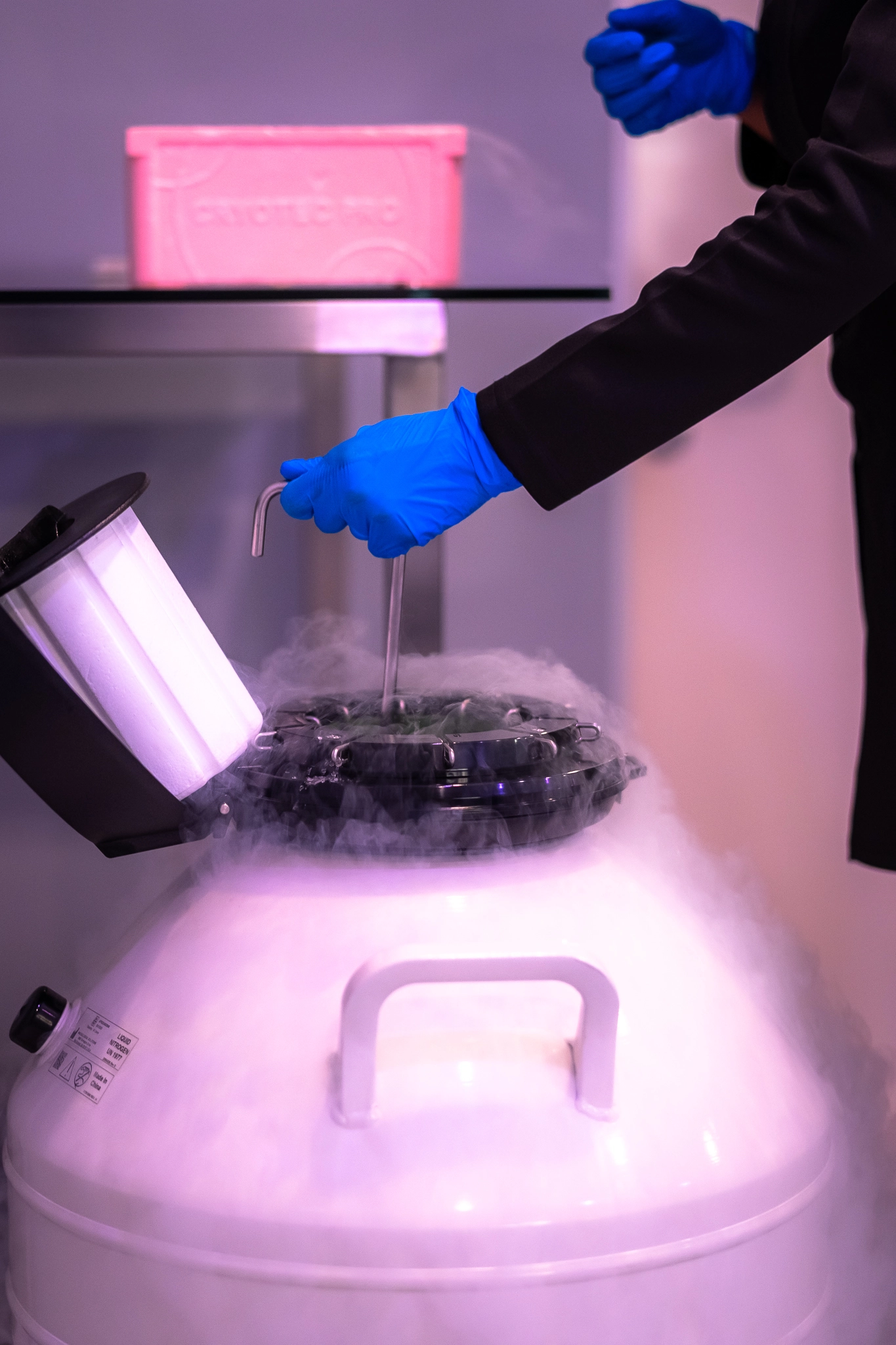 Preservación con ovarios
Congelación de óvulos
- Estimulación ovárica controlada
- Vitrificación de óvulos maduros
- Sin pareja definida
La congelación de óvulos es ideal para mujeres y personas con ovarios que desean preservar óvulos obtenidos a su edad actual para intentar utilizarlos en el futuro. El proceso implica una estimulación ovárica controlada para obtener varios óvulos maduros, que luego se vitrifican y almacenan. Puede ser una opción para quienes aún no tienen una pareja definida o un proyecto de embarazo inmediato. Congelar óvulos conserva una posibilidad reproductiva futura, pero no garantiza un embarazo.
Próximamente podrás consultar el proceso, los cuidados y las consideraciones por edad en una página dedicada.
-
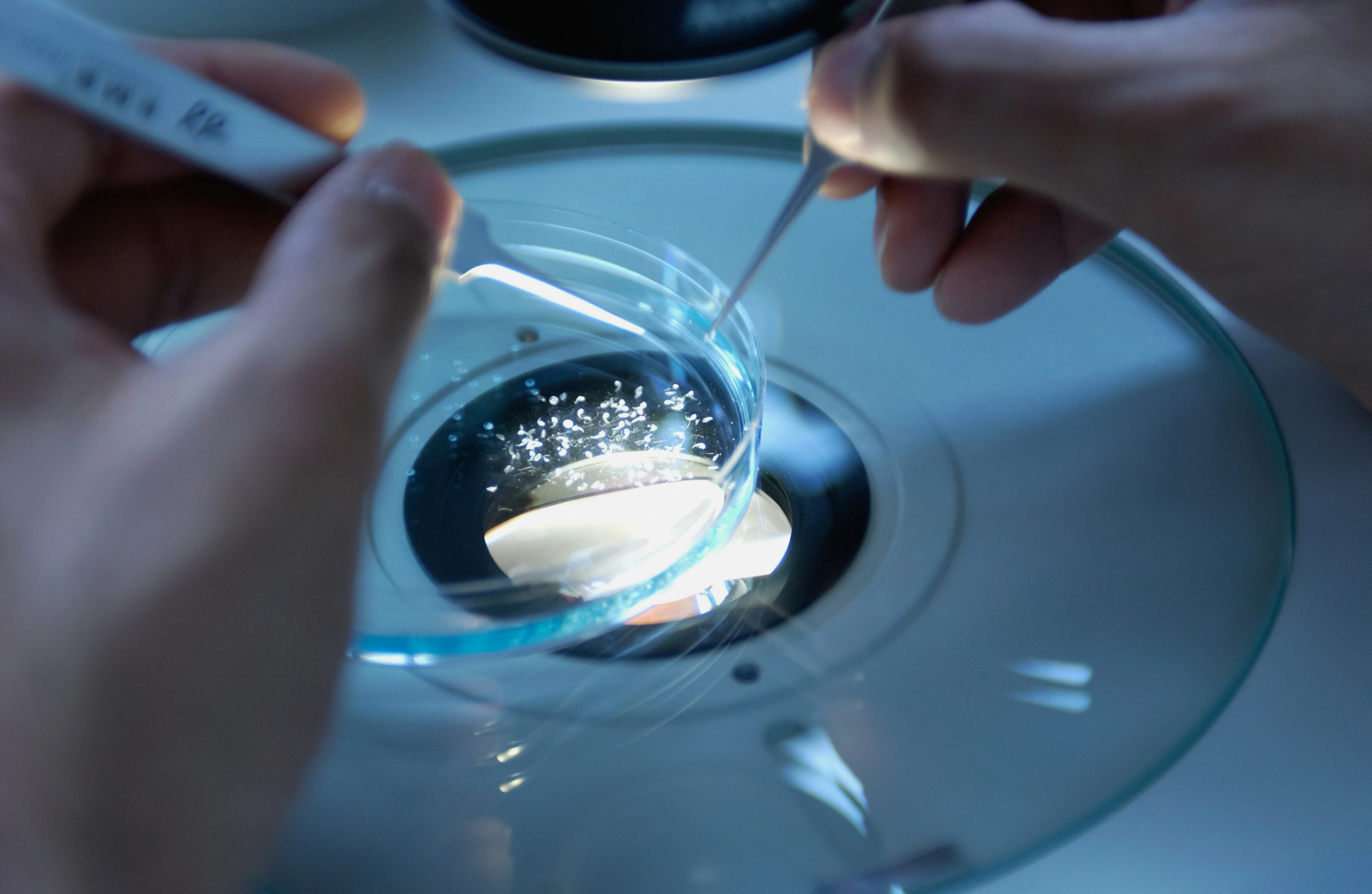 Preservación masculina
Congelación de esperma
- Sin medicamentos
- Recolección habitual no invasiva
- Análisis, procesamiento y criopreservación
La congelación de esperma permite guardar muestras seminales para intentar utilizarlas en el futuro. La recolección habitual de la muestra no requiere medicamentos ni procedimientos invasivos. Es ideal para hombres antes de una vasectomía, antes de tratamientos oncológicos, para quienes tienen profesiones de riesgo, o para quienes desean conservar una opción reproductiva para más adelante. La muestra se analiza, se procesa y se criopreserva para usarla más adelante en un tratamiento de reproducción asistida.
Próximamente podrás consultar en detalle cómo funciona la congelación de esperma.
-
.webp) Preservación en pareja o con donante
Preservación en pareja o con donanteCongelación de embriones
- Requiere un ciclo de FIV
- Gametos propios o de donante
- Embriones ya formados
La congelación de embriones es ideal para parejas o personas que ya cuentan con óvulos y esperma (propios o de donante) y quieren preservar embriones ya formados para un embarazo futuro. Requiere un ciclo previo de fertilización in vitro (FIV), en el que se fecundan los óvulos en laboratorio y se vitrifican los embriones resultantes. Las probabilidades de embarazo dependen, entre otros factores, de la edad al obtener los óvulos, la calidad embrionaria y las características de cada caso.
Próximamente podrás consultar el proceso, los tiempos y las consideraciones de la congelación de embriones.
Your 4-Step Path to Pregnancy
Regardless of whether you end up with intrauterine insemination (IUI), IVF, or a combined treatment, the journey can be understood as follows: first, we understand the causes; then, we design the plan; next, we carry out the treatment; and finally, we confirm the pregnancy and define the follow-up.
Let's get started!
Comprehensive diagnosis


Por razones personales o profesionales, y quieren decidir su momento sin la presión del calendario.
The first step is to understand what is happening with both partners or the individual seeking consultation. ASRM guidelines recommend a systematic evaluation: a complete medical history, physical examination, hormone studies, transvaginal ultrasound, and semen analysis, among others.
For you, this usually translates into:
The goal is not to label you, but to find the root cause so we can propose a realistic path aligned with the evidence.
Plan design
Antes de iniciar quimioterapia o radioterapia, cuando la preservación se vuelve parte del cuidado integral (oncofertilidad).
With the results in hand, the team reviews the complexity of the case (age, ovarian reserve, male factor, medical history, time spent trying to conceive) and designs a personalized protocol. ASRM recommendations emphasize choosing interventions proportional to the problem and the duration of infertility, avoiding both under-treatment and unnecessarily complex procedures.
At this stage:
Here you can also ask about timelines, the number of suggested attempts, and "plan B" scenarios if the first approach does not yield the expected result.
Results and Personalized Treatment Plan:
Unordered liOnce the plan is clear, the practical steps of the treatment begin. Although the details vary depending on the technique, the guidelines always describe a structured cycle: controlled stimulation, monitoring, the main procedure, and aftercare.
Depending on your case, this may include:
Everything is performed under validated protocols and quality controls, such as those included in the RedLARA registry, which emphasizes safety, traceability, and outcome monitoring in accredited centers.
Pregnancy test and follow-up
A few days after the procedure (IUI or embryo transfer), a blood pregnancy test is scheduled, which is the most sensitive way to determine if the cycle was successful. Clinical recommendations typically suggest a beta-hCG test about 10–14 days after insemination or transfer to avoid false negatives or premature positives.
In this step:
Parejas que quieren planificar a futuro
Parejas que prefieren congelar embriones para un proyecto de familia posterior.
Hombres antes de una vasectomía
Para asegurar su fertilidad frente al paso del tiempo.
Costos en México
¿Cuánto cuesta la preservación de la fertilidad en México?
El costo de preservar tu fertilidad en México depende de la técnica que elijas y de tu caso particular. No es lo mismo congelar óvulos, que requiere estimulación y medicamentos, que congelar esperma, un proceso más sencillo, o congelar embriones, que parte de un ciclo de FIV previo.
Estos son los factores que definen el costo de cada opción
-
Con estimulación
Congelación de óvulos
Influyen tu respuesta a la estimulación, los medicamentos que necesites y el número de ciclos.
Referencia del mercado mexicano≈ $85,000 MXNPor ciclo de congelación de óvulos; precios publicados desde $50,000 y alrededor de $100,000 MXN. -
La más sencilla
Congelación de esperma
Es la opción más sencilla, ya que no requiere medicamentos ni procedimientos invasivos.
Referencia del mercado mexicano≈ $10,000 MXNPor congelación de esperma; las ofertas consultadas van de $7,000 a $13,000 MXN según muestras e inclusiones. -
Parte de un ciclo de FIV
Congelación de embriones
Depende del ciclo de FIV previo, porque implica fecundar los óvulos antes de vitrificar los embriones.
Referencia del mercado mexicano≈ $90,000 MXNPor ciclo para crear y congelar embriones; las ofertas consultadas van de $60,000 a $120,000 MXN. -
Concepto aparte
Almacenamiento anual
Se suma como un concepto aparte por la conservación segura de tu material.
Aplica a las tres opciones
Precios orientativos del mercado mexicano; no son tarifas de Avida Fertility. Son referencias aproximadas basadas en precios publicados por clínicas, no un promedio estadístico nacional. Medicamentos, estudios, más ciclos y almacenamiento posterior pueden cobrarse aparte; cada paquete incluye conceptos distintos.
Conoce tu plan real
Cada uno de estos elementos cambia de una persona a otra, así que la mejor forma de conocer tu plan real es una valoración personalizada, donde un especialista revisa tu caso y te explica con claridad qué incluye tu proceso.
En la valoración puedes comparar las tres opciones y confirmar qué conceptos incluiría tu cotización.
Sin costo · Una asesora te contacta en horario de atención
Meet our Reproductive Specialists
When you choose a fertility treatment, you are also choosing the team that will make complex decisions about your health. At Avida, your treatment is in the hands of board-certified reproductive specialists, not just general gynecologists, in line with recommendations from societies like ASRM for high-complexity cases and the use of advanced techniques such as IVF or PGT-A.
Our team combines expertise in fertility treatment for women (low ovarian reserve, endometriosis, implantation failure) and fertility treatment for men (severe semen abnormalities, need for ICSI, or other procedures), working alongside embryologists and nursing staff who undergo continuous training, as promoted by ASRM educational and accreditation programs and Latin American networks like RedLARA.
Estos son algunos de nuestros diferenciadores:
- Inclusividad real: un espacio seguro para parejas del mismo sexo, personas solas y personas trans, sin prejuicios y con acompañamiento especializado.
- Equipo certificado: contamos con especialistas como el Dr. Daniel Pascal Pontón, el Dr. Alejandro Kava Braverman y el Dr. Horacio Méndez Filgueira, con formación en biología de la reproducción.
- Trazabilidad total: cada muestra se almacena con seguimiento periódico y revisión anual, para que sepas que tu material está seguro.
- Certificación COFEPRIS: operamos con el permiso 253300201A1949, cumpliendo con la normativa sanitaria mexicana.
- Respaldo y presencia: nuestra labor ha sido reconocida en medios como Cosmopolitan, Newsweek, Caras y El Economista.
- Ubicación estratégica: atendemos en CDMX y Estado de México, con acceso cómodo para pacientes de la zona metropolitana.
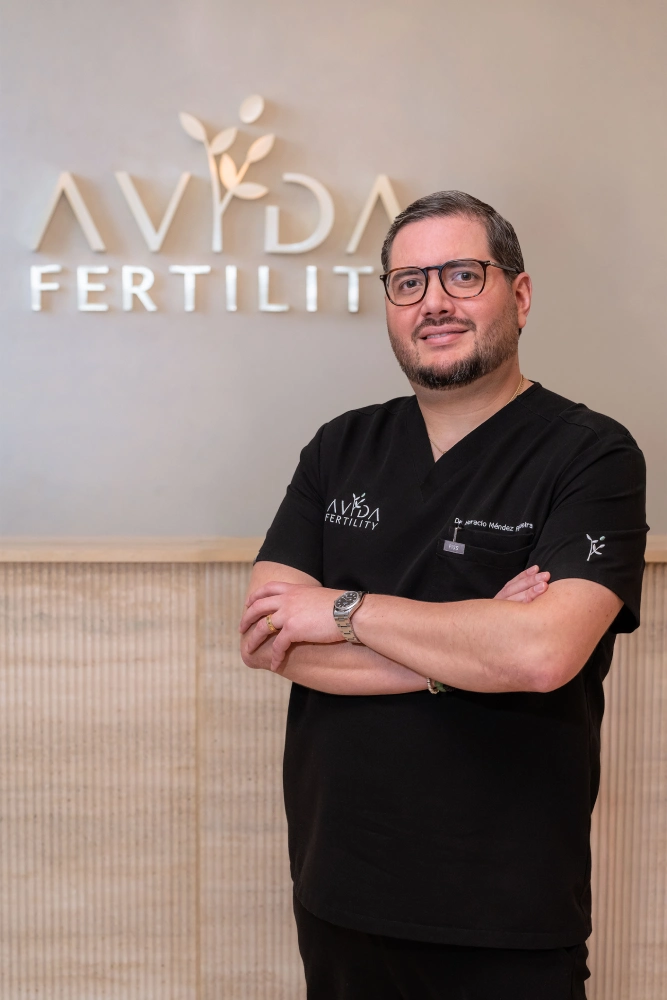
Co-founder and CEO
Surgeon with an MBA and extensive experience in healthcare project management.

Obstetrician-gynecologist and specialist in human reproductive biology

Biologist specializing in clinical embryology and andrology
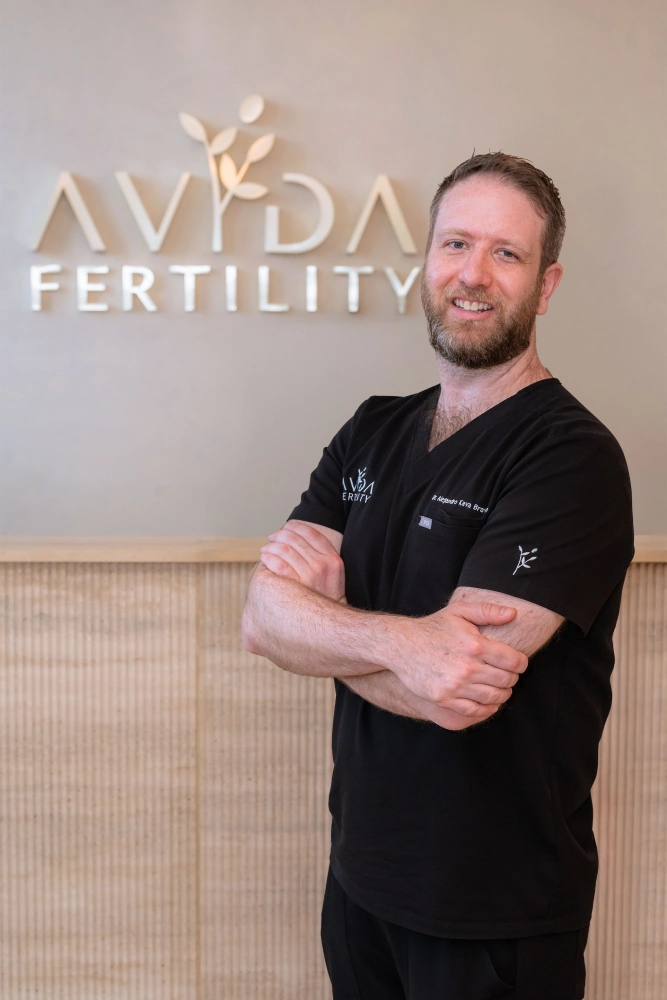
Obstetrician-gynecologist and specialist in human reproductive biology
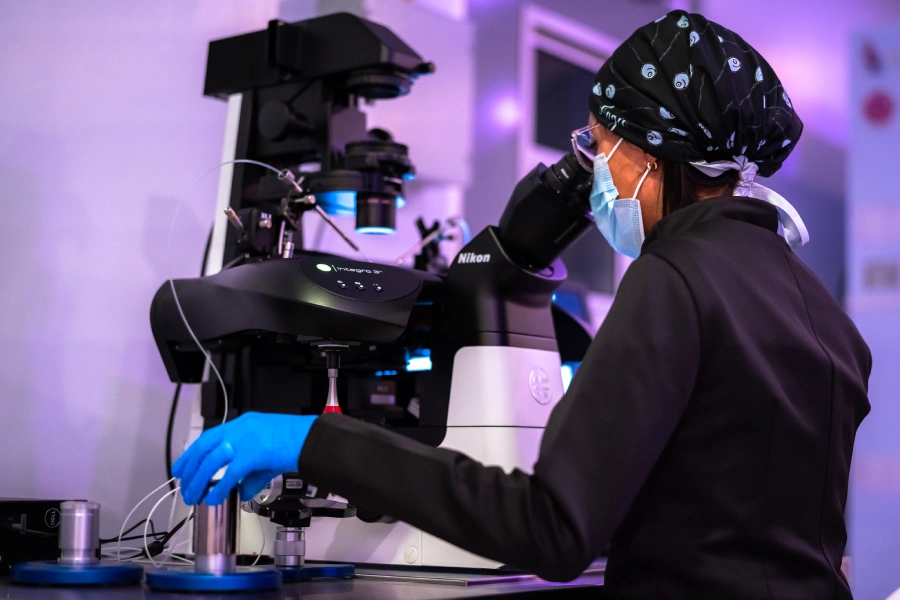
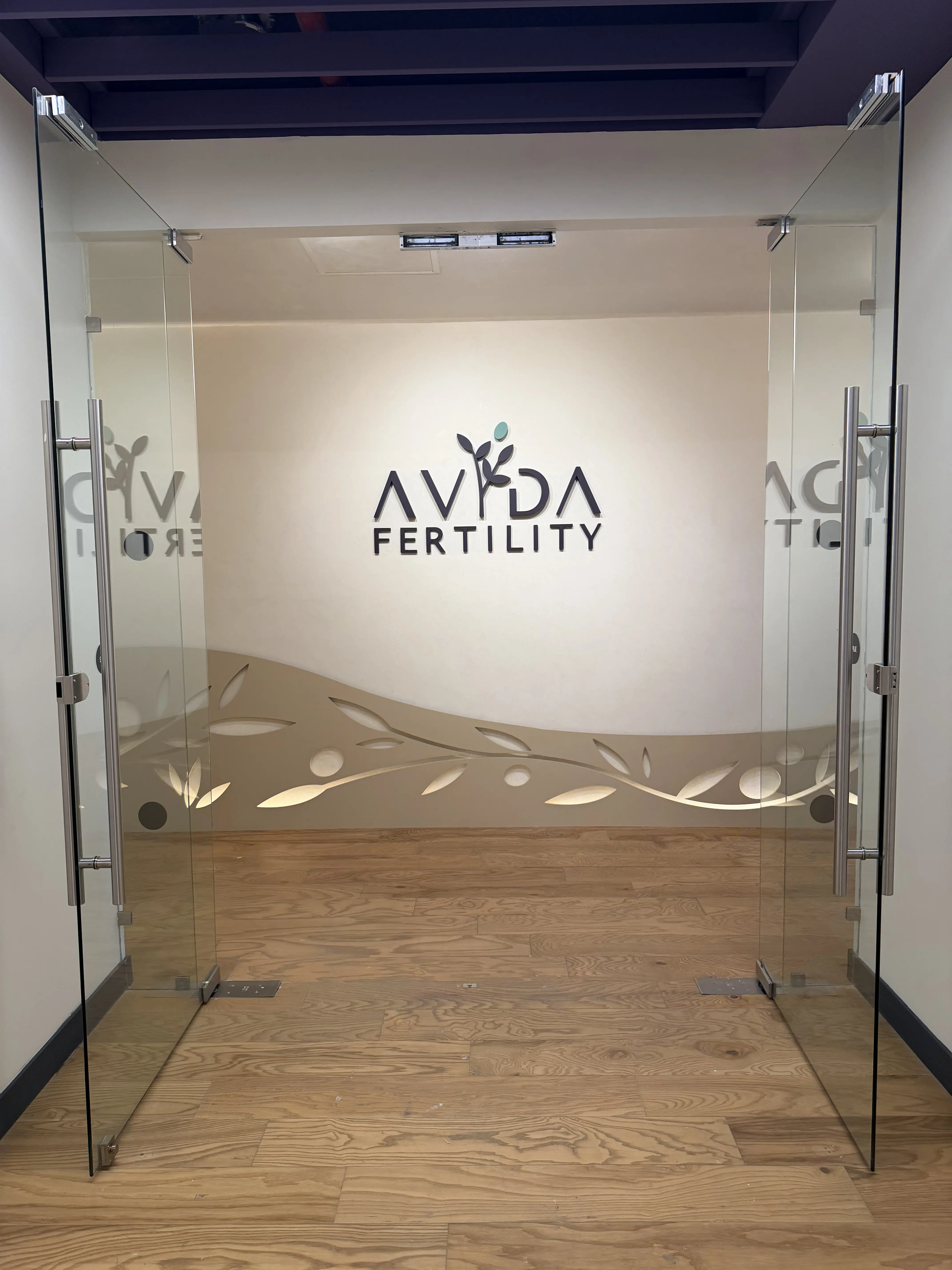
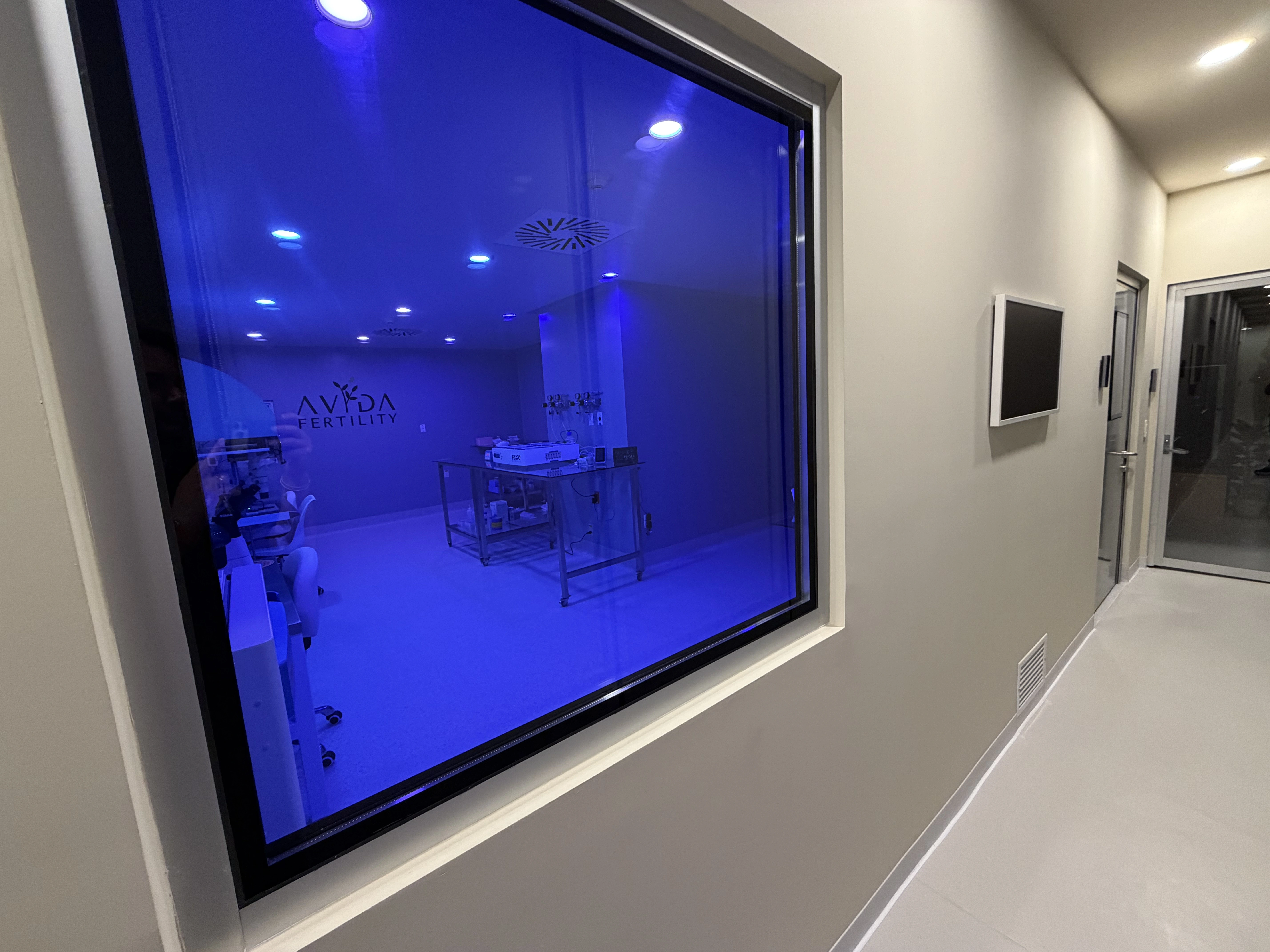
Our Clinic and Laboratory in CDMX



.webp)


Visit our Fertility Center in CDMX


Leave us a message.
Frequently Asked Questions About Fertility Treatments
What is the difference between Artificial Insemination and IVF?
In both cases, we are talking about a fertility treatment, but in Artificial Insemination, fertilization occurs inside the body: prepared sperm are placed directly into the uterus at the time of ovulation. In IVF, eggs are fertilized in the laboratory and the embryos are then transferred to the uterus.
What is the best treatment for women over 40?
For women aged 40 or older, high-complexity fertility treatment, generally IVF, is usually recommended. Depending on ovarian reserve and medical history, the team may suggest IVF with PGT-A to select chromosomally healthy embryos or consider egg donation, always following a comprehensive assessment and medical counseling.
Are fertility treatments painful?
Modern fertility treatment is considered minimally invasive. Stimulation usually causes discomfort similar to premenstrual syndrome. Artificial insemination can cause mild cramping and lasts only a few minutes. The egg retrieval for IVF is performed under sedation, so you should not feel pain, only some minor discomfort afterward.
How much does a fertility treatment cost at Avida Fertility?
At Avida, we do not work with generic packages or a single flat fee. The cost is determined after your assessment, based on your diagnosis, the complexity of the protocol, medication, and additional techniques. This allows us to offer you a transparent quote that is consistent with your clinical situation and your goals.
What is the success rate of fertility treatments?
The success rates of a fertility treatment depend on age, diagnosis, and the technique used. In general, IVF offers higher probabilities than Artificial Insemination, and in certain cases, IVF with PGT-A can improve embryo selection. Records from ASRM, SART, and RedLARA show variations across age groups.
What medications or supplements do you recommend to improve fertility?
We do not recommend self-medication or the use of "fertility pills" without supervision, as they can disrupt your hormonal cycle. At Avida, we use Ovulation Induction protocols with controlled medications under strict ultrasound monitoring to ensure their effectiveness and safety.
Do you offer options for same-sex couples or single women?
Yes, we are an inclusive clinic with specialized protocols. For female couples, we offer the ROPA Method (Shared Motherhood) or Artificial Insemination. For single women, we have a certified sperm bank. For male couples, we provide medical and legal guidance for surrogacy processes.
.svg)


©2026 AVIDA FERTILITY™
Dr. Daniel Pascal Pontón
Professional License SEP: 13928465

.svg)
.svg)
