Age 32, good ovarian reserve
Tends to land at the lower end of the range, with a standard protocol and a single cycle.


How much does egg freezing cost in Mexico? The 2026 market range for the egg freezing procedure in Mexico is $60,000 to $90,000 MXN (about $3,500–$5,300 USD), not counting medications or pre-cycle testing. With those, the full process runs up to $155,000 MXN (about $9,100 USD). In the United States, a base cycle alone is around $9,900 USD. This guide compares Mexico to the US cost by cost, so you know what to expect before you book your egg freezing consultation.
$60,000 — $90,000 MXN
Base egg freezing procedure, before medications and testing · 2026 market reference (≈ $3,500–$5,300 USD)
2026 market ranges
In Mexico, the base egg freezing procedure (consultation, monitoring, retrieval and vitrification) costs $60,000 to $90,000 MXN, about $3,500–$5,300 USD, compared with around $9,900 USD for a base cycle in the US. Medications and pre-cycle testing are quoted separately: with them, the full process in Mexico runs $75,000 to $155,000 MXN. Your exact price depends on your age, your ovarian reserve and your protocol.
Swipe the table horizontally to see all columns →
| Component | Mexicomarket range · MXN (≈ USD) | United Statesreference · USD |
|---|---|---|
| Base procedure (consultation, monitoring, retrieval, vitrification) | $60,000 – $90,000≈ US$3,500 – $5,300 | $9,900 |
| Stimulation medications (billed separately) | $15,000 – $60,000≈ US$900 – $3,500 | $4,500 – $6,000 |
| Full process (procedure + medications + pre-cycle testing) | $75,000 – $155,000≈ US$4,400 – $9,100 | $14,400 – $15,900before testing |
| Annual storage (from year two onward) | $5,000 – $10,000≈ US$300 – $600 | $600* |
* In the US, some packages include the first year of storage at no extra cost. At Avida Fertility, the first year of storage is included. If you compare with another clinic, confirm whether theirs is included or billed separately.
These ranges are Mexican market references, not Avida's fees. Avida Fertility gives you a personalized quote at your first consultation, and your final cost depends on your clinical profile.
Tends to land at the lower end of the range, with a standard protocol and a single cycle.
Tends to land at the higher end, and may need a second cycle to reach the number of eggs recommended for her age.
These scenarios are illustrative, not a real quote. Your exact budget is defined at your evaluation.
Anatomy of a quote
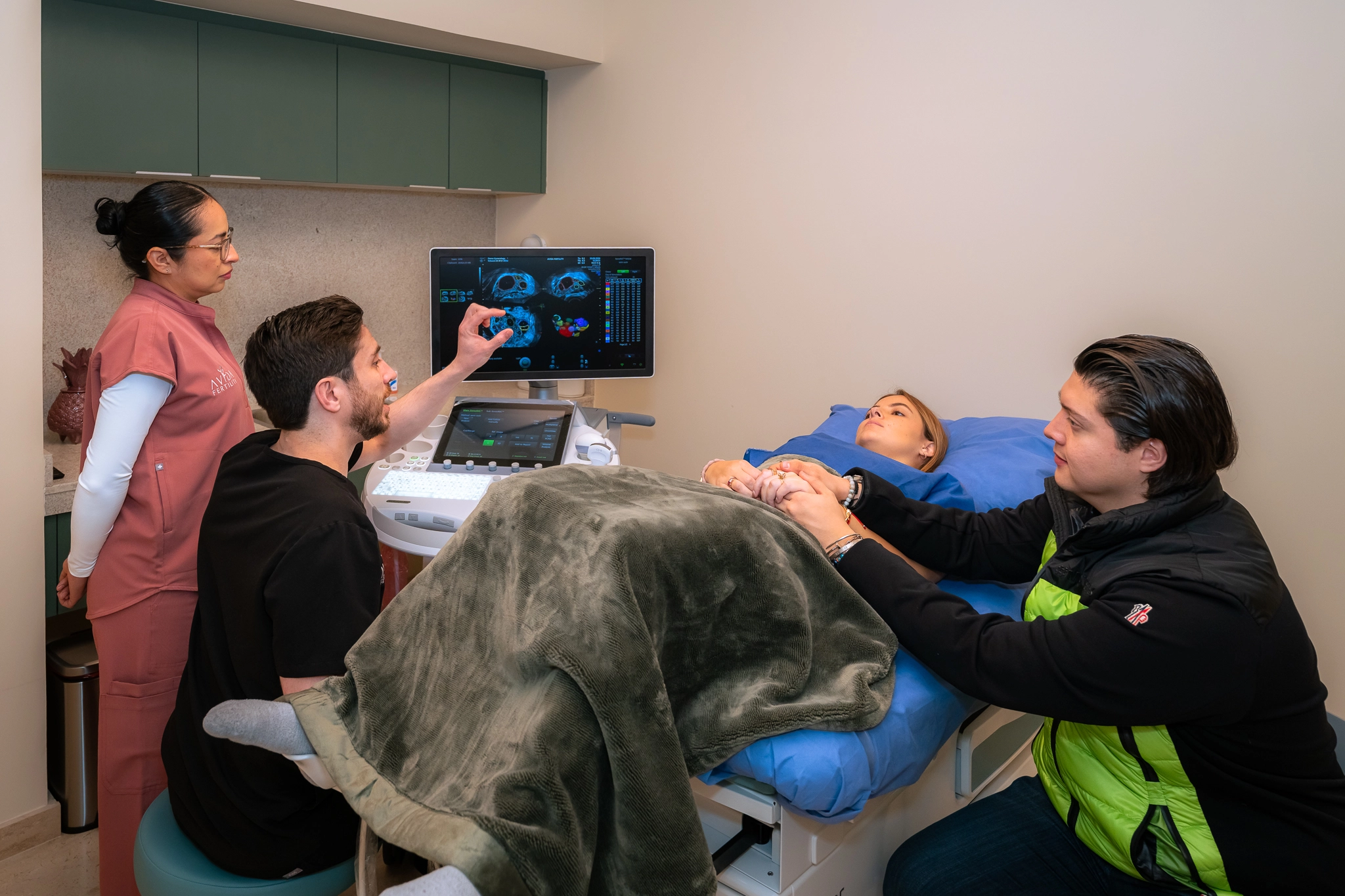
Before you compare prices between clinics, check exactly what each quote covers. A complete egg freezing procedure should include the following.
What exactly does the quoted price include?
Are third-party fees billed separately?
Does the facility hold a current COFEPRIS operating notice? (COFEPRIS is Mexico's federal health regulator.)
A clear, itemized breakdown is the best sign there will be no surprises later.
Your final cost depends on five main factors: your clinical profile, your protocol, your medications, how many cycles you need and the lab technology your clinic uses.
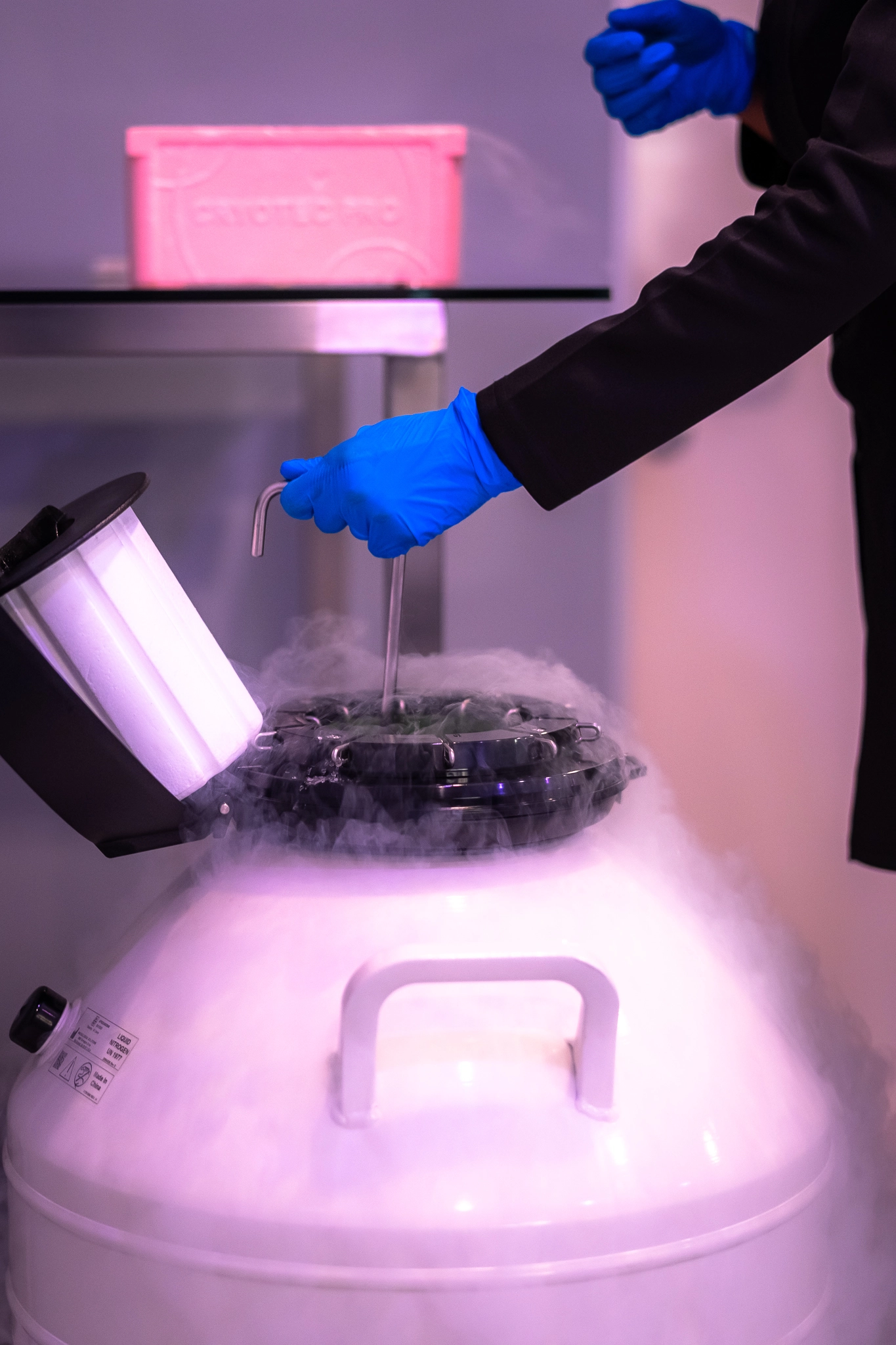
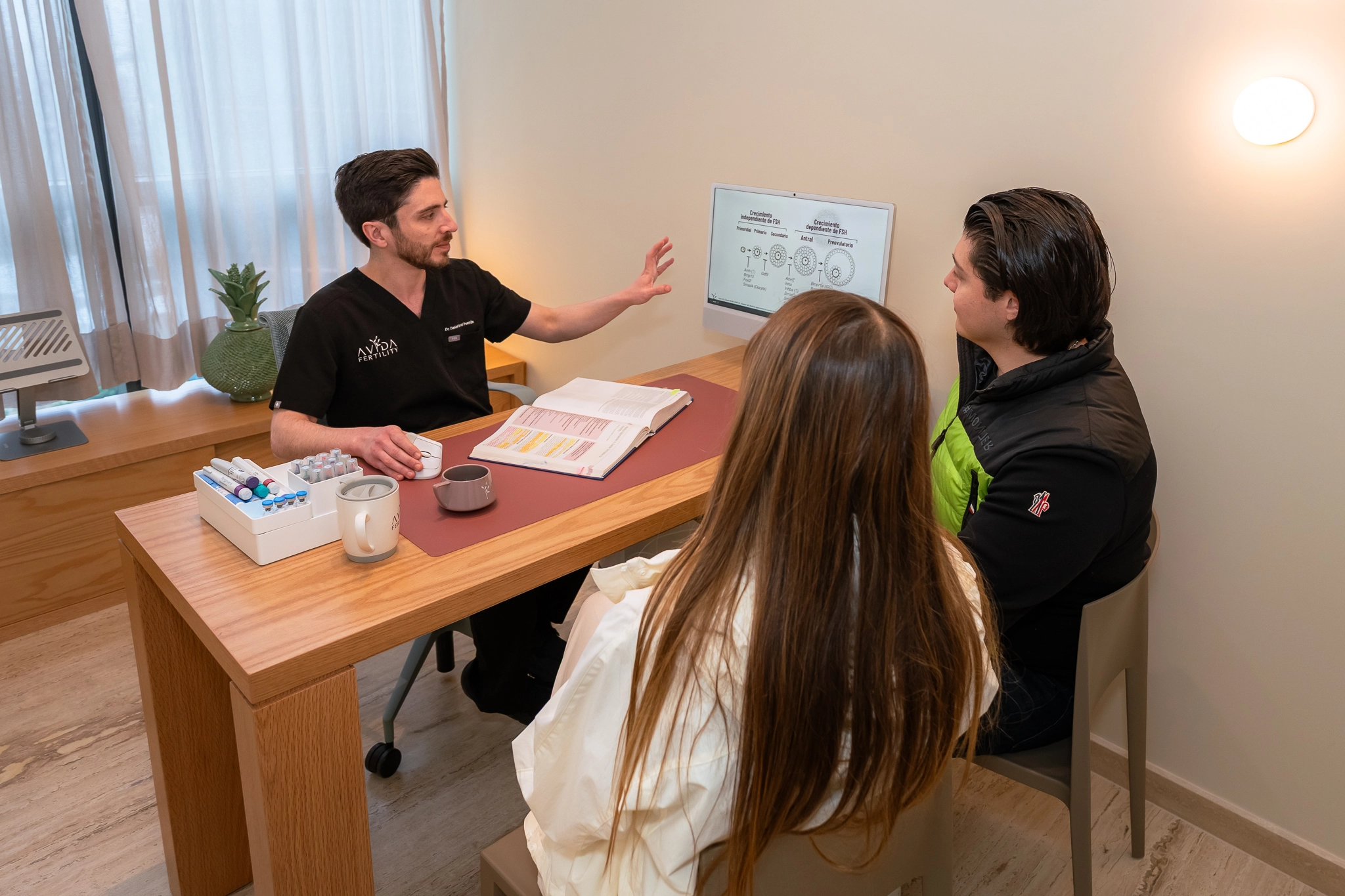
Your age and ovarian reserve are the biggest driver of total cost, because they determine how many cycles you need to reach an adequate number of eggs. Before your protocol is set, your medical team evaluates you with a hormone panel, an ultrasound follicle count and basic infectious-disease screening.
According to Goldman et al. (2017), a 75% chance of at least one live birth generally requires around 10 eggs at age 34, 20 at 37 and 61 at 42. The younger you freeze, the fewer eggs and cycles you typically need for the same goal.
Your protocol may be standard or customized, depending on your reserve and the medication dose you need. Elective and urgent freezing also differ. Elective freezing is planned and lets you choose the point in your cycle, with a conventional stimulation protocol. Urgent freezing responds to a medical indication, such as a cancer diagnosis, and sometimes uses a random-start protocol that begins at any point in your cycle. Both paths are clinically valid; what changes is the timing and, in some cases, the medication schedule.
The market range for stimulation medications in Mexico is $15,000 to $60,000 MXN (about $900–$3,500 USD), and it is one of the components that varies most between patients. It depends on your AMH (anti-Müllerian hormone, a marker of your ovarian reserve) and your follicle count: a lower reserve generally requires a higher dose, which raises the medication bill.
After age 36 or 37, it becomes more common for your medical team to recommend more than one cycle to reach the number of eggs appropriate for your age. If your first cycle does not reach the expected number, your team may propose an additional cycle; that is a normal part of the process, not a sign that something went wrong. Thinking about the cost of the whole process, not just a single cycle, gives you a more realistic picture before you decide when to start.
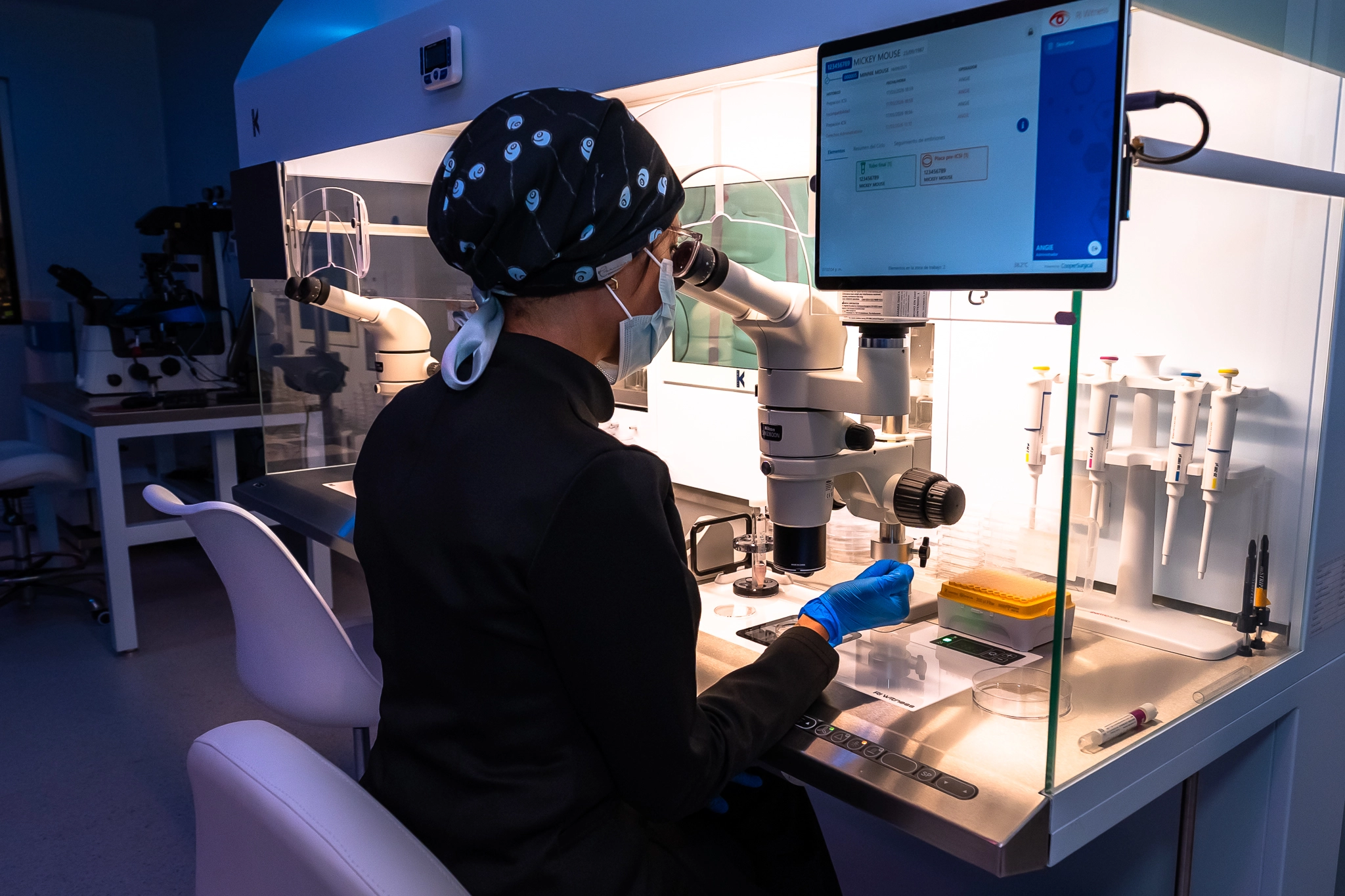
A lab with electronic witnessing, such as RI Witness, the system Avida uses, is an increasingly common quality standard among fertility clinics, though not exclusive to any one clinic. Having an in-house lab, rather than shipping samples to a third party, also affects the quality and traceability of your process.
Storage from the second year onward is billed separately from the base procedure, with a market range of $5,000 to $10,000 MXN per year (about $300–$600 USD). At Avida Fertility, the first year is included. Ask from the start how long-term storage is billed, especially if you plan to keep your eggs for several years.
If, after weighing these factors, you see that egg freezing is not the only path for your case, your medical team can walk you through other fertility treatments available.
International context
Freezing your eggs in Mexico can save you an estimated 46% to 64% compared with a base cycle in the United States. The price difference does not mean a different clinical protocol when you choose an accredited clinic.
Mexico · base cycle
$3,500 — $5,300 USD
$60,000 — $90,000 MXN
Consultation, monitoring, retrieval, vitrification · approx. 10 to 14-day stay
United States
$9,900 USD
same base cycle
Consultation, monitoring, retrieval, vitrification · no stay needed (local patient)
The procedure is outpatient and performed under sedation, so most international patients plan a 10-to-14-day stay in the city, between the start of stimulation and the retrieval.
Ask too whether the clinic offers English-speaking medical staff for your consultations and monitoring: clear communication matters as much as clinical quality when you are managing care from abroad.
If you are coming from abroad, verify before choosing a clinic that the facility is registered and in good standing with COFEPRIS, that the responsible physician is listed in Mexico's national professional registry, and that the cryopreservation lab is enrolled with Mexico's national transplant registry. The Medical Tourism Association describes accreditation efforts across Latin America focused on this kind of transparency for medical travelers.
The right time
Specialists generally recommend considering egg freezing while your ovarian reserve is still favorable, ideally before age 35. The ASRM Ethics Committee (2023) supports elective egg freezing as a medically valid option for preserving future fertility. There is no strict age cutoff, but outcomes vary by clinical profile, so an individual evaluation matters more than a birthday.
According to Mesen et al. (2015), the best value for cost comes from freezing before 37, with the highest success probability between 25 and 34.
Acting early can lower your total cost, because fewer cycles are usually needed to reach the number of eggs recommended for your age.
Not sure if this is the right time for your case? A female fertility evaluation gives you clarity before you commit to any treatment.
A clear, itemized breakdown
In consultation, the question about cost is almost always a question about trust. A clear, itemized breakdown, with nothing left for later, does more to ease your mind than any single number. That is why this guide explains what you pay for at each stage.
Free · An advisor will contact you during business hours
Care for every family
At Avida Fertility, we treat patients across every family model, without assuming you are arriving as part of a couple or that your situation matches anyone else's.
If you don't have a partner right now, or you are not yet sure you want to be a mother, egg freezing lets you keep that option open for later without deciding today.
If US pricing has put egg freezing out of reach, traveling to Mexico gives you access to the same protocol, the same vitrification standard and the same lab quality, at a fraction of the cost.
Egg freezing can also be a first step within reciprocal IVF (the ROPA method), where one partner provides the eggs and the other carries the pregnancy. Each couple receives a plan built around their family-building goals, with judgment-free care.
If you have decided to pursue parenthood on your own, egg freezing lets you move forward on your own timeline, without outside pressure, while you decide when and how to continue your treatment.
If time already feels tight, freezing sooner rather than later, and making the most of each cycle with the right protocol, matters more than waiting for a perfect moment.
If you are facing cancer treatment, urgent egg freezing can start quickly, sometimes with a random-start protocol, so you can protect your future fertility while coordinating with your oncology team.
Before starting gender-affirming hormone therapy, egg freezing is an option to preserve future fertility. The clinical process is the same, with care that is sensitive to your identity and your timeline.
Quality vs. price
Not every fertility clinic offers the same thing at the same price. What actually affects your outcome is the facility's current authorizations, the technology in the lab and the training of the medical team responsible for your case. Avida Fertility operates under the standards of the Latin American Network of Assisted Reproduction (REDLARA) and the American Society for Reproductive Medicine (ASRM), in addition to its current COFEPRIS operating notice.
SART tells US patients to start by checking clinic credentials and reporting practices before comparing price, and the same logic applies abroad. An extra cycle caused by insufficient results at a cheaper clinic usually costs more, in money and in time, than investing in quality from the start.
If your case calls for a different route, you can also learn about in vitro fertilization (IVF) or artificial insemination (IUI) as alternatives or complements, based on what your medical team recommends.
Does the physician hold a specialty credential in reproductive biology?
Is the lab in-house or outsourced?
What technology do they use for monitoring and vitrification?
FAQ
About the price
The 2026 market range for the base procedure is $60,000 to $90,000 MXN (about $3,500–$5,300 USD), not including medications or pre-cycle testing. With them, the full process runs up to $155,000 MXN (about $9,100 USD). Your final price depends on your age, ovarian reserve and protocol.
A complete procedure includes the consultation, monitoring, retrieval, lab processing, vitrification and first-year storage, which is included at Avida Fertility. Medications, additional testing, future thawing and transfer, and storage from year two onward are billed separately.
From the second year onward, storage runs $5,000 to $10,000 MXN per year in Mexico (about $300–$600 USD), compared with around $600 USD in the US. At Avida Fertility, the first year is included.
Usually yes, even after flights and a 10-to-14-day stay, because the procedure cost gap is large enough to absorb typical travel expenses. To avoid hidden costs anywhere, ask for a full itemized quote, including third-party fees, before you book.
About the process
According to Torra-Massana et al. (2023), a study of more than 41,000 eggs, storing vitrified eggs for up to eight years does not affect survival, fertilization, pregnancy or live birth rates.
No. Many international patients coordinate early monitoring with their home provider and travel to Mexico for the active stimulation window and the retrieval, typically 10 to 14 days in total.
No. Egg freezing improves your future odds, but it does not guarantee a pregnancy. Your outcome depends on the number and quality of eggs retrieved, your age at freezing and the treatment you use afterward.
Inclusivity
Yes. Avida Fertility treats patients across every family model, including single women, LGBTQ+ couples, and trans and non-binary patients preserving fertility before transition. See the patient profiles section above.
The next step is getting to know your case
If you have been considering egg freezing and are not sure where to start, an AMH ovarian reserve test is a good first step to understand where you stand. It is also worth seeking guidance if you have a family history of early menopause, a diagnosis that could affect your future fertility, or you simply want clarity before deciding.
If you have questions about which treatment fits your case, a consultation at Avida Fertility gives you a clear diagnosis with no obligation.
Every treatment at Avida Fertility is designed around your individual diagnosis, not a standard protocol.
Medical notice: This content is informational and educational. It does not replace a personalized medical consultation. Price ranges are market references, are not Avida Fertility's prices or fees, and may vary by case. Fertility treatment outcomes vary by patient. Consult an Avida Fertility specialist to evaluate your individual case.